





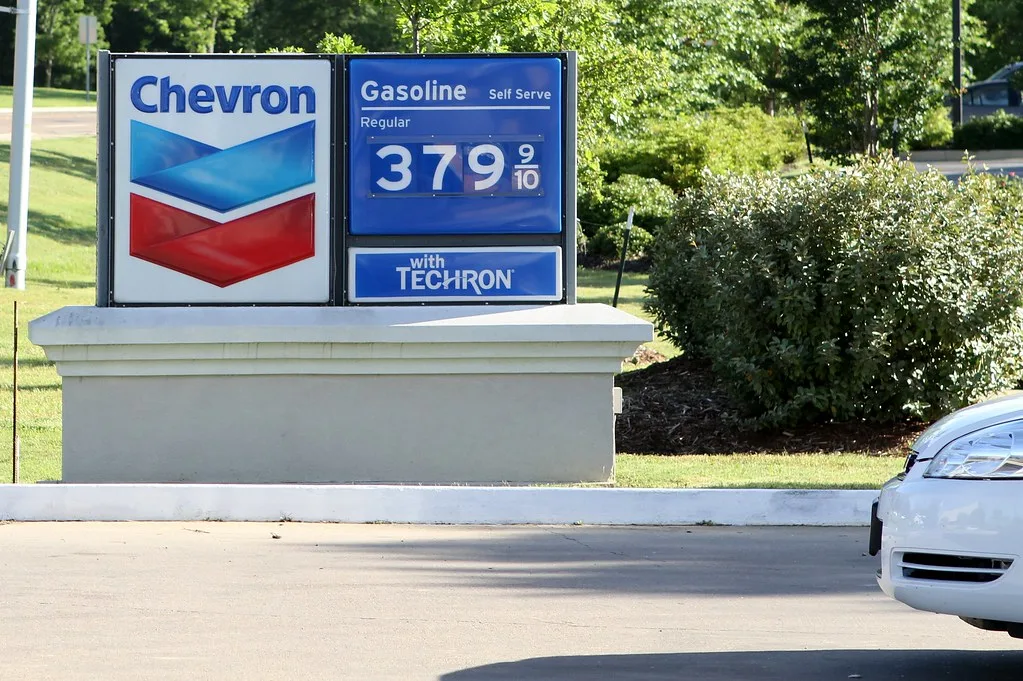
Surging Pump Costs Impact Holiday Travel
As the Memorial Day weekend approaches, American motorists are facing the highest gasoline prices in four years, with the national average reaching $4.55 per gallon as of May 22. The American Automobile Association (AAA) reports that this figure represents a $1.36 increase compared to the same period last year, driven primarily by a prolonged fuel supply shortage stemming from the closure of the Strait of Hormuz.
The Geopolitical Impact on Domestic Fuel
The Strait of Hormuz serves as a critical maritime chokepoint, through which a significant portion of the world’s oil supply flows daily. Recent disruptions in this region have triggered immediate volatility in global crude oil markets, directly impacting domestic refining and distribution costs. With global supply chains already strained, the inability to move oil through this vital corridor has created a bottleneck that is forcing retail fuel prices toward levels not seen since the 2020 holiday season.
Market Dynamics and Consumer Demand
Despite the steep increase in costs, consumer demand for gasoline remains robust as millions of Americans prepare for the unofficial start of the summer travel season. Industry analysts suggest that the combination of high demand and constrained supply creates a “perfect storm” for price escalation. While the national average of $4.55 is currently slightly below the $4.61 mark observed during the 2020 Memorial Day weekend, the upward trajectory of prices shows little sign of deceleration.
Expert Projections for the Summer Season
AAA spokespeople emphasize that the current market environment is highly sensitive to external geopolitical developments. “With gasoline demand on the rise and the prolonged closure of the Strait of Hormuz, pump prices are likely to remain elevated as the summer travel season gets underway,” the organization stated in a recent release. Data from the Energy Information Administration suggests that if the supply chain disruption persists, price pressure may extend well into the third quarter of the year, potentially altering travel patterns for vacationers.
Economic Implications and Future Outlook
The sustained increase in fuel costs poses a significant challenge for household budgets, as higher gas prices often have a cascading effect on the cost of goods and services. For the transportation and logistics sectors, these costs are frequently passed down to the consumer, contributing to broader inflationary pressures. As the industry moves forward, observers will be closely monitoring the status of the Strait of Hormuz and potential government interventions aimed at stabilizing domestic fuel reserves. Whether these elevated costs will lead to a decrease in long-distance road travel remains the primary metric to watch as the summer unfolds.