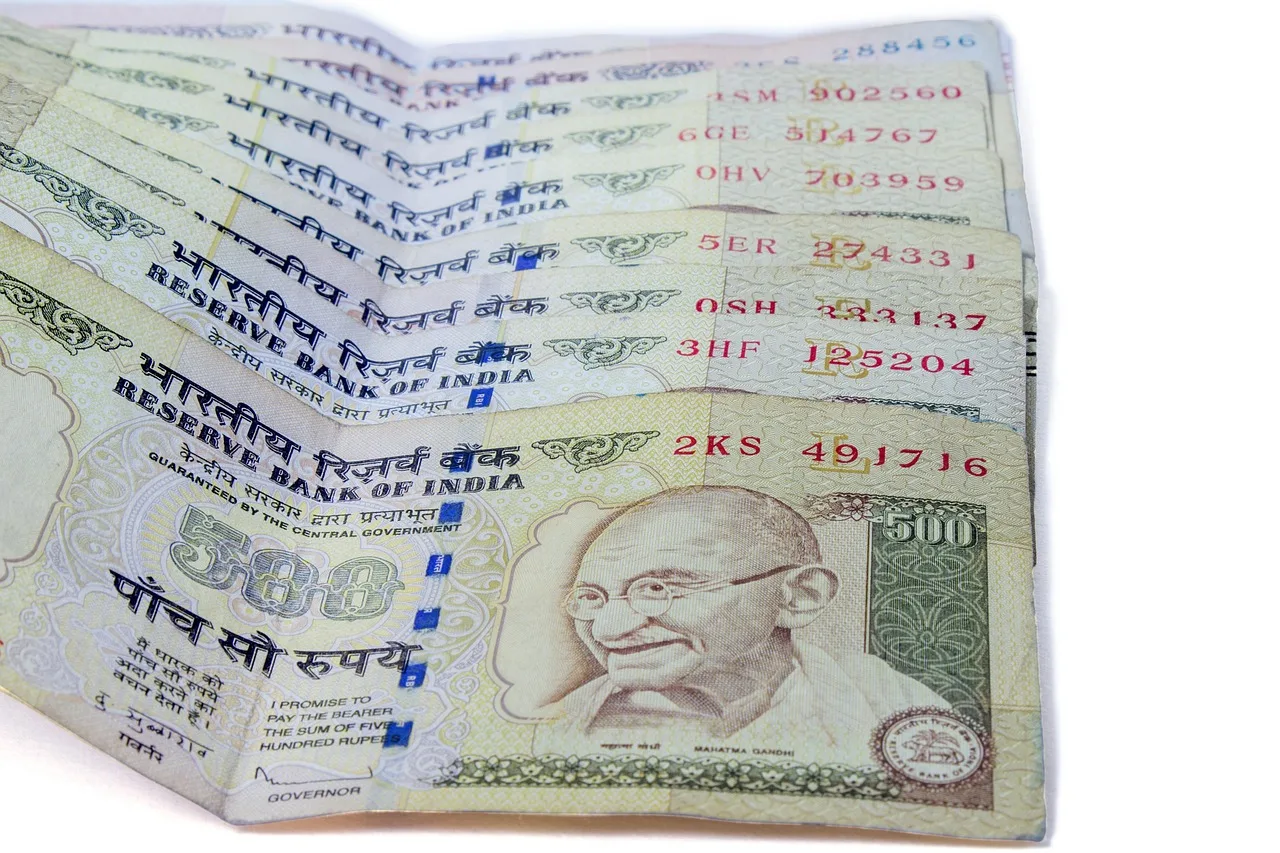






India’s foreign exchange markets are bracing for heightened volatility as economists warn that the Indian Rupee could slide to ₹90 against the US Dollar following the Trump administration’s decision to impose a 50% tariff on Indian exports. The move, which took effect on August 27, 2025, has triggered concerns over trade imbalances, capital outflows, and inflationary pressures, prompting speculation that the Reserve Bank of India (RBI) may step in with targeted interventions to stabilize the currency.
The tariffs—among the steepest ever levied on India—are linked to Washington’s accusations that New Delhi’s continued purchase of Russian crude oil is indirectly financing Moscow’s war efforts in Ukraine. With over 55% of India’s exports to the US now facing punitive duties, sectors such as textiles, gems, jewellery, chemicals, and furniture are expected to suffer a sharp decline in demand.
🧭 Rupee Under Pressure: Key Drivers of Devaluation Risk
| Factor | Impact on Rupee Value | Severity Level |
|---|---|---|
| US Tariffs on Indian Exports | Trade deficit widening | High |
| Export Revenue Decline | Reduced dollar inflows | High |
| FPI Outflows | Risk-off sentiment among investors | Moderate |
| Crude Oil Imports from Russia | Dollar demand remains elevated | Moderate |
| Global Risk Aversion | Strengthening of USD globally | High |
Economists from SBI, Nomura, and Barclays have revised their year-end Rupee forecasts to ₹88–₹90/USD, citing deteriorating trade terms and weakening investor sentiment.
🔍 RBI’s Possible Intervention Strategy
The RBI is reportedly preparing to meet with industry stakeholders in early September to assess the fallout from the tariff shock. While the central bank has not issued an official statement, sources suggest that forex reserves may be deployed to curb speculative pressure and prevent a disorderly depreciation.
| Intervention Tool | Purpose | Likely Timing |
|---|---|---|
| Dollar Sales via Spot Market | Absorb excess demand for USD | Immediate |
| Forward Contract Adjustments | Smoothen volatility in future trades | Short-term |
| Interest Rate Signaling | Support Rupee via monetary stance | Medium-term |
| Import Duty Tweaks | Reduce dollar outflows on key goods | Policy-led |
India’s forex reserves stood at $620 billion as of August 2025, giving the RBI ample room to act decisively.
📉 Sectoral Impact of Tariffs and Currency Slide
The tariff hike and potential Rupee depreciation could have a cascading effect on India’s export-driven sectors, especially those with low margins and high dollar exposure.
| Sector | Tariff Impact (%) | Rupee Sensitivity | Export Risk Level |
|---|---|---|---|
| Textiles | 50% | High | Severe |
| Gems & Jewellery | 50% | High | Severe |
| Chemicals | 35% | Moderate | High |
| Furniture | 40% | Moderate | High |
| Pharmaceuticals | Exempted | Low | Minimal |
While pharma exports have been spared due to their strategic importance to US healthcare, other sectors are bracing for a 30–70% drop in shipments.
🔥 Trade Balance and Macroeconomic Outlook
India’s trade balance is expected to deteriorate in the coming quarters, with economists projecting a $4–5 billion drop in exports and a 0.3–0.5% hit to GDP growth.
| Indicator | Current Level (Aug 2025) | Projected Impact (Q3 FY26) |
|---|---|---|
| Merchandise Exports | $87 billion | May fall to $50–55 billion |
| Current Account Deficit | 1.2% of GDP | May widen to 2.0–2.3% |
| GDP Growth Forecast | 6.7% | Revised to 6.2–6.4% |
| Inflation Rate (CPI) | 4.6% | May rise to 5.2–5.5% |
The Finance Ministry has already extended cotton import duty exemptions to support textile exporters, and further GST tweaks are expected by Diwali.
🧠 Expert Reactions and Policy Recommendations
| Expert Name | Role | Comment |
|---|---|---|
| Meera Iyer | Currency Strategist | “The Rupee is vulnerable, but RBI has tools to manage the fallout.” |
| Rajiv Bansal | Trade Economist | “India must diversify export markets and reduce dollar dependence.” |
| Dr. Rakesh Sinha | Macroeconomic Analyst | “Tariff retaliation is risky—India should focus on internal reforms.” |
Experts agree that while the tariff shock is significant, India’s macro fundamentals remain strong enough to weather the storm with calibrated policy action.
📦 India’s Strategic Response and Diplomatic Options
India has so far refrained from retaliatory tariffs, opting instead for diplomatic engagement and internal support measures. The Commerce Ministry is exploring trade diversification strategies, including enhanced access to EU, ASEAN, and African markets.
| Strategic Response | Objective | Status / Timeline |
|---|---|---|
| Cotton Duty Exemption | Support textile exporters | Extended till Dec 2025 |
| MSME Credit Support | Protect small exporters | Under review |
| Trade Diversification | Reduce US dependency | Talks with EU, ASEAN ongoing |
| Diplomatic Engagement | Resolve tariff dispute | Bilateral talks expected Sept |
The government is also considering a phased rollout of export-linked incentives to offset tariff losses.
📌 Conclusion
Donald Trump’s 50% tariff shock has rattled India’s trade and currency markets, with economists warning that the Rupee could breach ₹90/USD if corrective measures are delayed. While the RBI is expected to intervene to prevent excessive volatility, the broader challenge lies in recalibrating India’s export strategy and safeguarding macroeconomic stability. As global trade politics grow more unpredictable, India’s resilience will depend on swift policy action, strategic diplomacy, and internal resource mobilization.
—
Disclaimer: This article is based on publicly available news reports and economic commentary as of September 2, 2025. It is intended for informational purposes only and does not constitute financial, legal, or investment advice.