





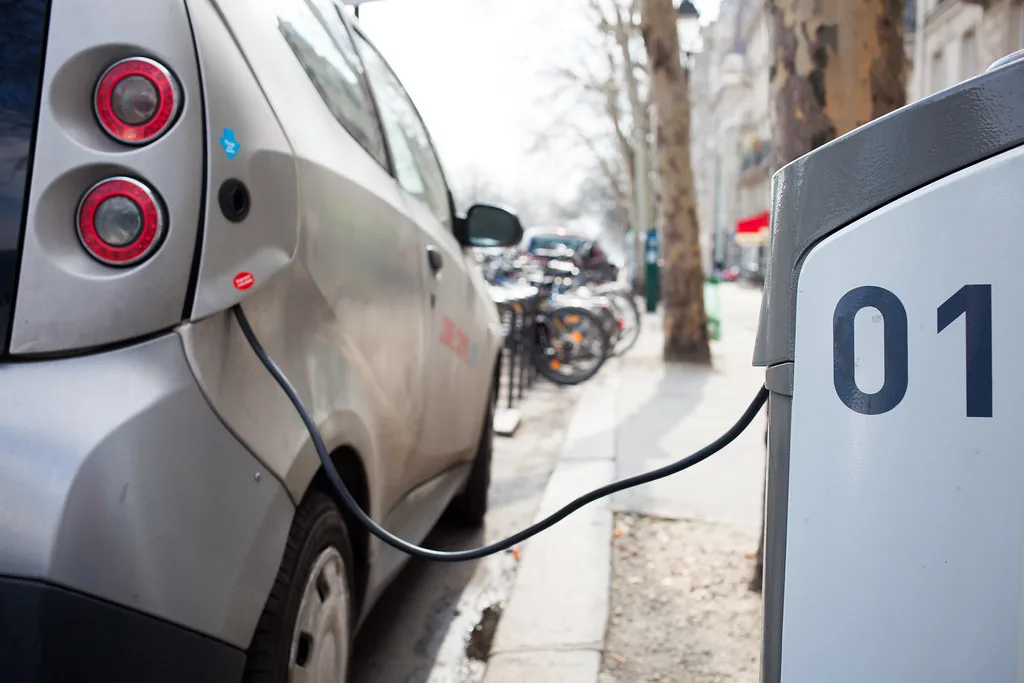
European electric vehicle (EV) registrations surged by 34 percent in April 2026 compared to the previous year, driven by volatile oil prices resulting from ongoing geopolitical instability in the Middle East. Industry data from New Automotive and E-Mobility Europe confirms that 201,986 new EVs hit the roads last month, marking a significant acceleration in the continent’s transition toward sustainable transport.
The Shift Toward Electrification
The transition toward electric mobility has gained momentum as traditional combustion engine vehicles become increasingly expensive to operate. Rising crude oil costs have directly impacted pump prices across Europe, forcing consumers and fleet managers to reconsider their vehicle procurement strategies.
Total sales for the first four months of 2026 reached 741,480 units, reflecting a 31 percent increase over the 564,722 vehicles sold during the same period in 2025. This sustained growth trajectory suggests that the market is moving past early-adopter phases into mainstream adoption.
Industry Perspectives on Market Dynamics
Market experts view these figures as a fundamental change in consumer behavior rather than a temporary reaction to market fluctuations. Gurjeet Grewal, CEO of UK-based Octopus Electric Vehicles, characterized the current surge as an inflection point for the industry.
“This isn’t a blip, it’s an inflection point,” Grewal stated. The shift is supported by improved charging infrastructure and a wider variety of affordable EV models entering the European market, which mitigate the historical barriers of range anxiety and high entry costs.
Broader Economic Implications
The rapid adoption of electric vehicles has significant implications for the European automotive sector and energy policy. As demand for fossil fuels in the transport sector declines, governments are under increased pressure to accelerate the rollout of renewable energy grids to support the rising electricity load.
Automakers are also recalibrating their production lines to keep pace with the surge in interest. Companies that fail to pivot toward electrification are facing declining sales volumes, while those with robust EV lineups are capturing larger market shares in key European hubs like Germany, France, and the United Kingdom.
Future Outlook
Market analysts are now watching for how supply chains will handle the increased demand for lithium-ion battery components. As the European Union continues to tighten emissions standards, the focus will shift toward the longevity of this growth trend and whether infrastructure investment can keep pace with the record-breaking pace of EV registrations.