




National High-Speed Rail Corporation Limited (NHSRCL) officials announced this week the successful completion of a critical 130-metre steel bridge span in Gujarat, marking a significant milestone for India’s inaugural bullet train project. The engineering feat, located along the Mumbai-Ahmedabad High-Speed Rail corridor, represents a key structural advancement in connecting the nation’s high-speed transit network.
Understanding the Engineering Context
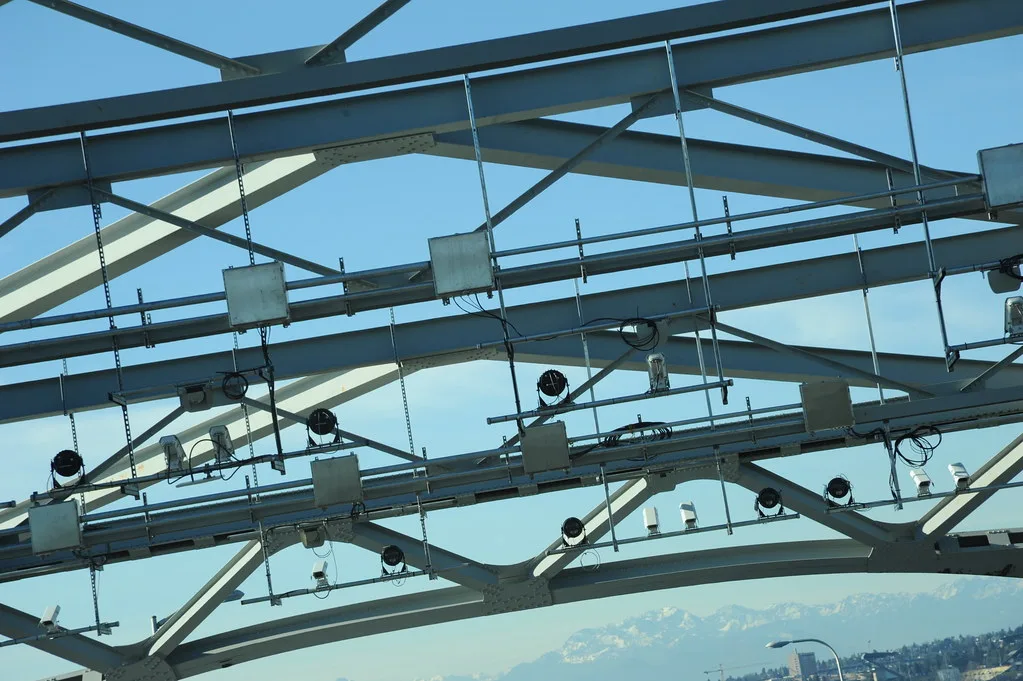
The bridge is constructed as a complex three-span steel structure, featuring a 100-plus-130-metre continuous span alongside a 100-metre simply supported span. These steel bridges are specifically engineered to accommodate the high-velocity requirements of the E5 Series Shinkansen trainsets, which are capable of reaching speeds up to 320 kilometres per hour.
Unlike traditional concrete viaducts, steel bridges are utilized in this project to navigate challenging terrains, including major river crossings and road junctions. The choice of steel provides the necessary structural flexibility and durability required for high-frequency, high-speed rail operations.
Technical Specifications and Execution
The assembly of the 130-metre span required precision engineering, as the steel girders must align perfectly to ensure passenger safety at high velocities. Project authorities confirmed that the installation was completed using heavy-duty cranes and specialized assembly techniques designed to minimize disruption to existing infrastructure.
Data from NHSRCL indicates that the Mumbai-Ahmedabad corridor will feature multiple such steel spans across the 508-kilometre route. Engineers have prioritized seismic resilience in the design, ensuring that the structures can withstand the tectonic activity common in parts of the Gujarat region.
Industry experts emphasize that the successful installation of these spans serves as a proof-of-concept for the viability of large-scale steel infrastructure in India‘s transport sector. According to recent project reports, the integration of these bridges follows strict international safety standards, reflecting a collaboration between Japanese engineering expertise and domestic construction capabilities.
Broader Industry Implications
For the Indian railway sector, the completion of this span signals a transition toward advanced, standardized infrastructure manufacturing. The project has catalyzed the development of domestic steel fabrication facilities capable of meeting the stringent quality controls required for high-speed rail.
Investors and urban planners are monitoring the progress closely, as the bullet train project is expected to significantly reduce travel time between Mumbai and Ahmedabad. By bridging these two economic hubs, the corridor aims to foster greater regional integration and stimulate commercial activity along the rail line.
Moving forward, stakeholders are watching for the upcoming installation of similar spans on the remaining sections of the corridor. The next phase will focus on track laying and the installation of overhead electrification systems, which will determine the timeline for the eventual commissioning of the line. Continuous monitoring of structural integrity and environmental impact assessments will remain the primary focus for authorities as they advance toward the project’s projected operational deadlines.