



Indian tea giant Wagh Bakri is reporting significant disruptions to its export operations, with the company facing a 45-day delay in shipping tea to key Middle Eastern markets due to ongoing geopolitical instability in the Red Sea region. The Ahmedabad-based firm, which exports approximately 2.75 lakh kilograms of tea annually to countries including the UAE, Kuwait, Oman, Qatar, Bahrain, and Saudi Arabia, has warned that these logistical bottlenecks are severely impacting its supply chain efficiency and profitability.
Context of the Supply Chain Crisis
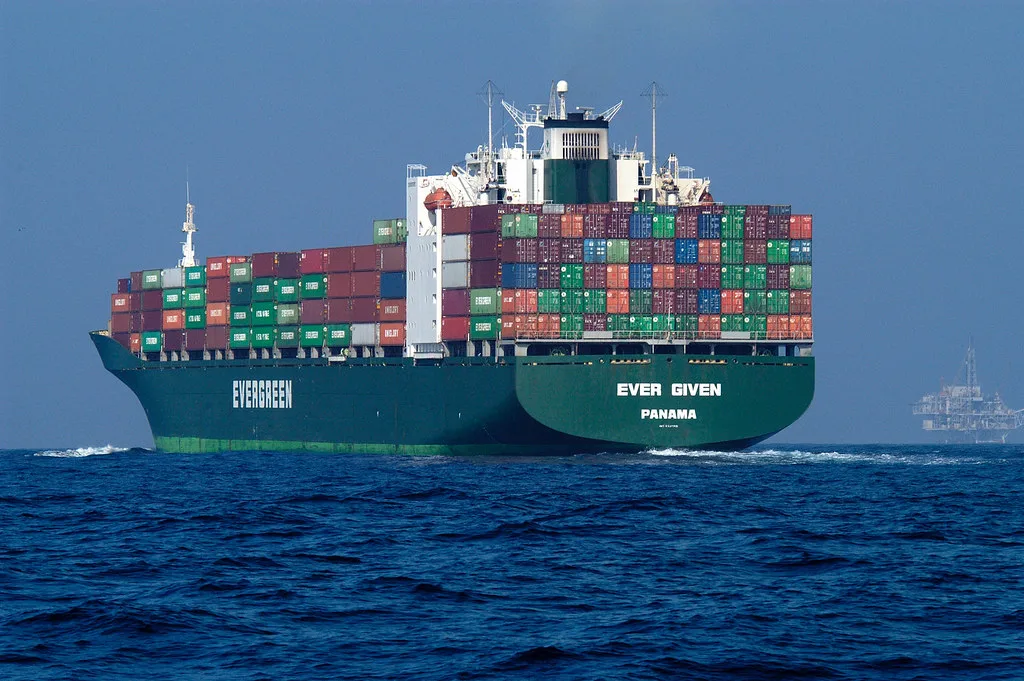
The disruption stems from heightened security risks in the Red Sea, forcing major global shipping lines to reroute vessels around the Cape of Good Hope. This detour adds approximately 3,000 to 4,000 nautical miles to the journey between India and Europe or the Middle East, extending transit times by weeks and significantly inflating operational costs.
For a commodity like tea, which relies on freshness and timely delivery to maintain shelf value, these delays pose a substantial threat. Companies like Wagh Bakri, which have spent decades building a robust distribution network across the Gulf Cooperation Council (GCC) countries, are now struggling to maintain stock levels in foreign retail outlets.
Operational and Financial Impacts
The extended transit duration has created a cascading effect on export cycles. With containers stuck at sea for an additional month and a half, the company faces increased insurance premiums, higher fuel surcharges, and potential stock-outs in overseas markets.
Industry analysts point out that tea exporters are particularly vulnerable because they operate on thin margins. When shipping costs spike due to forced rerouting, the cost of goods sold (COGS) increases disproportionately, often forcing companies to absorb the losses or risk losing market share to competitors from other tea-producing nations that may have shorter or more secure shipping routes.
Expert Perspectives on Global Trade
According to trade logistics experts, the maritime crisis has underscored the fragility of just-in-time delivery models. The Federation of Indian Export Organisations (FIEO) has noted that exporters across various sectors are facing similar hurdles, with freight rates for some routes more than doubling since the onset of the crisis.