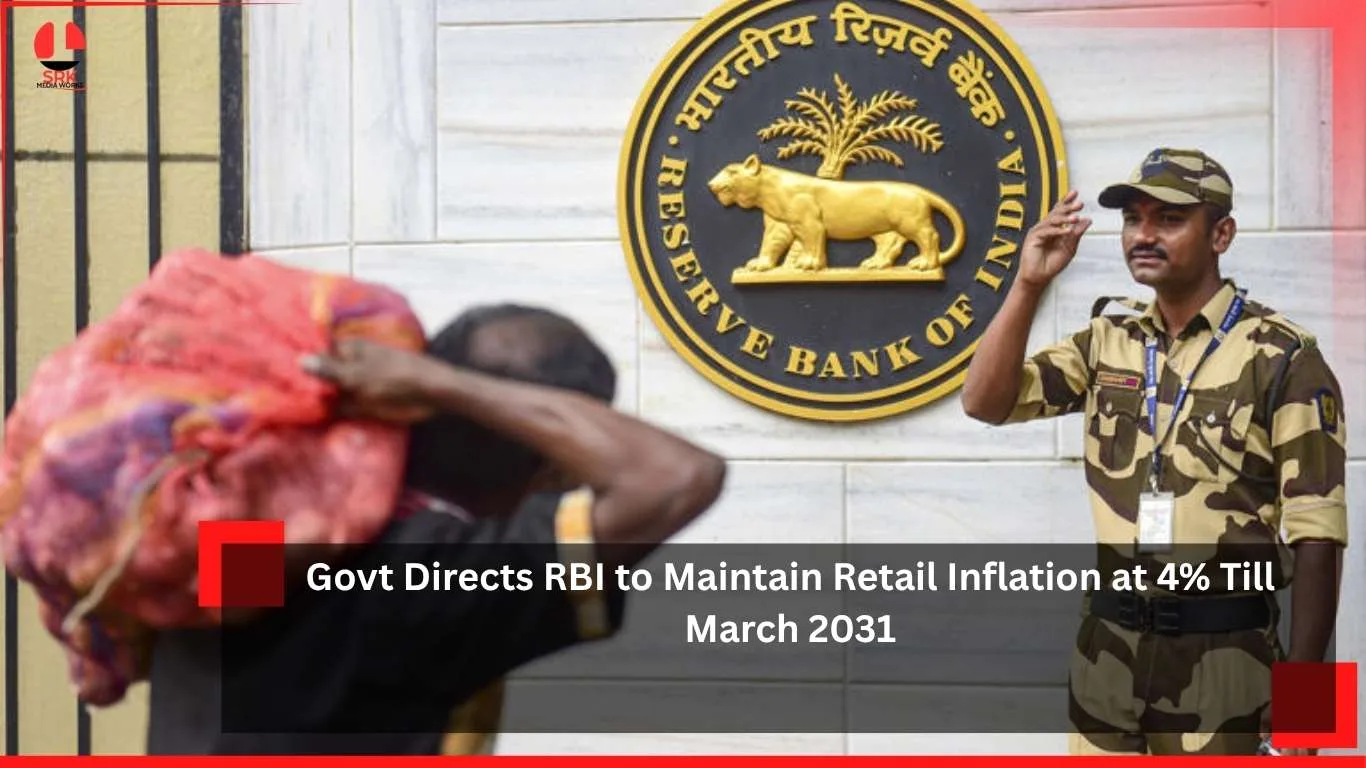




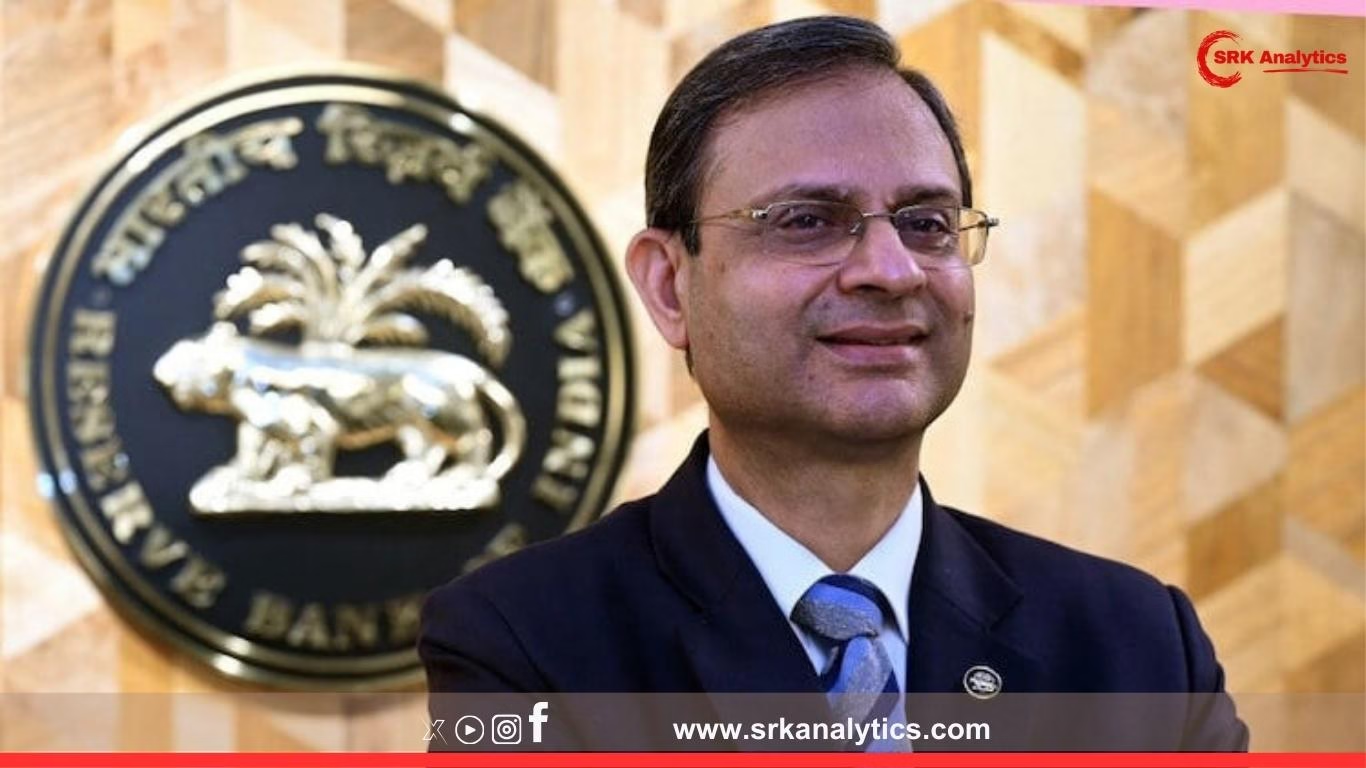
India is bracing for a major economic jolt as the United States’ 50% tariff on Indian exports officially takes effect on August 27, 2025. The move, widely seen as a retaliatory measure against India’s continued purchase of Russian crude oil, has triggered concerns across sectors and prompted a strong response from Reserve Bank of India (RBI) Governor Sanjay Malhotra. Speaking at the FICCI-IBA annual banking conclave in Mumbai, Malhotra assured that the central bank is fully prepared to cushion the blow, stating, “If it so happens, we will not be found wanting in our job”.
The RBI has already taken preemptive steps, including a 100 basis point cut in the repo rate since February and ample liquidity injections into the banking system. Malhotra emphasized that while inflation remains a priority, the central bank has not lost sight of growth amid global uncertainties.
🧭 Timeline of US Tariff Escalation and RBI Response
| Date | Event Description | Impact on India |
|---|---|---|
| April 2025 | US proposes 26% reciprocal tariff | RBI lowers FY26 GDP forecast to 6.5% |
| August 2025 | US announces additional 25% penalty tariff | Total tariff reaches 50% |
| August 25, 2025 | RBI Governor addresses banking conclave | Signals readiness for policy intervention |
| August 27, 2025 | Tariffs take effect | Export sectors brace for disruption |
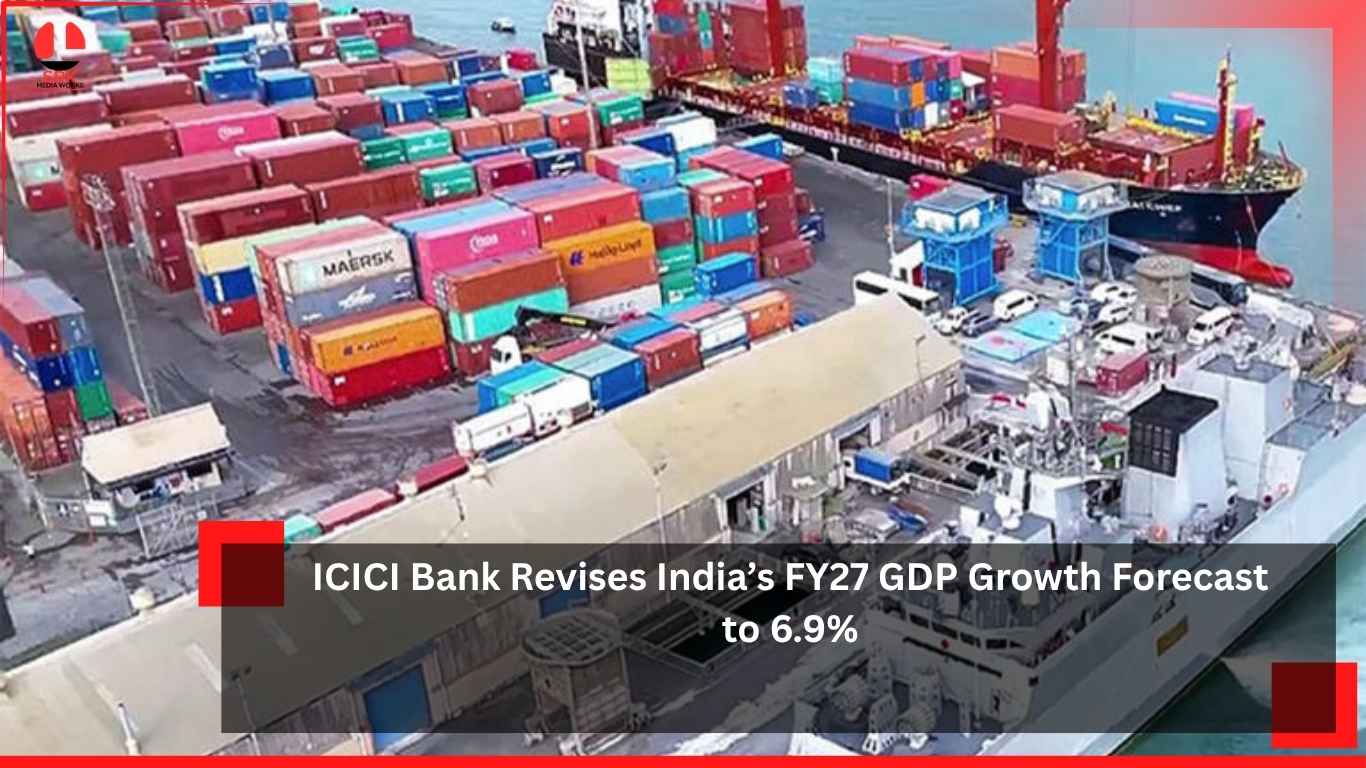
The compounded tariff hike is expected to hit key Indian exports, including gems and jewellery, textiles, apparel, shrimps, and MSME products.
📊 Sectors Most Exposed to US Tariff Shock
| Sector | Annual Export Value (₹ crore) | Tariff Exposure (%) | Risk Level |
|---|---|---|---|
| Gems & Jewellery | ₹3,20,000 | 70% | High |
| Textiles & Apparel | ₹2,10,000 | 65% | High |
| Shrimp & Seafood | ₹45,000 | 80% | High |
| MSME Products | ₹1,50,000 | 60% | Moderate |
| Auto Components | ₹85,000 | 40% | Low |
While the RBI expects the overall macroeconomic impact to be contained, sectoral stress could lead to job losses, supply chain disruptions, and margin compression for exporters.
🔍 RBI’s Policy Toolkit: What’s Already in Play
Governor Malhotra outlined several measures already implemented to support the economy:
- Repo Rate Cuts: Reduced by 100 basis points since February, currently at 5.5%.
- Liquidity Support: Ample liquidity provided to banks and NBFCs.
- Credit Risk Guidelines: Draft norms on expected credit loss to be released soon.
- Basel-III Implementation: Full rollout of market, credit, and operational risk norms by April 2027.
| RBI Measure | Status | Intended Impact |
|---|---|---|
| Repo Rate Reduction | Implemented (Feb–June 2025) | Stimulate credit and investment |
| Liquidity Injection | Ongoing | Support banking sector and MSMEs |
| Credit Risk Guidelines | Draft due soon | Strengthen financial stability |
| Basel-III Norms | April 2027 rollout | Align with global regulatory standards |
Malhotra also emphasized the need to “push the frontiers of growth” amid geopolitical and trade uncertainty.
🧠 Strategic Focus: Internationalisation of the Rupee
In a bid to reduce India’s dependence on volatile foreign exchange markets, the RBI is accelerating efforts to internationalize the rupee. Agreements have already been signed with Maldives, Mauritius, Indonesia, and the UAE to enable trade in local currencies.
| Country Partner | Agreement Status | Trade in INR Initiated |
|---|---|---|
| Maldives | Signed | Yes |
| Mauritius | Signed | Yes |
| Indonesia | Signed | Yes |
| UAE | Signed | Yes |
Malhotra acknowledged that full internationalisation will take years, but stressed its importance in building long-term resilience.
📉 India’s Revised Economic Outlook
The RBI revised India’s FY26 GDP growth forecast to 6.5% in April, citing tariff risks and global headwinds. While inflation is moderating and domestic demand remains strong, the external sector faces pressure from trade disruptions and currency volatility.
| Economic Indicator | Current Value (FY26) | Commentary |
|---|---|---|
| GDP Growth Forecast | 6.5% | Down from 6.7% in January |
| Repo Rate | 5.5% | Unchanged in August review |
| Inflation (CPI) | 4.2% | Within RBI’s target range |
| Forex Reserves | $620 billion | Stable, but under watch |
| Current Account Deficit | 2.1% of GDP | Expected to widen due to tariff impact |
The RBI remains committed to balancing price stability with growth, especially as India eyes its place as the world’s third-largest economy.
🔥 RBI’s Call to Action for Banks and Corporates
Malhotra urged banks and large corporates to “drive the animal spirits” and spark a fresh investment cycle. With strong balance sheets, robust asset quality, and healthy profitability, the financial sector is well-positioned to support growth.
| Financial Sector Metric | Value (2025) | Strategic Implication |
|---|---|---|
| Bank Credit Share | 53% of real economy | Core driver of investment |
| Total RBI-Regulated Credit | 73% of real economy | Includes NBFCs, HFCs, AIFIs |
| Capital Adequacy Ratio | 15.8% | Well above regulatory minimum |
| Liquidity Coverage Ratio | 120% | Strong buffers in place |
Malhotra also pledged reforms to improve board-level governance and streamline credit delivery.
📌 Conclusion
As the US tariff shock lands tomorrow, RBI Governor Sanjay Malhotra’s message is clear: India’s central bank is ready to act decisively. With a robust policy toolkit, strong financial sector fundamentals, and a commitment to growth, the RBI stands as a pillar of stability in turbulent times.
While the impact of the 50% tariff will vary across sectors, the broader economy is expected to weather the storm with coordinated policy support and strategic resilience. As Malhotra put it, “We will not be found wanting”—a statement that now carries the weight of national expectation.
—
Disclaimer: This article is based on publicly available news reports and official statements as of August 26, 2025. It is intended for informational purposes only and does not constitute financial, legal, or investment advice.