


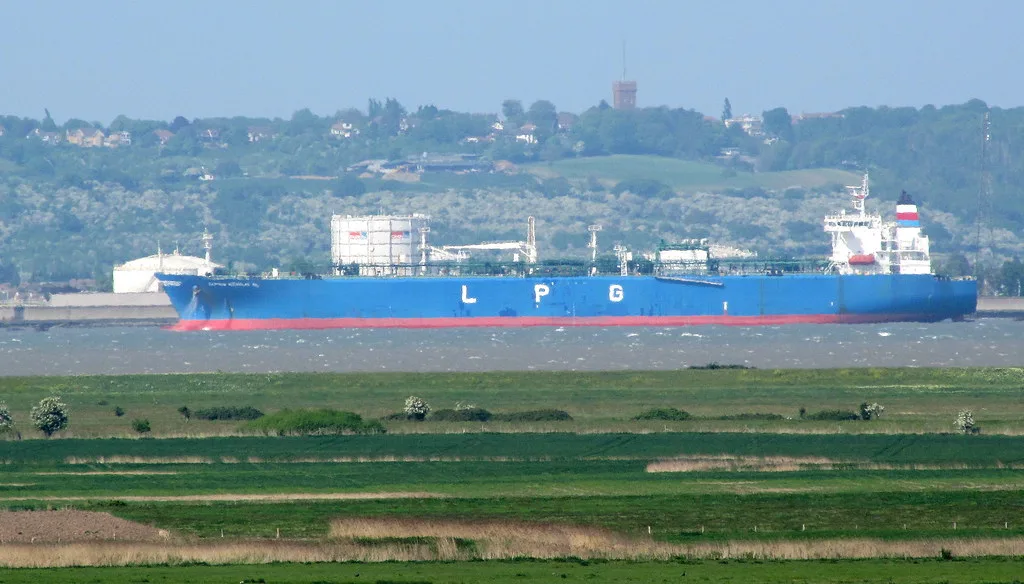
The Marshall Islands-flagged LPG carrier Symi successfully docked at the port of Kandla in Gujarat this week, delivering nearly 20,000 tonnes of fuel after navigating the high-risk Strait of Hormuz. This arrival serves as a vital lifeline for India’s energy sector, which has faced significant logistical hurdles due to the intensifying geopolitical conflict in the Middle East.
The Context of Energy Security
The Strait of Hormuz remains the world’s most critical oil and gas transit chokepoint, facilitating the movement of approximately 20% of global petroleum consumption. Recent escalations in the region have forced shipping companies to reassess routes and security protocols, leading to increased insurance premiums and transit delays.
For India, the world’s third-largest energy consumer, these disruptions carry profound economic weight. Recent government data indicates that the ongoing regional instability has impacted the nation’s crude reserves by nearly 15%, placing immense pressure on domestic refineries to maintain steady output.
Navigating Risk in Volatile Waters
The successful transit of the Symi demonstrates the resilience of maritime supply chains despite elevated threat levels. Shipping experts note that carriers are increasingly utilizing specialized tracking and coordination with naval patrols to navigate the Strait of Hormuz safely.
“The arrival of the Symi is not just a routine delivery; it represents a successful mitigation of systemic risk,” says Dr. Anjali Rao, an energy logistics analyst. “When fuel volumes of this magnitude reach their destination on schedule, it prevents the cascading supply chain disruptions that could otherwise lead to price volatility in the Indian market.”
Economic and Industrial Implications
The reliance on steady LPG imports is critical for India’s transition toward cleaner cooking fuels in rural areas. Any interruption in these shipments directly affects government-led initiatives aimed at reducing dependence on biomass and solid fuels.
Industry data suggests that if transit times through the Middle East continue to fluctuate, India may look to diversify its energy sourcing. This could lead to increased imports from the United States, Australia, or West African nations, fundamentally shifting the geopolitical dynamics of India’s energy procurement strategy.
Future Outlook and Monitoring
Market observers are now closely watching insurance markets to see if premiums for vessels transiting the Strait of Hormuz stabilize or increase further. Additionally, the Indian Ministry of Petroleum and Natural Gas is expected to prioritize the expansion of strategic petroleum reserves to buffer against future maritime transit bottlenecks.
The coming months will test whether the current shipping corridor remains viable for commercial traffic or if regional tensions will necessitate a permanent re-routing of energy fleets. Industry stakeholders are watching for potential shifts in global tanker charter rates as a primary indicator of market confidence in the region.