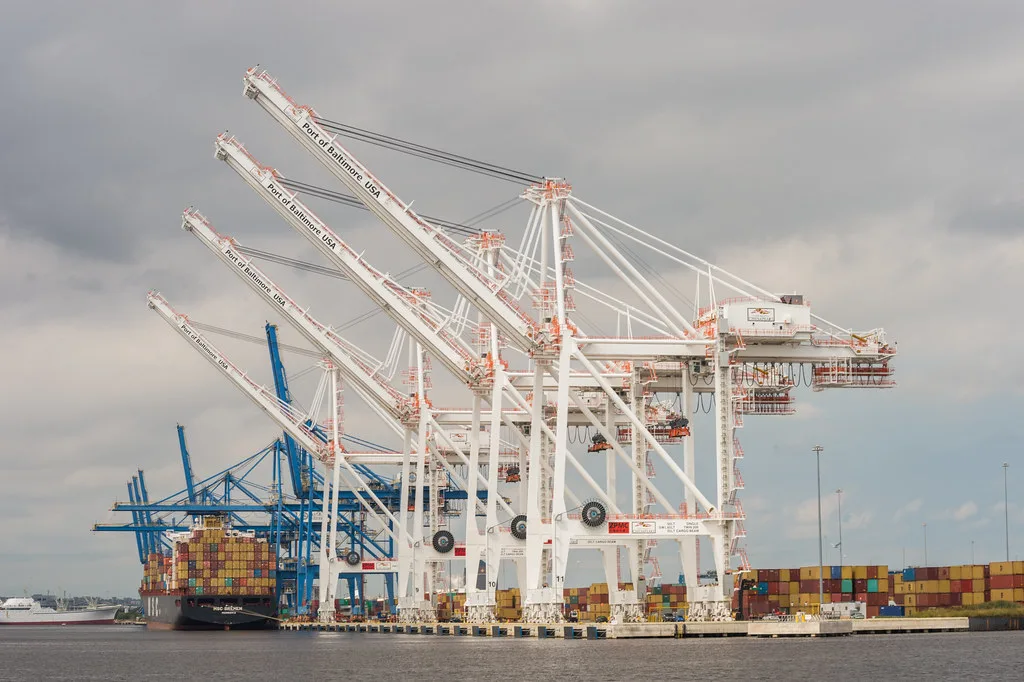





In the fiscal year 2026, North America, Northeast Asia, and Latin America solidified their positions as critical pillars of India’s trade strategy, collectively accounting for more than 35% of the nation’s total export volume. This geographical diversification reflects a deliberate effort by Indian exporters to mitigate traditional market volatility and tap into emerging demand across diverse economic zones. As global trade dynamics fluctuate, these regions have emerged as primary destinations for Indian goods, signaling a significant shift in the country’s export footprint.
Contextualizing India’s Export Diversification
For decades, India’s trade relationships were heavily concentrated in a handful of Western markets. However, recent geopolitical shifts and supply chain reconfigurations have forced a broader strategic approach. The Indian government’s focus on the ‘Make in India’ initiative, coupled with targeted trade agreements, has provided the necessary momentum to penetrate non-traditional markets.
This shift is not merely about volume but about integrating Indian industries into regional value chains. By prioritizing markets in North America, Northeast Asia, and Latin America, India is positioning itself as a reliable alternative hub for manufacturing and service exports. This strategy is designed to insulate the domestic economy from regional downturns in Europe or elsewhere.
Growth in African Markets
Beyond the primary clusters, India is seeing substantial growth in the African continent. Exports to East Africa surged by 13.7% in FY26, reaching a total valuation of $12.6 billion and representing 2.9% of India’s overall export share. Similarly, North Africa recorded a 14.8% increase, bringing its total to $8 billion and maintaining a 1.8% share of the export basket.
These figures highlight the growing importance of the Global South in India’s trade narrative. Analysts suggest that the rising demand for infrastructure, pharmaceuticals, and agricultural machinery in these African sub-regions aligns perfectly with India’s current industrial export capabilities. The sustained double-digit growth in these corridors suggests that long-term investment in these trade routes is yielding measurable financial returns.
Expert Perspectives and Economic Data
Economic analysts point to the stability of these trade partnerships as a key indicator of India’s strengthening global influence. Data suggests that the combination of competitive pricing and improved logistics has allowed Indian exporters to capture market share from established global competitors.
Trade economists emphasize that the geographical spread acts as a hedge against currency fluctuations and trade protectionism. By maintaining a presence in diverse time zones and economic climates, Indian firms are effectively smoothing out the cyclical nature of international trade. This diversification is supported by proactive government policies that incentivize exporters to venture into newer territories.
Industry Implications and Future Outlook
For the average reader and the broader industry, these trends indicate a more resilient Indian economy capable of weathering global shocks. For businesses, this suggests that market expansion strategies should focus heavily on these high-growth regions rather than relying solely on legacy trade partners.
Looking ahead, stakeholders should monitor the sustainability of these growth rates as global interest rates and shipping costs evolve. The next phase of development will likely focus on improving port infrastructure and digital trade facilitation to further lower the cost of exports to these high-potential markets. Continued growth in East and North Africa, combined with the strength of the North American and Northeast Asian corridors, will remain the primary metrics for assessing India’s success in the global trade arena through the remainder of the decade.