




A persistent narrative claiming that producing one litre of ethanol requires 10,000 litres of water has sparked intense debate across India’s agricultural and energy sectors throughout 2024. As the government aggressively pursues its 20% ethanol blending target, policymakers and environmentalists are clashing over the actual sustainability of sugarcane-derived biofuels. This scrutiny comes at a critical juncture, as India seeks to balance its ambitious energy independence goals with the urgent realities of water scarcity in major sugar-producing states like Maharashtra and Uttar Pradesh.
The Anatomy of a Statistic
The 10,000-litre figure, frequently cited in environmental discourse, often conflates gross water consumption with net irrigation requirements. Critics of the ethanol program argue that sugarcane is a notoriously water-intensive crop, requiring consistent hydration that depletes groundwater tables in drought-prone regions. However, industry proponents suggest this metric fails to account for the multiple products derived from the sugarcane plant, including sugar, molasses, and bagasse for electricity generation.
Contextualizing Agricultural Water Use
Sugarcane cultivation in India has long been supported by government subsidies and minimum support prices, incentivizing farmers to prioritize the crop over less water-intensive alternatives. While total water usage per hectare is high, the industry contends that the “water footprint” must be distributed across the entire economic output of the plant. Without this holistic accounting, the narrative of ethanol as a water-guzzler remains a simplified interpretation of a complex agricultural ecosystem.
Expert Perspectives and Data
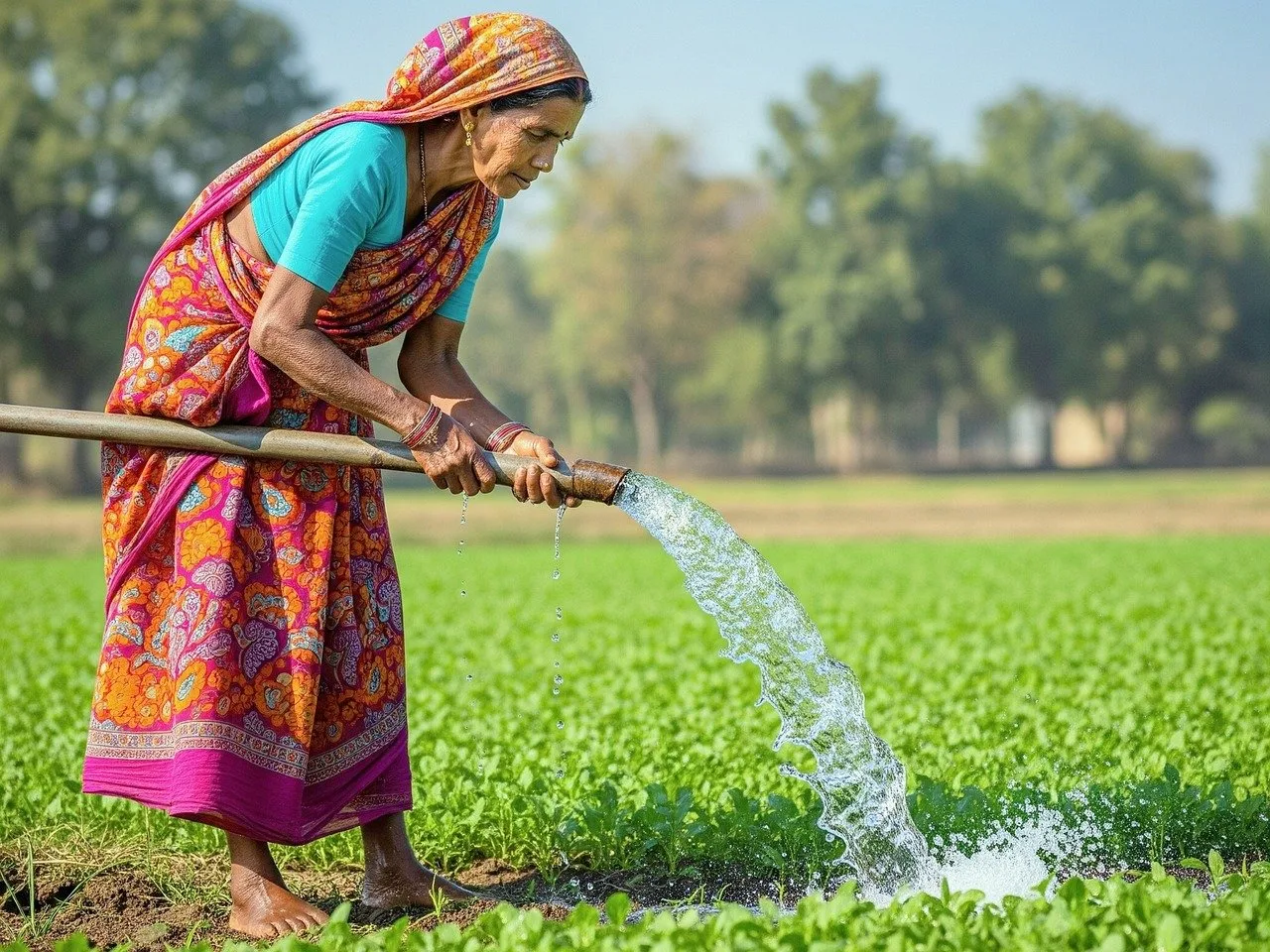
Agricultural economists point out that the actual water footprint varies significantly based on regional irrigation efficiency and climatic conditions. According to recent data from the Indian Council of Agricultural Research (ICAR), the shift toward drip irrigation and sustainable water management practices can reduce the water requirement for sugarcane by up to 40%. Experts emphasize that the problem is not necessarily the crop itself, but the outdated flood-irrigation methods that still dominate large swathes of the Indian landscape.
Implications for the Biofuel Industry
For the energy sector, the debate poses a significant challenge to the branding of ethanol as a “green” fuel. If the water footprint remains high, ethanol may face regulatory hurdles and public pushback, potentially jeopardizing the viability of future blending milestones. Industry leaders are now under pressure to prove that ethanol production contributes to rural prosperity without compromising the long-term viability of local water resources.
Looking Ahead: The Next Phase
The industry must now pivot toward transparency in water accounting to maintain public trust and government support. Stakeholders should watch for new policy mandates regarding water-neutral sugar mills and the potential integration of drought-resistant sugarcane varieties into the national supply chain. As India moves toward its next set of energy targets, the focus will likely shift from pure volume production to the efficiency and environmental cost of every drop used in the process.