





Indian consumers and businesses face an imminent increase in retail fuel prices as a convergence of surging global crude oil costs and a depreciating rupee places unprecedented strain on the nation’s oil marketing companies (OMCs). Industry analysts, speaking on the condition of anonymity, confirmed this week that the current pricing model is becoming unsustainable, signaling that the government and state-run retailers may soon be forced to pass rising costs directly to the pump.
The Anatomy of the Energy Crunch
The current crisis stems from a volatile global energy market where geopolitical tensions have kept Brent crude prices consistently elevated. Simultaneously, the Indian rupee has faced significant downward pressure against the U.S. dollar, effectively increasing the import bill for energy-dependent economies.
Because India imports over 85% of its crude oil requirements, the dual impact of high global prices and a weaker currency creates a compounding effect. OMCs, which have largely absorbed these price fluctuations to maintain market stability in recent months, are now reporting mounting under-recoveries on every liter of petrol and diesel sold.
Economic Ripples and Inflationary Pressures
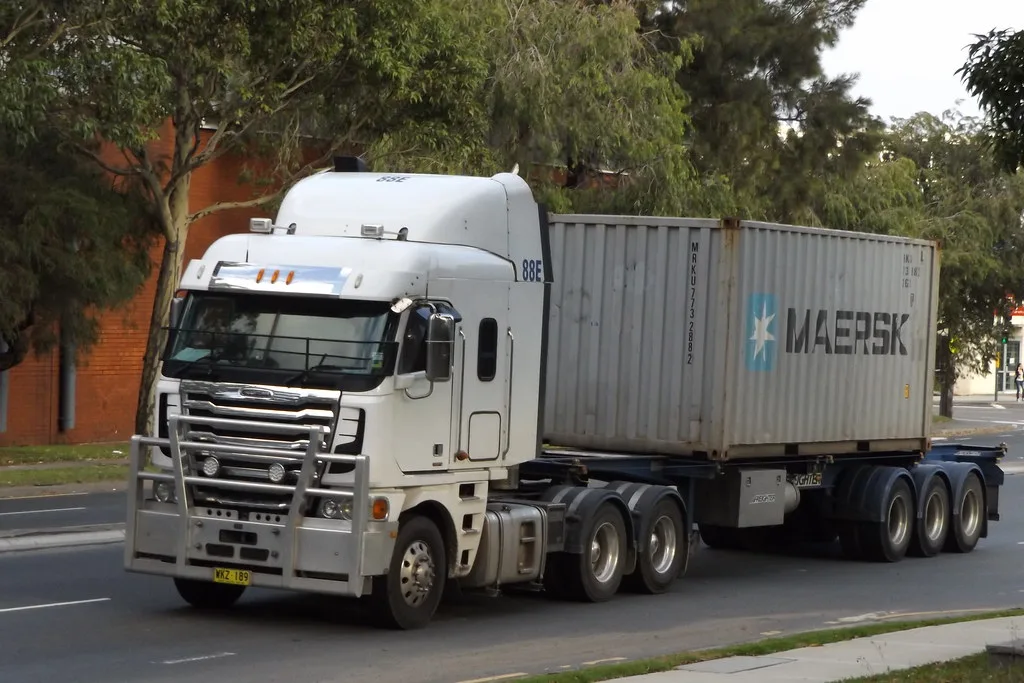
The potential for a retail price hike extends far beyond the gas station, threatening to trigger a broader inflationary cycle. Economists point out that fuel is a foundational cost for logistics, manufacturing, and agricultural transport, meaning that any increase in pump prices is almost immediately reflected in the cost of consumer goods.
According to data from the Reserve Bank of India (RBI), energy costs remain a primary driver of the headline Consumer Price Index (CPI). Should fuel prices rise, the central bank may find its efforts to manage inflation complicated, potentially forcing a more hawkish monetary policy that could dampen economic growth.
Expert Projections and Industry Stance
Energy analysts suggest that the situation is likely to deteriorate before it shows signs of stabilization. “The market is currently pricing in a long-term supply deficit, and the currency volatility shows no signs of abating in the short term,” noted one senior energy strategist.
Data from recent trade reports indicates that while OMCs have attempted to hedge their risks, the sheer magnitude of the price disparity between international benchmarks and domestic retail prices has exhausted traditional fiscal buffers. This leaves the government with a difficult choice: continue to provide subsidies at the cost of the national fiscal deficit or allow retail prices to reflect current market realities.
Future Outlook and Market Monitoring
Looking ahead, industry observers are closely monitoring the upcoming quarterly earnings reports of major oil marketing companies to gauge the extent of their financial distress. Investors should also watch for any potential government intervention, such as excise duty adjustments or strategic reserve releases, which could serve as a temporary stopgap.
As the winter season approaches, global heating demand is expected to put further upward pressure on crude oil benchmarks. The coming quarter will be critical in determining whether the economy can absorb these energy shocks without a significant slowdown in consumer spending or industrial output.