





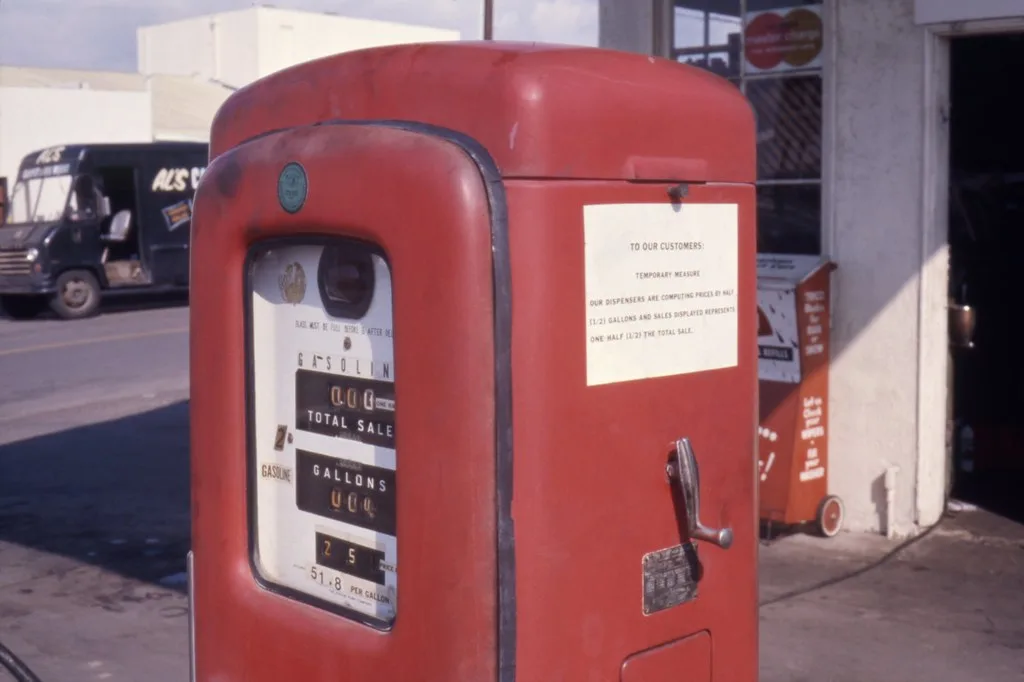
The Price-to-Performance Paradox
Drivers across the United States are increasingly encountering E15—a fuel blend containing 15% ethanol and 85% gasoline—at local service stations as the Environmental Protection Agency (EPA) continues to expand its availability. While E15 typically carries a lower price tag per gallon compared to standard E10, energy experts and automotive engineers warn that the immediate savings at the pump may be offset by a measurable decline in fuel economy. This trade-off between upfront cost and long-term efficiency has become a central point of debate for consumers navigating fluctuating energy markets.
Understanding the Chemistry of Ethanol
To understand the discrepancy, one must look at the chemical properties of ethanol compared to conventional gasoline. Ethanol, derived primarily from corn, contains roughly 33% less energy by volume than pure petroleum-based gasoline. When a fuel blend increases its ethanol content from 10% to 15%, the total energy density of that fuel drops by approximately 1.5% to 2%. Consequently, a vehicle’s engine must consume more of the lower-energy fuel to travel the same distance as it would on a higher-energy blend.
The Math Behind the Savings
Market data suggests that for E15 to be truly cost-effective, the price difference must be significant enough to compensate for the reduction in miles per gallon (MPG). According to the U.S. Department of Energy, if a vehicle experiences a 2% drop in fuel economy, the price of E15 would need to be at least 2% lower than E10 to break even financially. When the price gap is narrower than this margin, the consumer effectively pays more for the total energy required to complete a trip, despite the lower cost per gallon.
Expert Perspectives on Engine Compatibility
The impact of E15 extends beyond simple fuel economy, touching on engine longevity and compatibility. The EPA has approved E15 for use in light-duty vehicles built in 2001 or later, yet many manufacturers advise caution for older models. Automotive engineers note that ethanol’s solvent properties can be abrasive to older fuel system components, including gaskets and hoses not specifically engineered to withstand higher concentrations of alcohol. While modern vehicles are designed to adjust to varying oxygenate levels via their onboard computer systems, the increased combustion heat associated with ethanol can still affect long-term performance metrics.
Economic and Environmental Implications
The push for E15 is largely driven by agricultural policy and the Renewable Fuel Standard, which aims to reduce greenhouse gas emissions by incorporating more biofuels into the national supply. Proponents argue that the environmental benefits and the reduction in reliance on foreign oil justify the widespread implementation of E15. However, critics point to the ‘food versus fuel’ debate, noting that diverting corn crops to ethanol production can influence global commodity pricing. For the individual driver, the decision rests on a personal calculation of whether the environmental contribution or the marginal savings outweigh the frequency of visits to the gas station.
Monitoring the Future of Fuel
As the automotive industry shifts toward electric vehicles, the role of ethanol-blended fuels remains in a state of transition. Consumers should keep a close eye on federal mandates regarding seasonal E15 availability, which has historically been restricted during summer months due to concerns over evaporative emissions. Future developments in fuel-flex technology and potential legislative changes to the Renewable Fuel Standard will likely dictate whether E15 remains a staple of the American fueling experience or a temporary bridge to alternative energy solutions.