




Overview of the Economic Mandate
Prime Minister Narendra Modi has issued a comprehensive seven-point appeal to the citizens of India to foster national economic resilience amid the escalating conflict in West Asia. Following the death of Iranian Supreme Leader Ayatollah Ali Khamenei and the subsequent blockade of the Strait of Hormuz, the global supply chain has faced severe disruptions. Speaking in Secunderabad, the Prime Minister urged a shift toward austerity, requesting that Indians prioritize remote work, reduce fuel consumption, avoid non-essential foreign travel, and limit gold purchases to stabilize the nation’s foreign exchange reserves.
Contextualizing the Global Energy Crisis
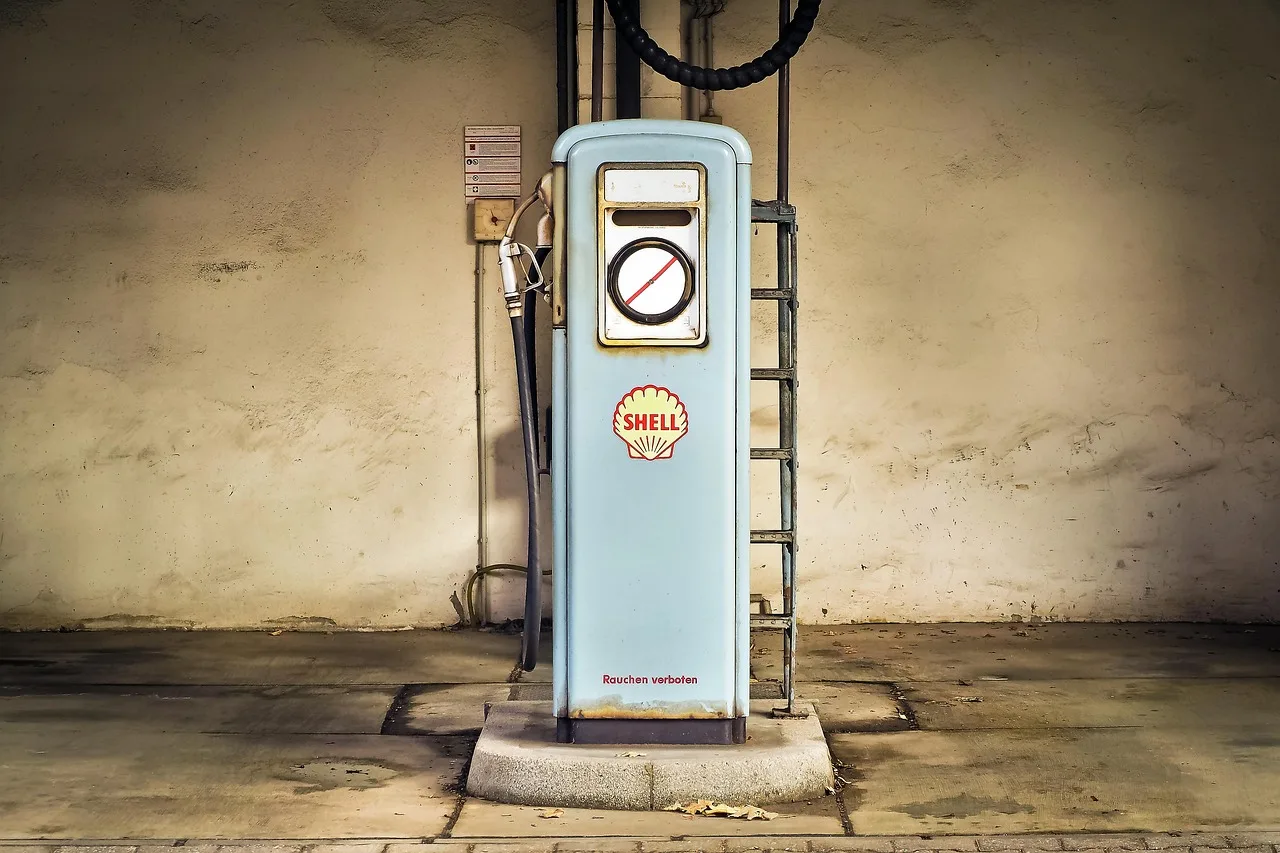
The current geopolitical instability has resulted in the closure of the Strait of Hormuz for over two months, a critical maritime chokepoint through which 20 percent of the world’s oil transits. With India importing approximately 90 percent of its crude oil, the nation faces significant macroeconomic vulnerability as international benchmark Brent crude prices climb toward $120 per barrel. State-run Oil Marketing Companies are currently grappling with monthly under-recoveries of approximately Rs 30,000 crore, creating a precarious fiscal environment that necessitates immediate demand-side intervention.
Strategic Shifts in Consumption
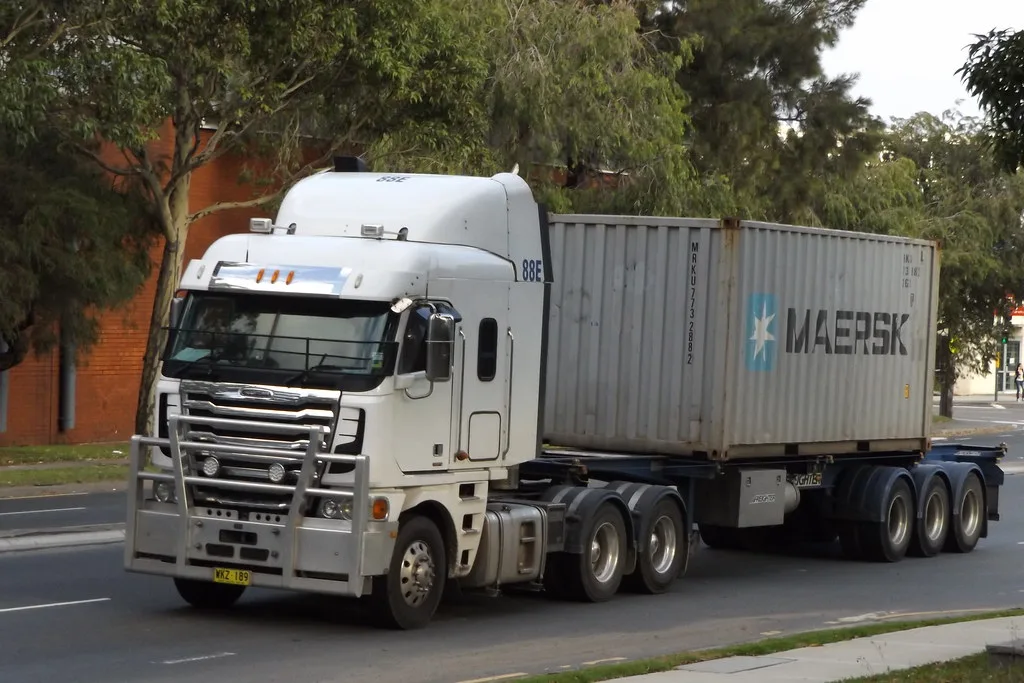
The Prime Minister’s call to action focuses on curbing the outflow of foreign currency to protect the rupee, which has depreciated by nearly 6 percent against the dollar this year. By encouraging the adoption of electric vehicles, public transportation, and rail-based cargo movement, the government aims to reduce the national fuel import bill. Additionally, the appeal to avoid non-essential gold purchases targets the country’s massive trade deficit. According to Bloomberg, India is the world’s second-largest consumer of gold, with annual imports of 600 to 800 tons, a practice that drains billions in foreign reserves annually.
Industry and Lifestyle Implications
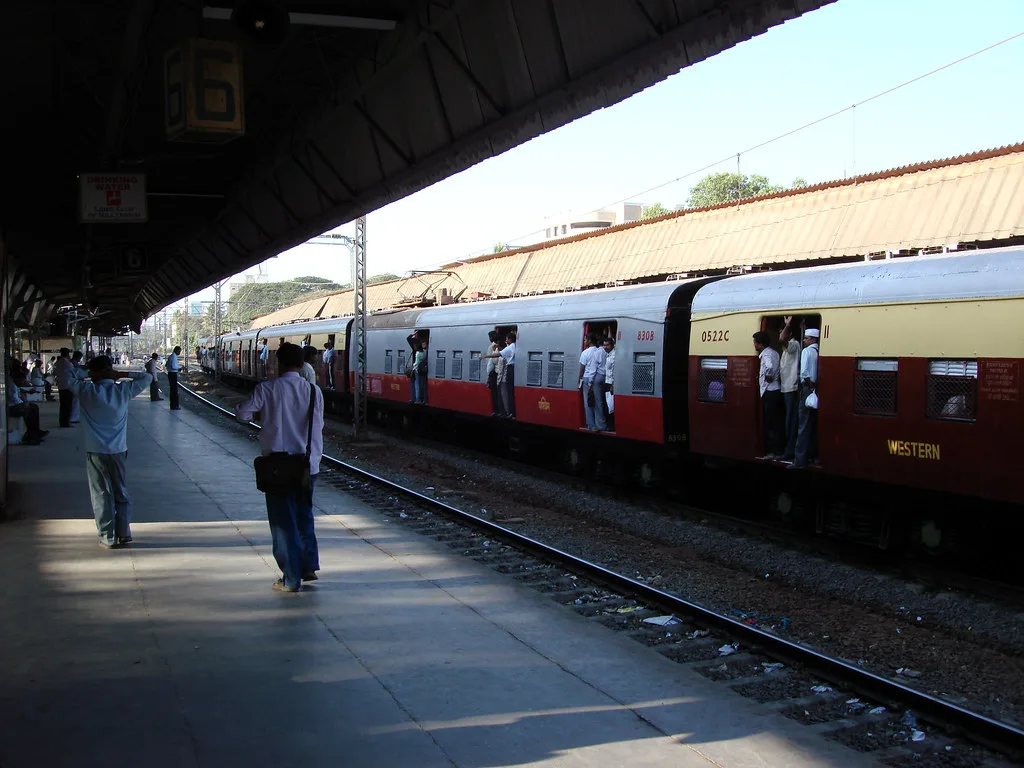
The request to re-adopt work-from-home practices marks a significant shift in corporate and public sector operations. While not driven by a health emergency, the policy is designed to lower energy demand in major urban centers and reduce daily commuting strain. Similarly, the call to postpone foreign travel and destination weddings is aimed at retaining capital within the country. With Indian nationals spending over $31 billion on international travel in the 2023-2024 period, the government seeks to redirect this spending toward domestic sectors, thereby bolstering the ‘Vocal for Local’ initiative.
Agricultural and Domestic Adjustments
Beyond urban consumption, the strategy extends to the agricultural sector, with a mandate to reduce chemical fertilizer dependency by 50 percent in favor of natural farming. The Prime Minister also advocated for the transition to solar-powered irrigation pumps to replace diesel units. These efforts are intended to harmonize personal health with national economic stability, particularly regarding the reduction of edible oil consumption, which remains a significant import commodity.
Future Outlook and Monitoring
As India navigates this period of heightened volatility, market analysts will be closely monitoring the impact of these austerity measures on the current-account deficit. The success of this strategy will depend on the public’s voluntary adoption of these lifestyle shifts and the sustained stability of the rupee. Observers should watch for upcoming fiscal data to determine if these conservation efforts successfully alleviate the pressure on India’s foreign reserves and provide the necessary cushion against prolonged energy price inflation.