




Despite the looming threat of steep tariffs imposed by the United States, Russia has assured that its trade with India will remain unaffected, thanks to what officials describe as a “very special mechanism” designed to bypass Western sanctions and maintain uninterrupted bilateral commerce. The announcement comes in the wake of the Trump-Putin summit in Alaska, which ended without a formal agreement on Ukraine but triggered a wave of economic countermeasures from Washington—including a proposed 50% tariff on Indian goods linked to Russian oil imports.
India, which has emerged as one of the largest buyers of discounted Russian crude since 2022, now faces pressure from the US to scale back its energy ties with Moscow. However, Russian officials have dismissed the impact of these tariffs, citing alternative payment systems, trade routes, and diplomatic coordination with New Delhi.
🧭 Russia’s ‘Very Special Mechanism’: What It Means
According to senior officials from the Russian embassy in New Delhi, the “very special mechanism” involves a combination of:
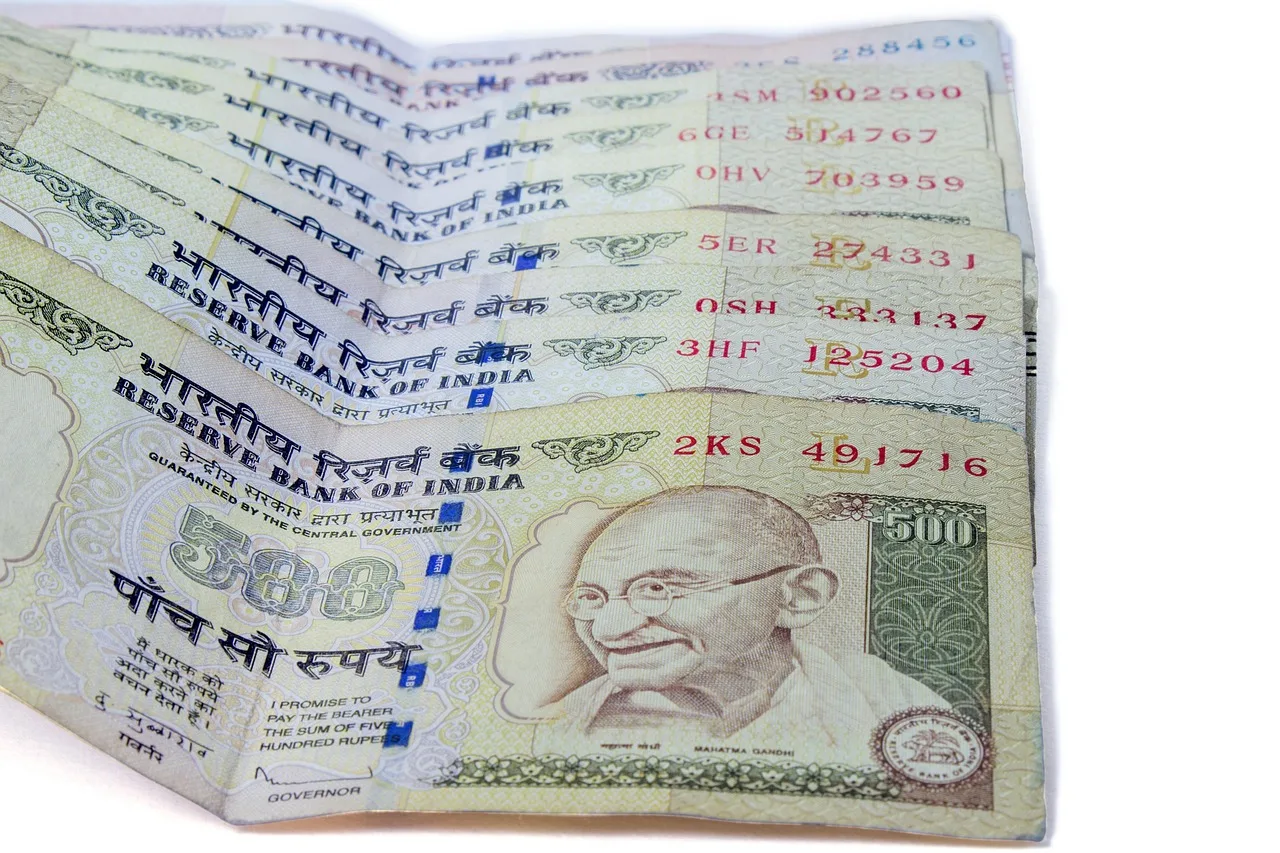
- Non-dollar payment systems: Settlements in rupees, rubles, and other regional currencies
- Direct shipping corridors: Bypassing Western-controlled ports and logistics hubs
- Preferential pricing: Continued discounts on Russian crude for Indian refiners
- Trade redirection: Increased imports of Indian goods into Russia to offset US market losses
| Mechanism Component | Description | Strategic Benefit |
|---|---|---|
| Currency Diversification | Use of rupee-ruble trade | Avoids SWIFT and dollar-based sanctions |
| Logistics Realignment | Direct shipping via Iran and Central Asia | Reduces exposure to Western ports |
| Discounted Pricing | ~5% discount on Russian crude for India | Maintains energy affordability |
| Market Substitution | Indian exports redirected to Russia | Mitigates US tariff impact |
Russian officials emphasized that India “matters very much” to Moscow and that the bilateral trade relationship is being fortified to withstand external pressures.
📉 Trump’s Tariff Threat: What’s at Stake
US President Donald Trump’s proposed 50% tariff on Indian goods tied to Russian oil imports is part of a broader strategy to isolate Moscow economically and discourage its allies from financing the Ukraine war. The tariffs are expected to take effect on August 27, 2025, unless negotiations yield a reversal.
| Tariff Type | Targeted Goods | Impact on India-US Trade |
|---|---|---|
| 25% Tariff (Existing) | Crude-linked exports | Moderate disruption |
| 50% Tariff (Proposed) | Broader Indian exports | Severe cost escalation |
| Penalty Clauses | Repeat imports from Russia | Trade friction, compliance burden |
Trump has hinted that he may “think about it in two weeks or three weeks,” leaving room for diplomatic maneuvering.
🛢️ India’s Energy Calculus: Why Russian Oil Still Wins
India’s energy security strategy hinges on affordability and diversification. Russian crude, offered at a 5–10% discount compared to Brent, remains a lucrative option for Indian refiners. Despite US pressure, India has continued to import millions of barrels per month, citing national interest and competitive pricing.
| Crude Source | Price Advantage | Monthly Import Volume | Strategic Value |
|---|---|---|---|
| Russia | 5–10% cheaper | ~1.2 million barrels | High |
| Middle East | Standard pricing | ~900,000 barrels | Moderate |
| US | Premium pricing | ~300,000 barrels | Low |
Indian officials have reiterated that there is “no alternative to Russian crude” in terms of cost-effectiveness and supply reliability.
🧠 Expert Opinions: Why the Tariffs May Backfire
Strategic analysts believe that Trump’s tariff strategy could backfire by pushing India closer to Russia and other non-Western trade blocs. With BRICS expanding and alternative payment systems gaining traction, India may find new avenues to sustain its trade without relying on the US market.
Major General DC Katoch (Retd.) noted:
“India is a strong nation, and we know how to handle these issues. Our relationship with Russia will remain unchanged, despite US concerns over oil and armaments deals”.
📊 Russia-India Trade Snapshot
| Trade Metric | FY24 Value | FY25 Projection |
|---|---|---|
| Bilateral Trade Volume | $49 billion | $55 billion |
| Russian Crude Imports | $35 billion | $38 billion |
| Indian Exports to Russia | $14 billion | $17 billion |
| Non-dollar Transactions | 62% of total trade | 75% (target) |
The two countries are also working on expanding trade in defense, pharmaceuticals, agriculture, and digital infrastructure.
🏛️ Upcoming Modi-Putin Summit: Strengthening the Partnership
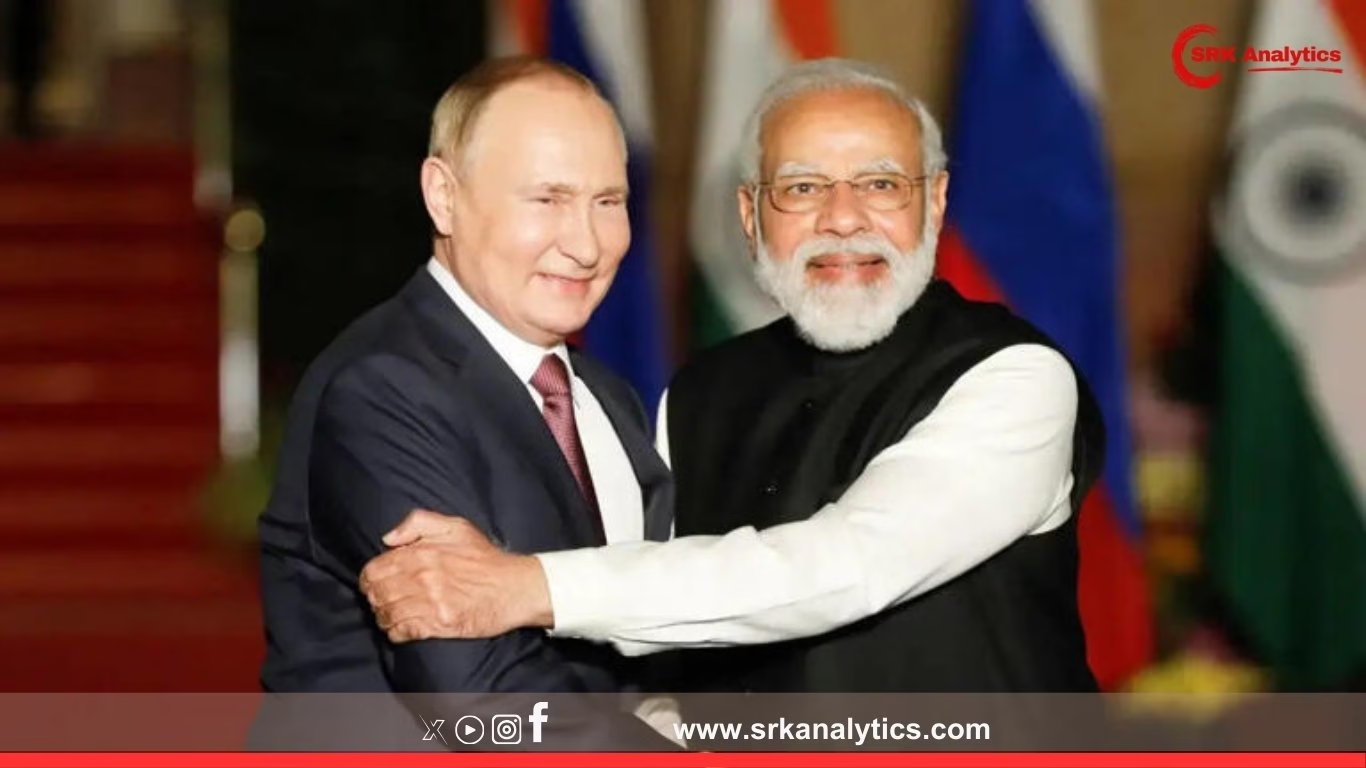
Russian President Vladimir Putin is scheduled to visit New Delhi later this year to meet Prime Minister Narendra Modi and discuss trade expansion, payment system upgrades, and strategic cooperation. The summit is expected to formalize new trade corridors and finalize agreements on rupee-ruble settlements.
| Summit Agenda Item | Expected Outcome |
|---|---|
| Payment System Upgrade | Launch of rupee-ruble clearing mechanism |
| Trade Diversification | Inclusion of pharma, IT, and agriculture |
| Defense Cooperation | New deals on aircraft and naval systems |
| Energy Security | Long-term crude supply contracts |
📌 Conclusion: Why Russia-India Trade Is Tariff-Proof
Despite the geopolitical turbulence and tariff threats from Washington, Russia and India appear well-prepared to insulate their trade relationship. With alternative payment systems, direct shipping routes, and diplomatic coordination, Moscow’s “very special mechanism” offers a robust shield against external economic pressure.
As the global order continues to shift, India’s strategic autonomy and Russia’s economic pragmatism are converging to create a resilient trade partnership—one that may redefine the future of South-South cooperation.
—
Disclaimer: This article is based on publicly available news reports and diplomatic statements as of August 21, 2025. It is intended for informational purposes only and does not constitute financial or policy advice.