




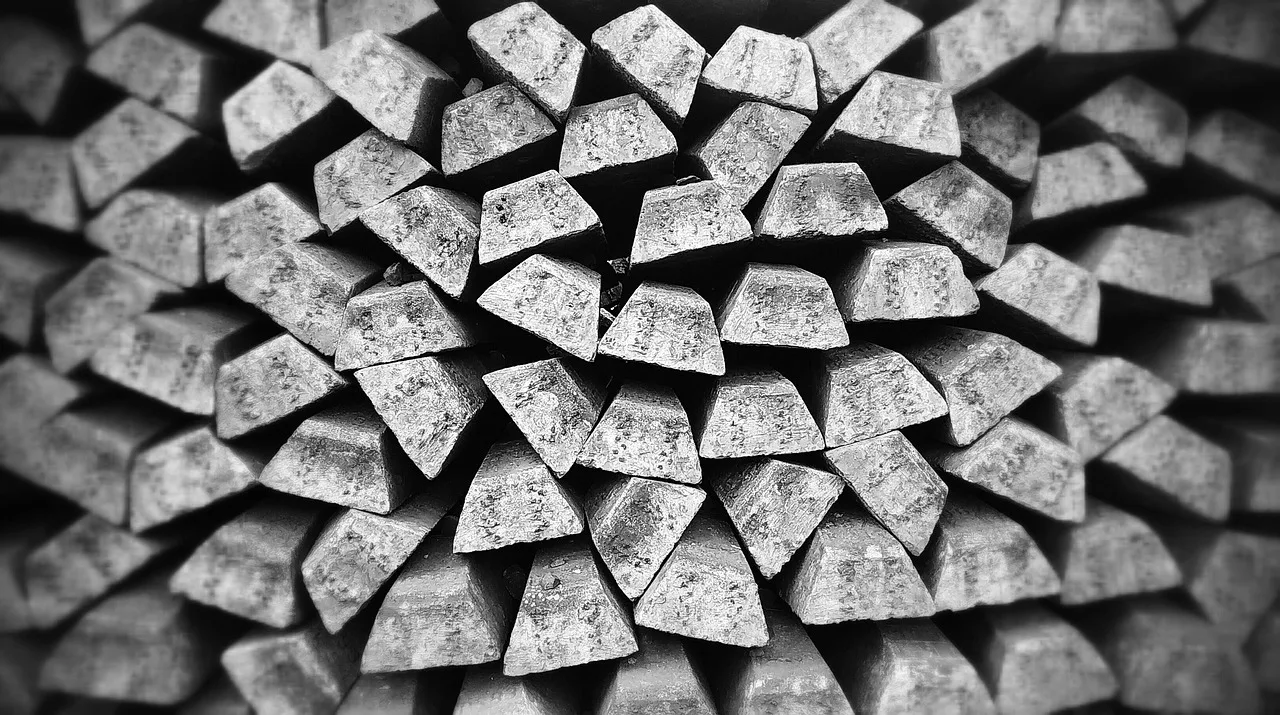
The Indian government has moved to tighten control over precious metal inflows, reclassifying specific categories of silver bars from “Free” to “Restricted” imports effective immediately. The Directorate General of Foreign Trade (DGFT) issued the notification on May 16, requiring importers to obtain specific permits for silver bars containing 99.9% purity or higher. This regulatory shift aims to mitigate the impact of surging import bills on the Indian rupee and address broader economic anxieties stemming from escalating geopolitical tensions in West Asia.
Contextualizing India’s Trade Policy Shift
India remains one of the world’s largest consumers of precious metals, a factor that historically exerts significant pressure on the nation’s trade deficit. Under the previous regime, silver imports were largely unregulated, allowing for a steady flow of bullion into the domestic market. However, the current economic environment, characterized by global market volatility and a strengthening US dollar, has forced policymakers to revisit these liberal import standards.
The DGFT notification, issued under the Foreign Trade (Development and Regulation) Act, 1992, signals a strategic pivot toward protecting foreign exchange reserves. By shifting the import status to “Restricted,” the government gains greater oversight over who is importing these assets and in what volumes, effectively creating a bottleneck that can be adjusted based on the health of the rupee.
Economic Pressures and Geopolitical Drivers
The decision coincides with a period of intense global uncertainty. Geopolitical conflicts in West Asia have catalyzed a “flight to safety” among global investors, driving up the prices of gold and silver. This increased demand for physical bullion has compounded the domestic strain on India’s currency, which has been under notable pressure against the US dollar due to higher crude oil prices and global risk aversion.
Market analysts note that the surge in precious metal imports often acts as a drain on foreign exchange reserves. When the rupee is weak, these massive outflows of capital to pay for imported silver exacerbate the trade deficit. Furthermore, the Indian government has been actively encouraging a transition toward more productive financial instruments, with Prime Minister Narendra Modi recently calling for a reduction in public dependence on gold and silver as primary investment vehicles.
Implications for the Bullion Industry
For the domestic bullion industry, the new permit requirement introduces a layer of bureaucratic complexity that may slow down supply chains. Traders and institutional importers must now align their operations with the strict compliance standards outlined in the ITC (HS) 2022 policy. This could lead to a short-term tightening of domestic supply, potentially impacting local pricing mechanisms for retail and industrial silver.
Industry experts suggest that this move is a proactive measure to prevent speculative hoarding during periods of currency weakness. By controlling the inflow, the government hopes to stabilize the domestic market and discourage the use of silver as a vehicle for capital flight. As the situation in West Asia remains fluid, market participants should watch for further adjustments to trade policy, as the government may continue to utilize import restrictions as a primary lever to manage the macro-economic fallout of global instability.