





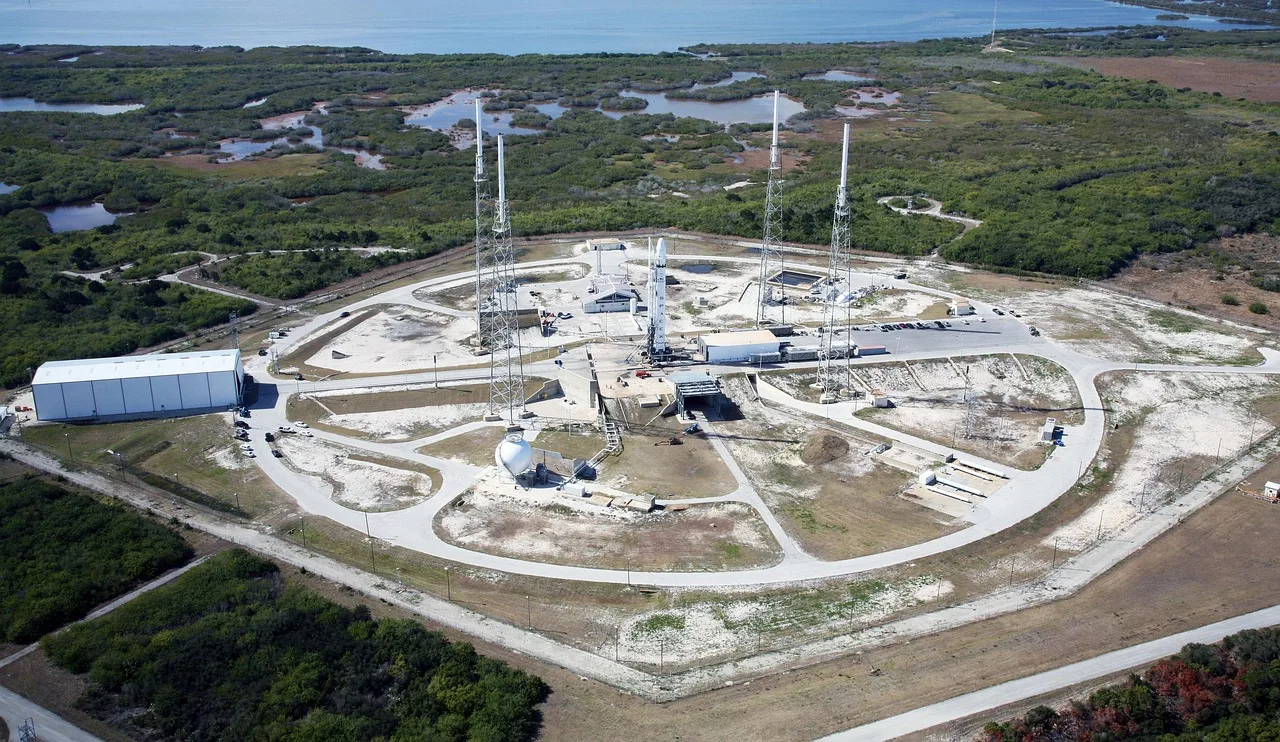
Global investment management giant BlackRock is reportedly in advanced discussions to inject up to $10 billion into SpaceX, a move that would represent one of the largest private capital infusions in the aerospace industry to date. According to industry reports surfacing this week, the deal arrives as Elon Musk’s space exploration firm continues to dominate the commercial satellite launch market and accelerate development of the Starship rocket system from its facilities in Texas.
The Rise of Private Space Capital
SpaceX has long operated as a private entity, relying on a series of funding rounds to fuel its ambitious goal of colonizing Mars and expanding the Starlink satellite internet constellation. As of its most recent valuation, the company reached a market capitalization exceeding $180 billion, placing it among the most valuable private companies globally.
BlackRock’s interest signifies a broader shift in how institutional investors perceive the space sector. Historically, space exploration was the exclusive domain of government agencies like NASA, but the emergence of reusable rocket technology has transformed the industry into a viable, high-growth asset class for private equity and venture firms.
Strategic Implications for Market Dominance
The potential $10 billion investment serves as a critical bridge for SpaceX as it scales its operations. The company currently manages the majority of global satellite launches, effectively creating a monopoly on low-Earth orbit logistics that competitors have struggled to challenge.
Market analysts suggest that this capital will likely be directed toward the operational scaling of the Starship program. Starship is designed to carry significantly larger payloads than the current Falcon 9 fleet, which is essential for the future deployment of next-generation Starlink satellites and potential lunar missions under contract with the U.S. government.
Expert Perspectives on Aerospace Valuation
Financial experts note that while the valuation of SpaceX remains high, the company’s recurring revenue from government contracts and commercial clients provides a level of stability rare in the aerospace sector. According to data from BryceTech, SpaceX accounted for nearly 80% of all mass launched to orbit by commercial entities in 2023.
“Investors are betting on the infrastructure of the future,” says aerospace analyst Sarah Jenkins. “By capturing the majority of the launch market, SpaceX has transitioned from a risky venture-backed startup to an essential utility for global telecommunications and national defense.”
Future Outlook and Industry Trajectory
The involvement of a firm as conservative as BlackRock in a SpaceX funding round fuels persistent speculation regarding a potential Initial Public Offering (IPO). While Elon Musk has historically been hesitant to take SpaceX public, citing the pressures of quarterly earnings, institutional pressure could eventually force a change in strategy.
Industry observers should watch for how this capital injection impacts the competitive landscape, particularly as rivals like Blue Origin and Rocket Lab attempt to close the technological gap. Should the deal close, the focus will shift toward whether the influx of cash accelerates the timeline for Starship’s full orbital readiness and the commercial viability of multi-planetary logistics.