




Supply Disruptions Impact India’s Energy Market
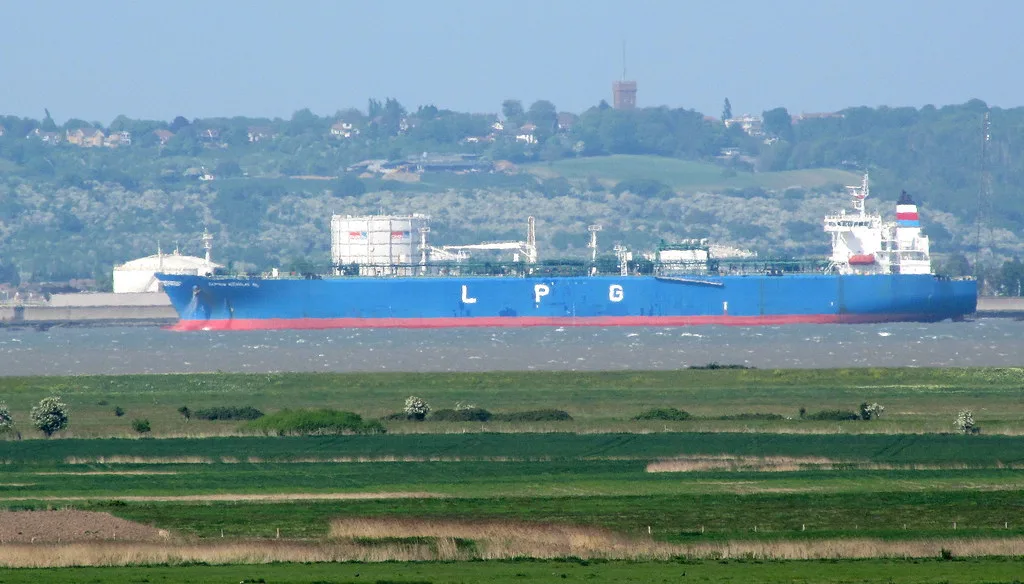
India experienced a significant decline in Liquefied Petroleum Gas (LPG) imports during March and April, facing a supply shortfall of approximately 430,000 barrels per day (kb/d). This disruption, driven by global market volatility and logistical constraints, complicates energy accessibility for millions of residents who rely on the fuel for daily cooking. As a country heavily dependent on imports to meet domestic demand, the sudden reduction has prompted immediate concerns regarding energy security and price stability for the subcontinent.
The Critical Role of LPG in Developing Economies
LPG serves as a foundational energy source for approximately 3.4 billion people across the developing world. In India, government initiatives like the Pradhan Mantri Ujjwala Yojana have successfully expanded LPG access to millions of households, transitioning them away from traditional biomass fuels. This shift has been heralded as a major public health milestone, significantly reducing indoor air pollution and respiratory illnesses. Consequently, any interruption in the supply chain directly threatens the energy transition progress made over the past decade.
Market Volatility and Logistical Challenges
Market analysts point to a confluence of factors, including tightened global supply chains and shifting trade routes, as the primary drivers behind the import slump. The reliance on Middle Eastern and North American suppliers leaves India vulnerable to regional geopolitical tensions and shipping bottlenecks that can materialize with little warning. Industry data indicates that when import volumes drop, the immediate result is a tightening of domestic inventory levels, which can lead to localized shortages and increased spot market procurement costs.
Economic and Social Implications
The shortfall carries profound implications for both the national economy and the average consumer. Rising procurement costs for state-run oil marketing companies often translate into higher retail prices or increased subsidy burdens for the central government. Experts at the International Energy Agency (IEA) have frequently noted that energy affordability remains the single largest barrier to sustained fuel adoption in emerging markets. If supply levels remain depressed, the economic pressure could potentially stall current efforts to convert remaining biomass-reliant households to cleaner LPG solutions.
Future Outlook and Supply Security
Industry observers are now closely monitoring state-led efforts to diversify supply sources and expand domestic storage infrastructure to mitigate future shocks. As the government explores long-term contracts with a broader range of international suppliers, the focus remains on building strategic reserves capable of absorbing short-term market volatility. Market participants will watch for upcoming tender results and inventory reports in the next quarter to determine if supply chains have stabilized or if persistent structural issues will necessitate a more aggressive government intervention in energy procurement policies.