





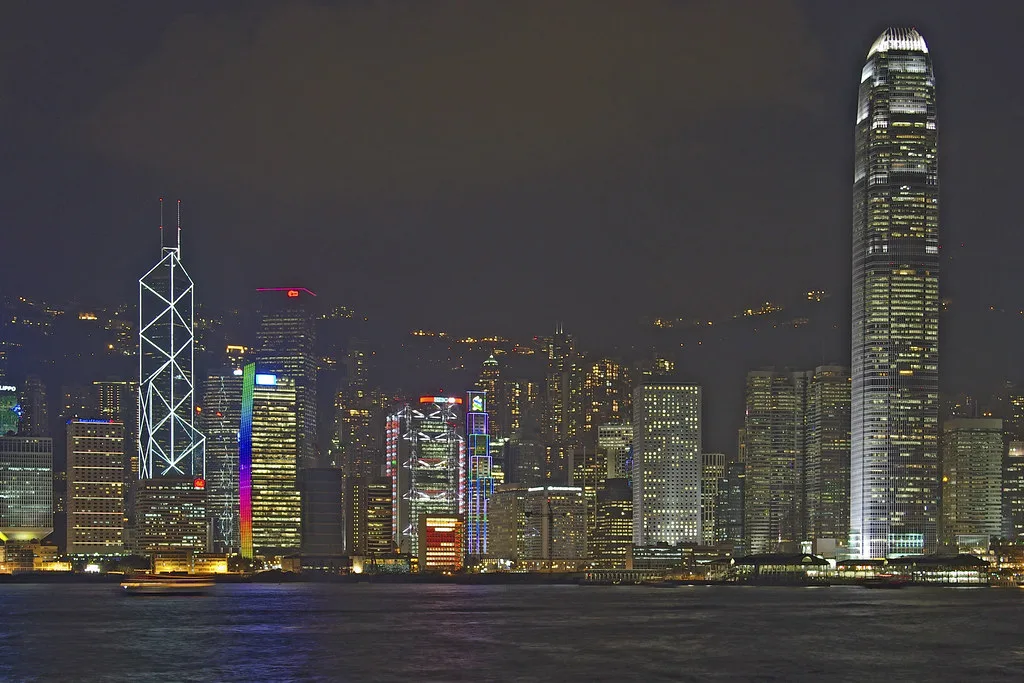
The Intersection of Finance and Sanctions
International regulators and geopolitical analysts are increasingly scrutinizing Hong Kong’s financial infrastructure as a potential conduit for illicit capital flows into Iran. Despite stringent global sanctions regimes, the city’s status as a premier offshore financial hub has drawn criticism from Western officials who argue that its sophisticated banking architecture is being leveraged to bypass international trade restrictions.
The Context of Global Financial Compliance
Hong Kong has long served as a primary gateway for trade between mainland China and the rest of the world. However, the city’s unique regulatory environment and its proximity to major Chinese state-owned enterprises have complicated enforcement efforts regarding United States-led sanctions on Iran. Historically, Iran has utilized complex corporate networks to circumvent oil export bans and financial blacklists, often routing transactions through jurisdictions with opaque ownership disclosure requirements.
The Mechanics of Asset Movement
Financial investigators point to the use of shell companies and front organizations registered in Hong Kong as a primary method for masking the origin of funds. These entities often facilitate trade in petrochemicals and consumer goods, allowing sanctioned Iranian actors to convert oil revenue into usable hard currency. The ease of setting up corporate structures in Hong Kong, combined with the city’s high volume of daily financial transactions, creates a challenging environment for regulatory bodies to track individual illicit transfers.
Expert Perspectives on Regulatory Gaps
According to reports from the Financial Action Task Force (FATF), while Hong Kong maintains a robust legal framework, the rapid evolution of digital assets and shadow banking poses significant risks to regional stability. Experts argue that the current oversight mechanisms are struggling to keep pace with the sophisticated layering techniques employed by sanctioned entities to obscure their financial footprints. Recent data from the Center for a New American Security suggests that the volume of trade-based money laundering involving illicit actors has risen, highlighting a critical need for enhanced transparency in cross-border settlement systems.
Implications for the Global Banking Industry
The potential for Hong Kong to be used as a financial lifeline for Iran creates substantial compliance risks for international banks operating in the region. Global financial institutions are now facing increased pressure to perform enhanced due diligence on clients with ties to the city’s trade sector to avoid the risk of secondary sanctions. This shift is expected to increase the cost of compliance and potentially lead to a decoupling of certain financial services, as firms prioritize risk mitigation over market expansion.
Future Outlook and Regulatory Watch
Looking ahead, industry observers expect more aggressive monitoring from the U.S. Treasury Department’s Office of Foreign Assets Control (OFAC) regarding transactions flowing through Asian hubs. The coming months will likely see a push for greater information-sharing agreements between Hong Kong regulators and international partners to close loopholes in beneficial ownership registries. Market participants should monitor potential legislative updates regarding trade transparency and any new blacklists targeting specific shell companies operating within the city’s jurisdiction.