





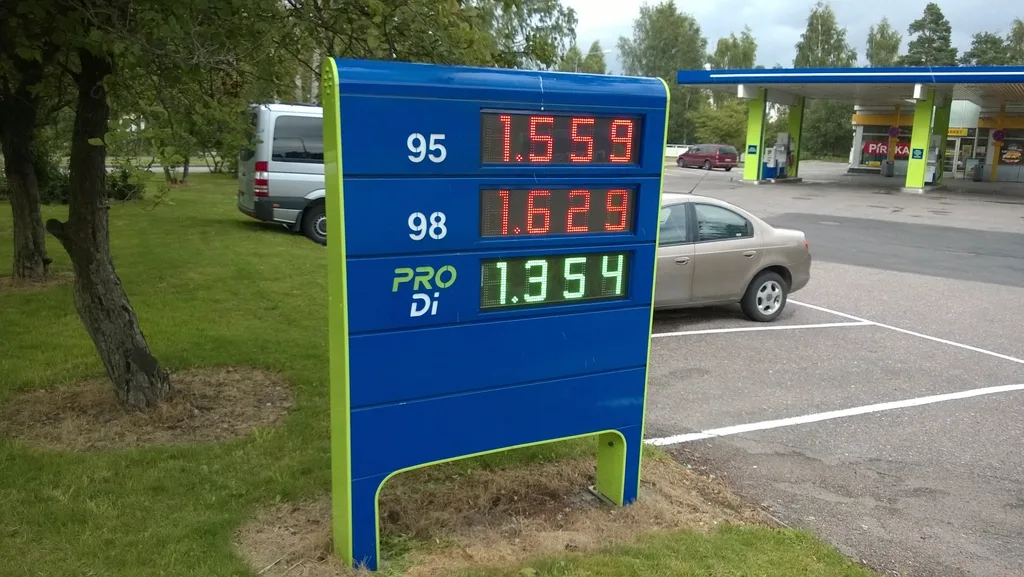
Rising Fuel Costs Ahead of Holiday Travel
As millions of Americans prepare for the upcoming Memorial Day weekend, the national average for regular gasoline has stalled at approximately $4.52 per gallon, according to data released by the American Automobile Association (AAA) on May 14. This marginal uptick follows a brief five-day decline and places fuel costs at levels comparable to the record-setting peaks observed in 2022, marking the highest holiday fuel prices in four years.
The Context of Seasonal Price Volatility
Memorial Day traditionally serves as the unofficial kickoff to the summer driving season, a period historically characterized by increased fuel demand and higher pump prices. The current market environment is heavily influenced by global supply chain constraints and fluctuating crude oil prices, which have kept energy costs elevated despite recent short-term dips. For many households, these prices represent a significant portion of travel budgets as millions prepare for domestic road trips.
Regional Disparities in Fuel Pricing
The burden of current fuel prices is not distributed evenly across the United States. While the national average remains near $4.50, six states—Illinois, Nevada, Alaska, Oregon, Hawaii, and Washington—are currently seeing averages exceeding $5 per gallon. California remains the most expensive market, with prices surpassing $6 per gallon, while drivers in Texas are finding the lowest relief at $3.99 per gallon.
Expert Perspectives on Market Dynamics
Energy analysts suggest that the combination of high demand and refining capacity constraints continues to put upward pressure on prices. The AAA reports that travelers are expected to hit the road in record numbers this year, intensifying the demand side of the equation. This surge in volume, coupled with the seasonal transition to more expensive summer-blend gasoline, creates a challenging environment for motorists looking to manage their travel expenses.
Industry and Consumer Implications
For the average consumer, these prices mean that vacation budgets must be adjusted or travel plans reconsidered. The transportation industry is also feeling the impact, as increased fuel costs often lead to higher freight rates and, eventually, higher consumer prices for goods. As the summer progresses, the reliance on domestic energy production and the stability of global oil markets will remain the primary drivers of cost at the pump.
Looking Ahead
Market observers are now closely monitoring refinery output levels and crude oil inventory data to determine if prices will stabilize or climb further as the summer heat sets in. Travelers should track real-time price fluctuations through mobile apps and consider fuel-efficient route planning to mitigate the impact of these elevated costs. All eyes remain on whether late-season production increases can provide the necessary supply buffer to prevent further price spikes during the peak July and August travel months.