




Russian Foreign Minister Sergey Lavrov confirmed on Tuesday that oil supplies to India have increased significantly, reinforcing a strategic energy partnership that has reshaped global trade flows since early 2022. Speaking during a diplomatic visit, Lavrov highlighted that Russia remains committed to meeting India’s rising energy demands, signaling a long-term shift in Moscow’s export focus toward the Asian market.
The Context of Shifting Energy Alliances
The geopolitical landscape of global oil markets underwent a seismic shift following the imposition of Western sanctions on Russian energy exports. As European nations moved to reduce their dependency on Russian crude, Moscow sought alternative buyers to maintain its fiscal stability.
India, the world’s third-largest oil importer, emerged as a critical partner in this new configuration. By purchasing discounted Russian crude, New Delhi has managed to balance its domestic energy inflation while securing stable supply chains, despite pressures from Western allies to conform to price caps.
Expanding the Scope of Cooperation
Beyond simple crude oil exports, the partnership between Moscow and New Delhi is expanding into refined petroleum products and technological collaboration. Financial institutions in both countries are increasingly utilizing national currencies for settlements, effectively bypassing the traditional dominance of the U.S. dollar in international energy transactions.
Data from the International Energy Agency (IEA) indicates that India’s imports of Russian oil reached record levels in 2023, accounting for nearly 40% of its total crude imports. This transition has allowed Indian refineries to maximize margins by processing affordable Russian Urals crude for both domestic consumption and export to international markets.
Expert Perspectives and Economic Impacts
Energy analysts note that this trend is not merely a reactionary measure but a fundamental realignment of trade routes. “Russia has successfully pivoted its entire export infrastructure eastward, with India serving as the primary anchor for this strategy,” says Dr. Elena Rossi, a senior research fellow at the Global Energy Institute.
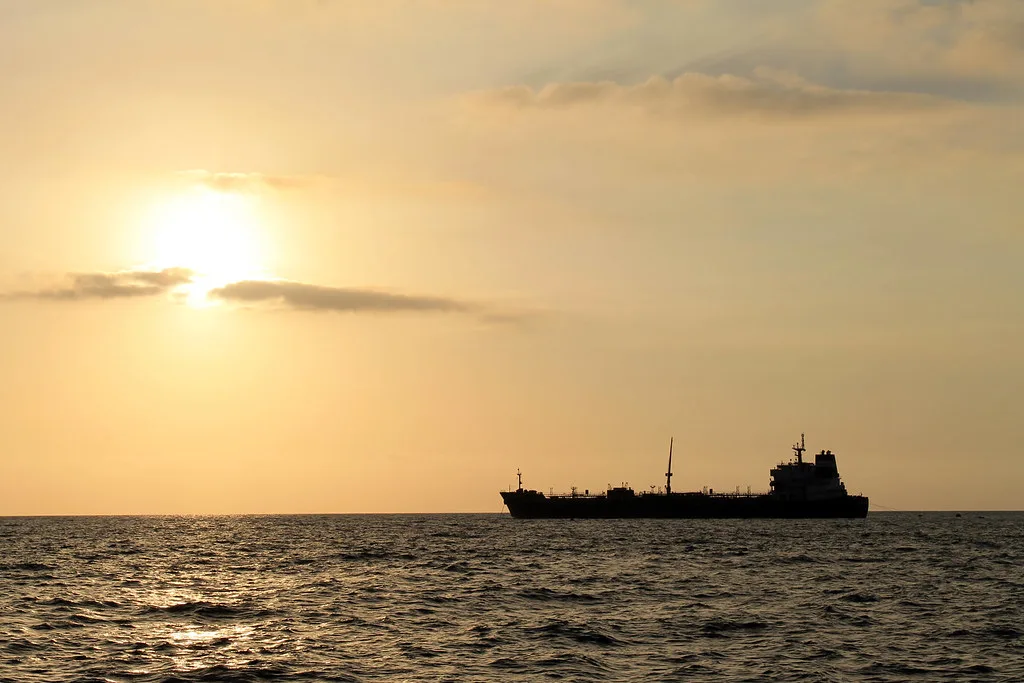
However, the reliance on Russian supply comes with inherent risks, including potential logistical bottlenecks and the complexities of international insurance coverage for tankers. Despite these challenges, the economic incentive for India remains strong, as the discounted pricing provides a buffer against the volatility of the global Brent crude market.
Future Implications for Global Trade
The sustainability of this partnership will depend on the evolution of global price caps and the capacity of existing shipping infrastructure. Market observers are currently monitoring whether Moscow and New Delhi will formalize deeper investments in upstream oil projects, which would signal a transition from short-term trade to long-term energy integration.
As global energy demand continues to climb, the durability of this Russia-India corridor will likely dictate the pricing power of major exporters in the coming decade. Future developments to watch include the expansion of maritime logistics routes and potential technological partnerships in the renewable energy sector, as both nations seek to hedge against future market shifts.