




Strengthening Energy Security
Following a high-level diplomatic visit by Prime Minister Narendra Modi to the United Arab Emirates on May 15, Foreign Secretary Vikram Misri announced a landmark agreement to enhance bilateral energy cooperation. Central to this deal is the commitment by the UAE to store up to 30 million barrels of crude oil within India’s Strategic Petroleum Reserve (SPR). This initiative serves to bolster India’s energy security while simultaneously deepening the existing strategic partnership between the two nations.
Context of the Bilateral Relationship
The UAE has long been a critical partner for India, functioning as the seventh-largest foreign investor over the past quarter-century. This latest diplomatic engagement builds upon previous discussions held during the visit of UAE President Sheikh Mohamed bin Zayed to New Delhi in January. By operationalizing these commitments, both nations aim to move beyond simple trade and toward a comprehensive strategic framework that encompasses defense, technology, and infrastructure.
Broadening Economic and Technological Ties
Beyond the energy sector, the visit yielded USD 5 billion in new investment commitments from major UAE entities, including the Abu Dhabi Investment Authority and Emirates NBD Bank. These funds are earmarked for critical areas such as national infrastructure and banking. Furthermore, the two countries are making significant strides in the digital space, highlighted by a term sheet to establish an 8-exaflop supercomputing facility in India. This facility is expected to be a cornerstone of India’s national artificial intelligence mission, providing the necessary infrastructure to scale domestic AI capabilities.
Defense and Maritime Collaboration
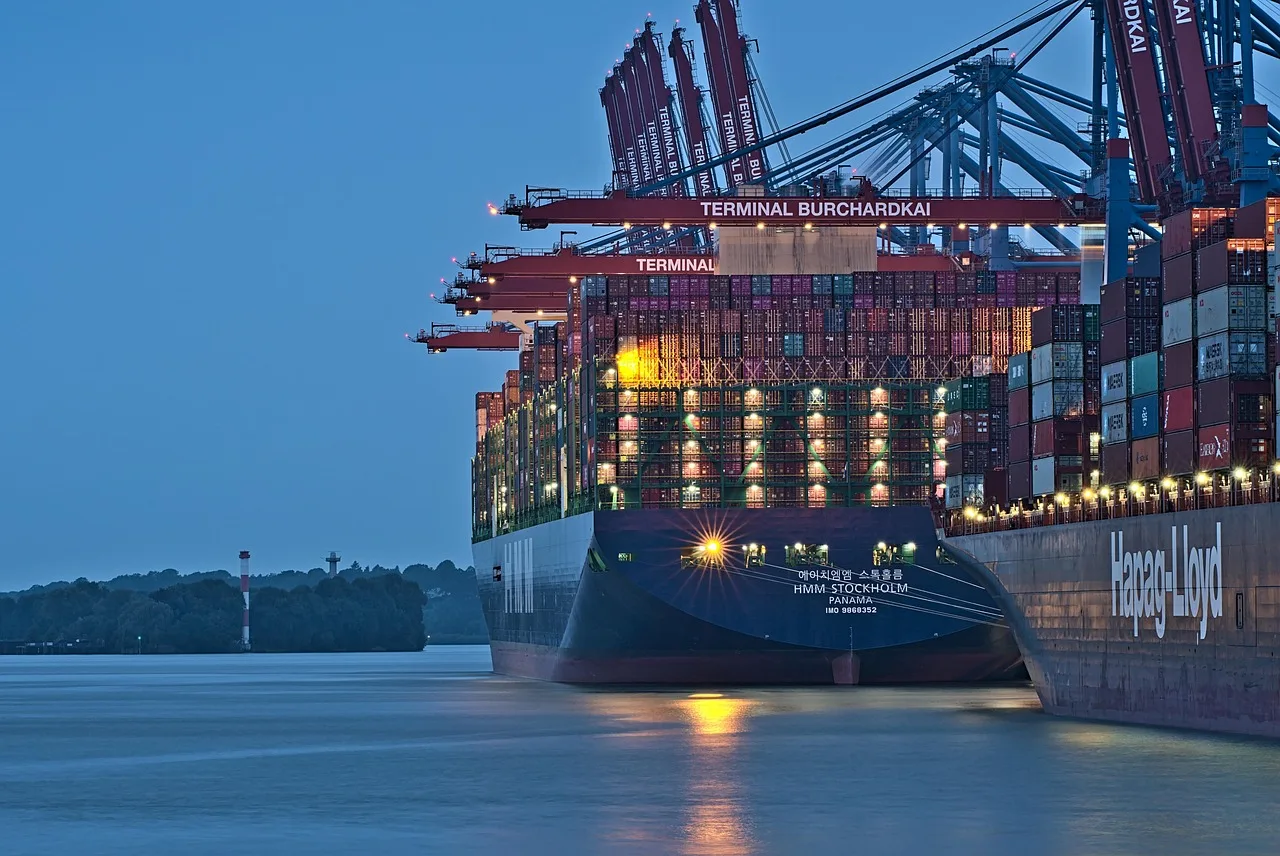
Defense cooperation emerged as another pillar of the visit, with both nations formalizing a framework for strategic partnership. This agreement emphasizes collaboration in defense manufacturing, technology, and equipment development. Maritime trade also received a boost with the operationalization of the virtual trade corridor known as METRI, which connects major ports in both countries. Additionally, partnerships between Cochin Shipyard and Drydocks World of Dubai aim to establish a ship repair cluster in Vadinar, enhancing maritime commerce efficiency.
Strategic Implications for the Region
The agreements reflect a proactive approach to supply chain resilience and regional stability. Prime Minister Modi used the platform to reiterate India’s commitment to the security of the Strait of Hormuz, calling for the cessation of attacks on shipping vessels. As these projects move from planning to implementation, the focus will shift toward the physical establishment of the storage facilities and the integration of the supercomputing infrastructure.
Observers should monitor the development of the 8-exaflop supercomputing facility, as it represents a significant leap in India’s technological infrastructure. Additionally, the success of the METRI trade corridor could serve as a model for future logistics partnerships between India and other Gulf nations. The sustained flow of UAE investments into Indian infrastructure suggests that the bilateral economic corridor is likely to expand further, potentially influencing broader geopolitical alignments in the Indian Ocean region.