





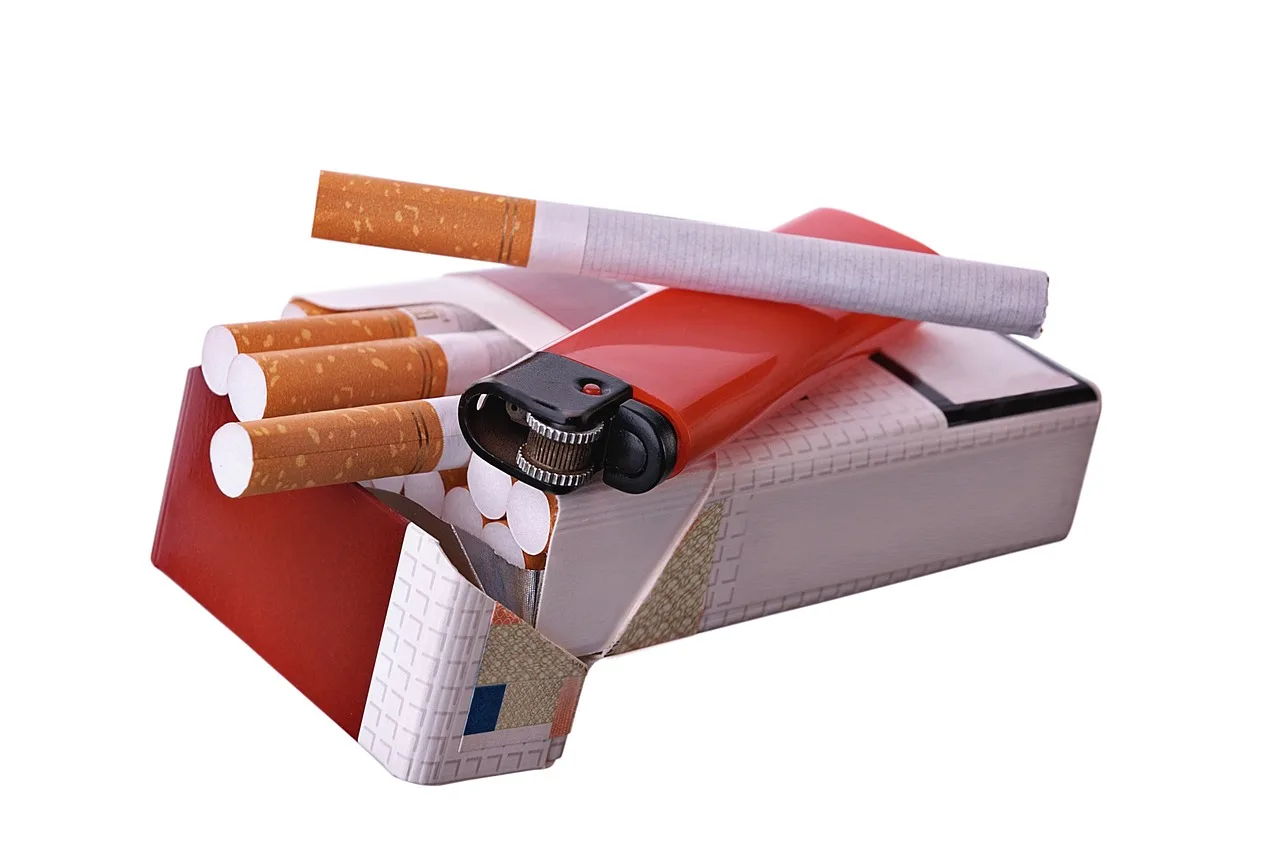
The Indian government is preparing to introduce new tax levies on tobacco products and pan masala as the current Goods and Services Tax (GST) compensation cess is scheduled to expire. Officials from the Ministry of Finance confirmed this week that a transition plan is underway to ensure revenue stability for states that previously relied on the expiring compensation mechanism.
The Context of GST Compensation
When India implemented the GST regime in 2017, the central government guaranteed states compensation for any revenue loss incurred during the first five years of the transition. To fund these payments, a compensation cess was levied on luxury items, automobiles, and sin goods, including tobacco and aerated drinks.
While the original five-year period ended in June 2022, the collection of the cess continued to repay the loans taken by the Centre to cover shortfalls during the COVID-19 pandemic. With those debt obligations nearing completion, the government must now decide how to restructure these levies to maintain fiscal health.
Restructuring Sin Goods Taxation
The proposed shift involves moving these products into a new tax framework designed to sustain the revenue streams previously supported by the compensation cess. Industry experts suggest that the government aims to keep the tax burden on tobacco and pan masala elevated to discourage consumption while securing consistent tax inflows.
Data from the GST Council indicates that tobacco products remain one of the most significant contributors to the compensation fund. By formalizing these levies through a new legislative instrument, the government seeks to avoid a sudden fiscal cliff for state governments that depend on these specific tax distributions.
Expert Perspectives and Fiscal Data
Economists have long argued that sin taxes serve a dual purpose: generating state revenue and discouraging the purchase of health-hazardous goods. According to the World Health Organization’s recent reports on tobacco control, India’s tax-to-retail-price ratio remains a critical lever for public health policy.
Fiscal analysts note that the transition will likely be handled through the GST Council, which balances the interests of both the Union and the states. The central government is reportedly evaluating whether to incorporate these levies into the existing GST structure or to introduce a separate excise-based mechanism that operates alongside the current tax regime.
Implications for the Industry and Consumers
For the tobacco and pan masala industries, this policy shift signals a period of continued regulatory scrutiny and potential price adjustments. Manufacturers are expected to pass the burden of these new levies to the end consumer, likely resulting in higher retail prices across the board.
Retailers and distributors are currently bracing for potential supply chain disruptions as they await the final notification of the new tax rates. The move underscores a broader trend of aggressive taxation on non-essential, health-sensitive goods, a strategy that is expected to persist in the upcoming fiscal budget.
Market participants should monitor the next GST Council meeting for specific details regarding the tax rates and the timeline for implementation. Further developments will likely clarify how the government intends to balance revenue collection with the potential impact on domestic demand in the consumer goods sector.