




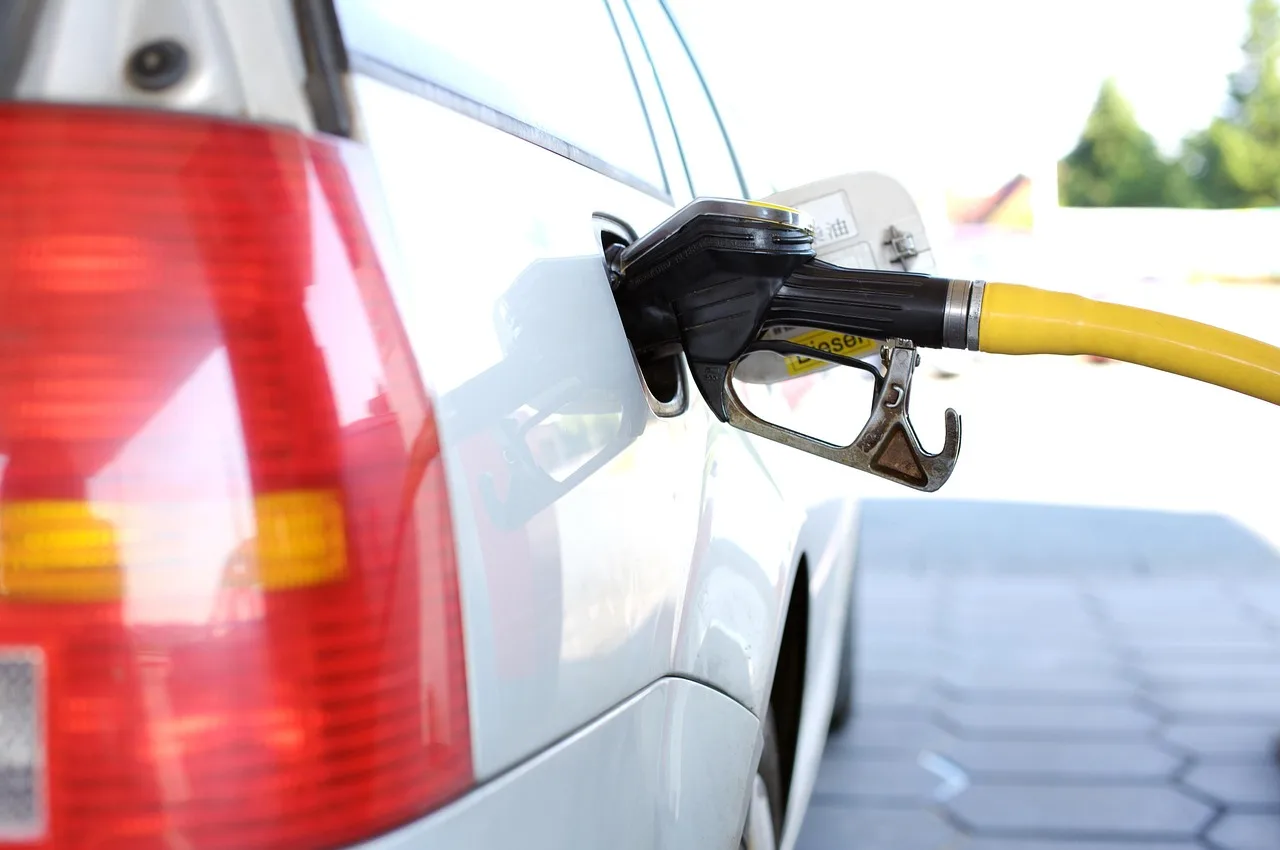
In a move that has ignited immediate political backlash and consumer anxiety, fuel prices across India saw a significant increase this week, with petrol and diesel rising by Rs 3 per liter and CNG by Rs 2 per liter. The sudden adjustment, which industry experts suggest may be the precursor to further hikes, has drawn sharp criticism from opposition parties who claim the timing is strategically linked to recent electoral cycles. The central government maintains that these adjustments are necessary global market corrections, positioning the increase as modest compared to other major economies currently grappling with the fallout of international supply chain disruptions and geopolitical instability.
The Context of Global Energy Volatility
The recent price adjustment follows a period of relative stability in domestic fuel pricing, which analysts have often linked to the intense schedule of state and national elections. Historically, state-owned oil marketing companies have frequently held prices steady during peak campaign periods, leading to a recurring pattern of sharp, post-election upward adjustments.
Current global market conditions, exacerbated by ongoing international conflicts and fluctuating crude oil prices, have placed immense pressure on India’s import-heavy energy sector. According to official government statements, the current hike represents one of the smallest incremental increases seen among major global economies since the onset of the Iran-related geopolitical tensions that have roiled energy markets.
Political Fallout and Public Sentiment
The opposition Congress party has launched a fierce offensive against the Modi administration, alleging that the government deliberately delayed these price hikes to secure votes before passing the financial burden onto the public. Senior leaders, including Siddaramaiah, have categorized the move as a direct attack on the common man, arguing that the increased fuel costs will trigger a cascading effect on inflation, particularly regarding transportation and essential goods.
Conversely, the ruling Bharatiya Janata Party (BJP) defends the decision as a pragmatic economic necessity. Officials argue that the government has absorbed significant losses to insulate citizens from global volatility for as long as possible. They emphasize that the domestic tax structure remains balanced, and that the current hike is a measured response to prevent long-term damage to the national exchequer.
Economic Implications for Industry and Consumers
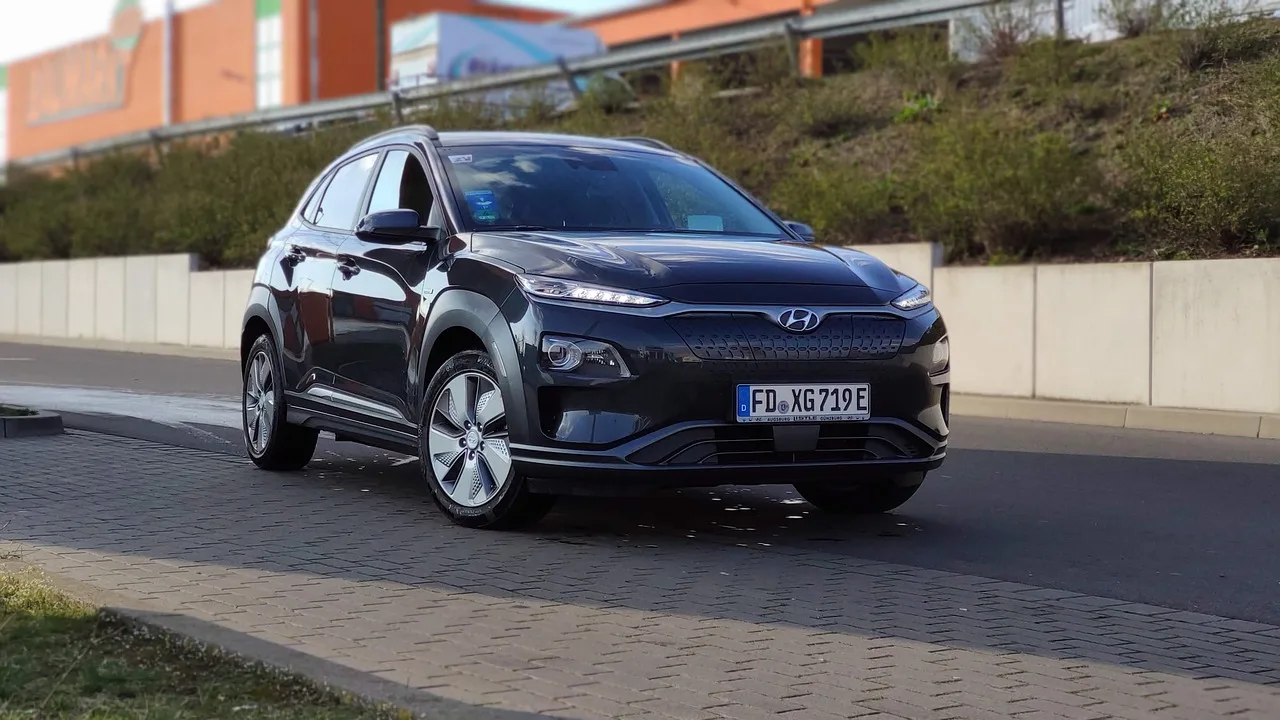
For the average car owner and the broader automotive industry, the price hike introduces immediate budgetary pressures. Higher operational costs for diesel-powered commercial vehicles are expected to drive up the cost of logistics, potentially leading to increased prices for daily commodities and food items. Automobile manufacturers are also monitoring the situation closely, as sustained high fuel prices typically shift consumer preference away from internal combustion engine vehicles toward more fuel-efficient alternatives or electric vehicles.
Market analysts note that while the current hike is Rs 3, the underlying global price trends suggest that the current increase may not be the last. Companies are now recalibrating their sales forecasts, anticipating that a prolonged period of high fuel costs could dampen consumer sentiment in the automotive retail sector, which has been struggling to maintain momentum amid broader macroeconomic headwinds.
Future Outlook and Trends to Watch
As the nation adjusts to the new price floor, observers are closely watching for potential government interventions, such as excise duty cuts, to mitigate the impact on the most vulnerable sectors. Observers should monitor upcoming monthly fuel reviews for further indications of price volatility. Furthermore, the industry is bracing for a potential shift in purchasing behavior as the cost-benefit analysis for individual vehicle ownership continues to evolve in real-time, potentially accelerating the transition toward alternate fuel technologies and public transit options in urban centers.