




U.S. retail sales growth cooled significantly in April as volatile energy costs and persistent geopolitical tensions in the Middle East weighed on consumer sentiment and purchasing power. Data released this week confirms that while the retail sector remains in expansion territory, the momentum that defined the early months of the year has begun to taper off.
The Impact of Global Energy Markets
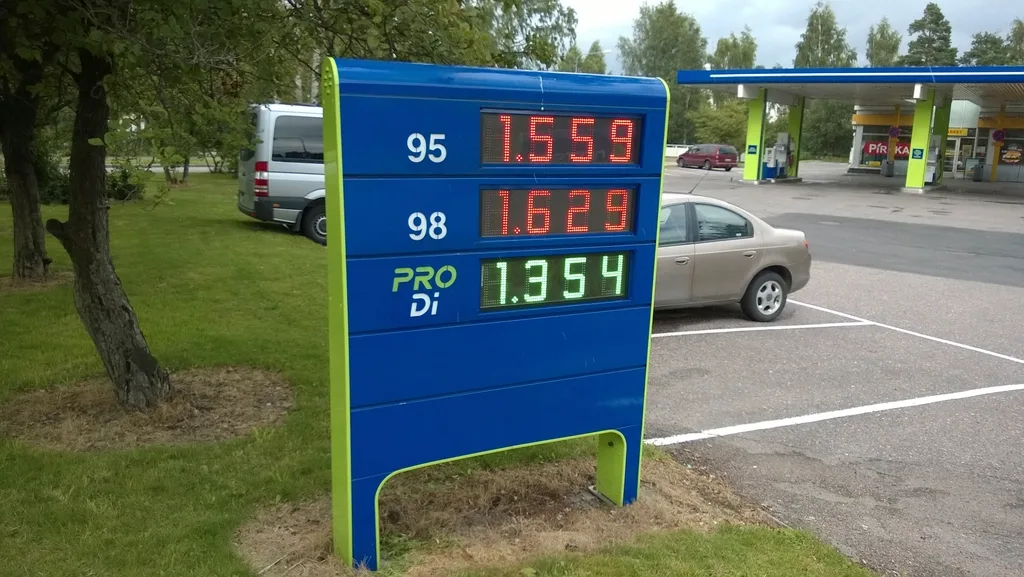
The primary driver behind the slowdown appears to be the fluctuating price of gasoline. As the conflict involving Iran continues to disrupt regional stability, global oil markets have responded with increased volatility, directly impacting prices at the pump for American consumers.
When gasoline prices rise, household budgets often shift away from discretionary spending. This displacement effect forces consumers to prioritize essential goods, leading to a contraction in broader retail segments such as apparel, electronics, and home furnishings.
Contextualizing the Retail Shift
For the past several quarters, the retail industry benefited from a resilient labor market and healthy wage growth. These factors allowed consumers to absorb inflationary pressures throughout late 2023 and the first quarter of 2024.
However, the current environment marks a transition point. Economists note that the cumulative effect of interest rate hikes, combined with the recent energy price shocks, is beginning to test the limits of consumer endurance. Retailers are now navigating a landscape where inventory management must be more precise to avoid the costs associated with cooling demand.
Expert Analysis and Industry Data
Market analysts point to a clear divergence between essential and non-essential spending. According to recent retail tracking data, grocery and pharmacy sales have remained relatively stable, whereas big-ticket items have seen a marked decline in transaction volume.
“The consumer is becoming increasingly selective,” says lead market strategist Elena Vance. “We are seeing a strategic pullback where buyers are actively seeking value-oriented retailers over premium brands to offset the rising cost of fuel and utilities.”
Data from the U.S. Census Bureau historically shows that retail sales are highly sensitive to energy shocks. Because gasoline is a recurring, unavoidable expense for most American households, any sustained increase in prices acts as a de facto tax, reducing the disposable income available for other sectors.
Implications for the Broader Economy
The cooling of retail sales suggests that the broader economy may be entering a period of slower growth. If consumer spending remains sluggish, retailers may be forced to implement aggressive discounting strategies to move inventory as they move into the summer months.
Investors are now closely watching the Federal Reserve for signals on how these retail trends might influence monetary policy. If the slowdown in spending persists, it could dampen inflationary pressures, potentially altering the central bank’s stance on interest rate adjustments for the remainder of the year.
Looking ahead, market participants should monitor the stability of the Iran conflict and its subsequent influence on crude oil benchmarks. Furthermore, upcoming consumer confidence indices will provide a clearer picture of whether this cooling trend is a temporary reaction to energy costs or the beginning of a sustained shift in household economic behavior.