





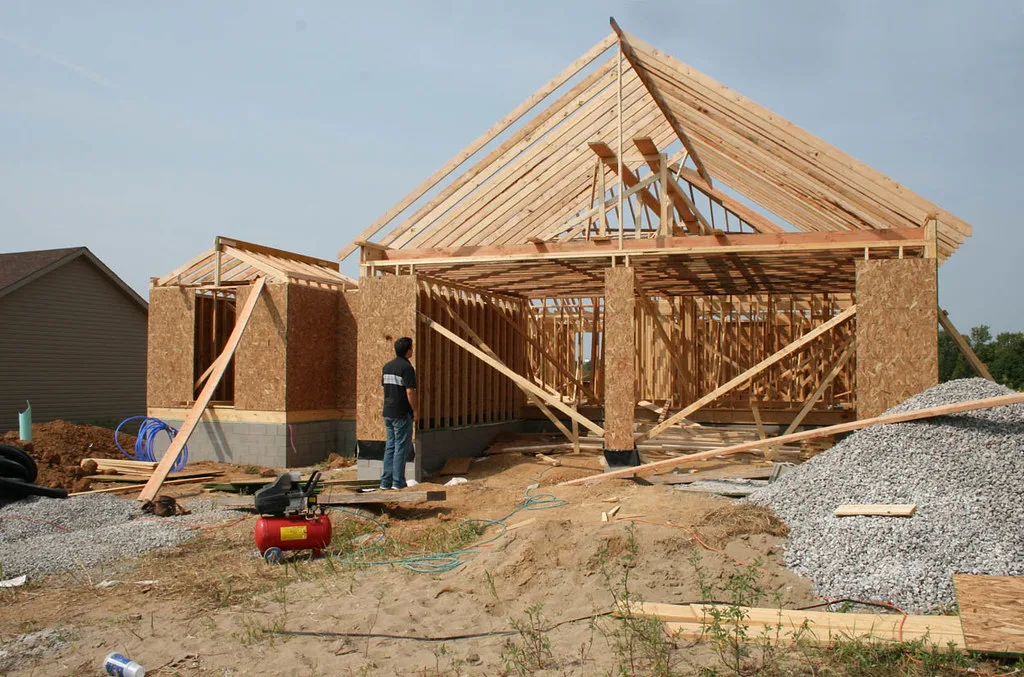
Real estate giant DLF Ltd. has officially maintained its sales booking guidance at ₹20,000 crore for the 2027 fiscal year, signaling a strategic shift toward margin preservation over aggressive volume expansion. The company, which revealed its financial trajectory during a recent investor briefing, cited systemic constraints in construction execution capacity as the primary driver behind this tempered outlook.
Context and Market Dynamics
The Indian real estate sector has experienced a sustained bull run over the past three years, characterized by high demand for luxury residential projects and premium commercial spaces. However, the rapid pace of development has placed unprecedented pressure on supply chains and labor availability across the country.
DLF, as a market leader, often sets the tone for industry-wide expectations. By choosing to hold its sales target steady rather than escalating it, the company is acknowledging the limitations of current project delivery timelines and the increasing costs of raw materials and skilled labor.
Prioritizing Profitability Over Volume
Industry analysts note that DLF’s focus has pivoted from mere market share acquisition to protecting net margins. In an environment where construction costs are volatile, developers are increasingly cautious about over-committing to new project launches that could suffer from delivery delays or cost overruns.
Managing director Ashok Tyagi emphasized that the company is currently optimizing its existing land bank to extract maximum value. This approach allows DLF to maintain high-quality standards while mitigating the risks associated with the industry-wide labor shortage and regulatory approval bottlenecks.
Expert Perspectives and Data
Market data from recent quarterly reports indicates that while demand remains robust, the pace of new launches has moderated across Tier-1 cities. According to industry research, construction execution capacity has become the new bottleneck for large-scale developers, limiting the speed at which pre-sales can be converted into completed inventories.
“The market is shifting from a phase of unchecked growth to a phase of disciplined execution,” says an analyst at a leading financial firm. “Developers who prioritize margin health over aggressive booking targets are better positioned to weather potential cooling in residential demand.”
Implications for the Sector
This conservative guidance from a bellwether like DLF suggests that the broader real estate industry may also see a stabilization in sales targets. Investors should expect developers to emphasize operational efficiency and the successful delivery of ongoing projects rather than announcing a rapid pipeline of new, unproven ventures.
For homebuyers, this trend may result in a more balanced market, as developers focus on completing existing projects before accelerating new ones. However, it also suggests that the current premium pricing environment is unlikely to soften in the short term, as companies remain focused on maintaining their profit margins.
Looking ahead, stakeholders should monitor how DLF navigates the integration of new technology in its construction processes to address execution capacity gaps. The ability to streamline project timelines without compromising quality will be the defining factor for performance in the 2027 fiscal year. Observers will also be watching for any shift in regulatory policy regarding land acquisition and labor laws, which could alleviate or exacerbate the current industry-wide constraints.