




Economic Pressures Mount for India
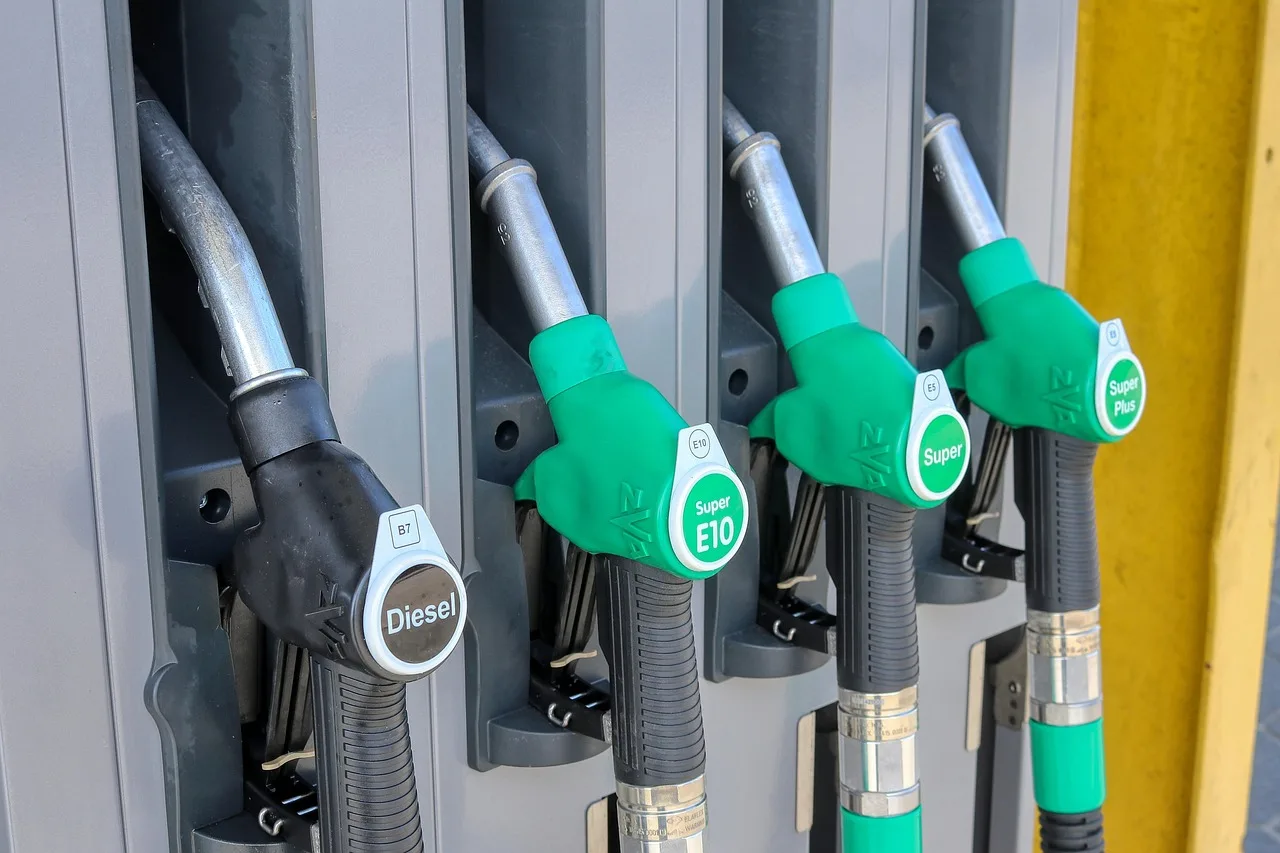
Reserve Bank of India (RBI) Governor Sanjay Malhotra warned on Wednesday that India may be forced to increase domestic retail fuel prices if the ongoing conflict in West Asia continues to disrupt global energy markets. Speaking at a high-level Swiss Bank and International Monetary Fund (IMF) event in Switzerland, Malhotra highlighted the growing fiscal strain caused by the geopolitical instability in the oil-producing region.
The current stability in Indian fuel prices has been largely maintained through the absorption of crude oil price fluctuations by state-run oil marketing companies. However, the Governor indicated that this buffer is reaching a breaking point as the duration and intensity of the regional conflict threaten to sustain elevated global oil prices.
The Context of Fuel Pricing in India
India imports over 85% of its crude oil requirements, making its economy highly sensitive to international price volatility. Historically, the government has utilized excise duty adjustments to shield domestic consumers from sharp spikes in global oil benchmarks.
During previous periods of extreme volatility, the central government implemented significant cuts to excise duties on petrol and diesel. These fiscal interventions served to soften the impact on inflation, which remains a primary concern for the RBI’s monetary policy committee. The current tension in West Asia poses a renewed threat to this delicate fiscal equilibrium.
Global Market Dynamics and Fiscal Exposure
The conflict in West Asia has introduced a significant risk premium into global oil markets. Energy analysts at the IMF have noted that any further escalation in the region could disrupt key supply chains, leading to a sustained rise in Brent crude prices.
Data from the Petroleum Planning and Analysis Cell (PPAC) indicates that India’s import bill has surged in response to these geopolitical developments. Oil marketing companies, which have largely held prices steady since mid-2022, are now facing compressed margins. Industry experts suggest that these companies cannot sustain current retail pricing levels indefinitely if global crude remains above the $80-90 per barrel threshold.
Implications for the Indian Economy
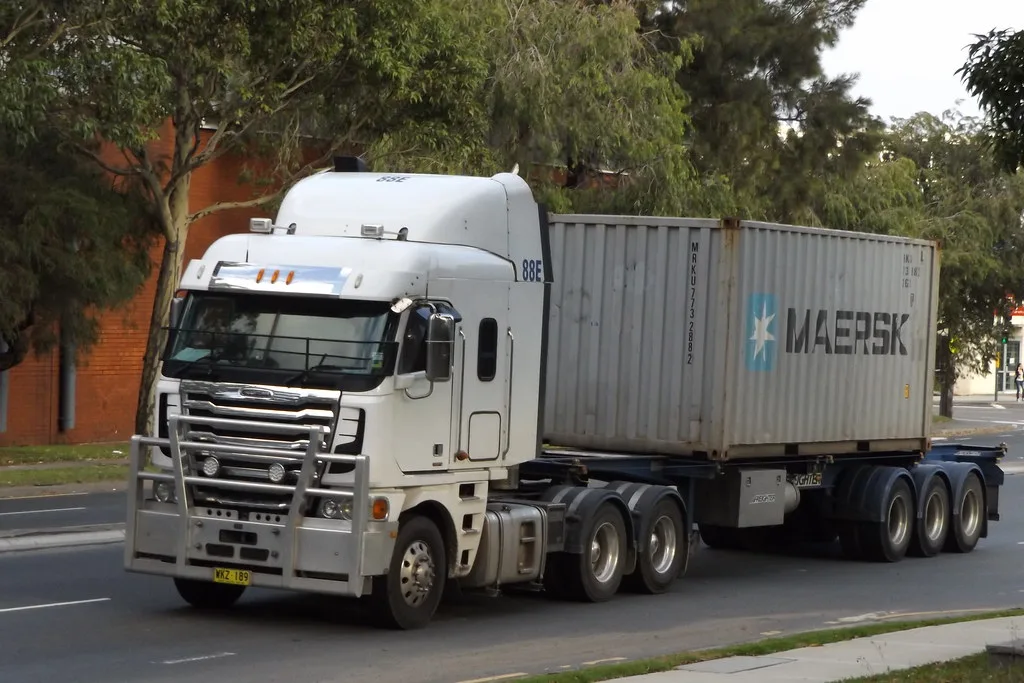
A hike in retail fuel prices would have immediate and wide-ranging consequences for the Indian economy. As fuel costs are a primary input for logistics and transportation, any increase at the pump is expected to exert upward pressure on the Consumer Price Index (CPI).
For the average consumer, this translates to reduced disposable income and higher costs for essential goods. For the broader industry, it could lead to increased operational overheads, potentially cooling the momentum of India’s manufacturing and services sectors. The RBI, tasked with maintaining a target inflation rate, will likely face a tougher policy environment if fuel prices are deregulated or adjusted upward.
Looking Ahead: Market Volatility
Market watchers are now closely monitoring two critical indicators: the duration of the West Asian conflict and the subsequent response from OPEC+ regarding global production quotas. Should the conflict extend into the next quarter, the Indian government will likely face a difficult choice between continuing to absorb losses through state retailers or passing the burden to the end consumer.
Investors and policy analysts will be looking toward the next union budget and RBI policy meetings for further clarity on how the government plans to manage the fiscal deficit while navigating these external shocks. The focus remains on whether the government will prioritize inflationary control or fiscal consolidation as the global energy landscape remains unpredictable.