




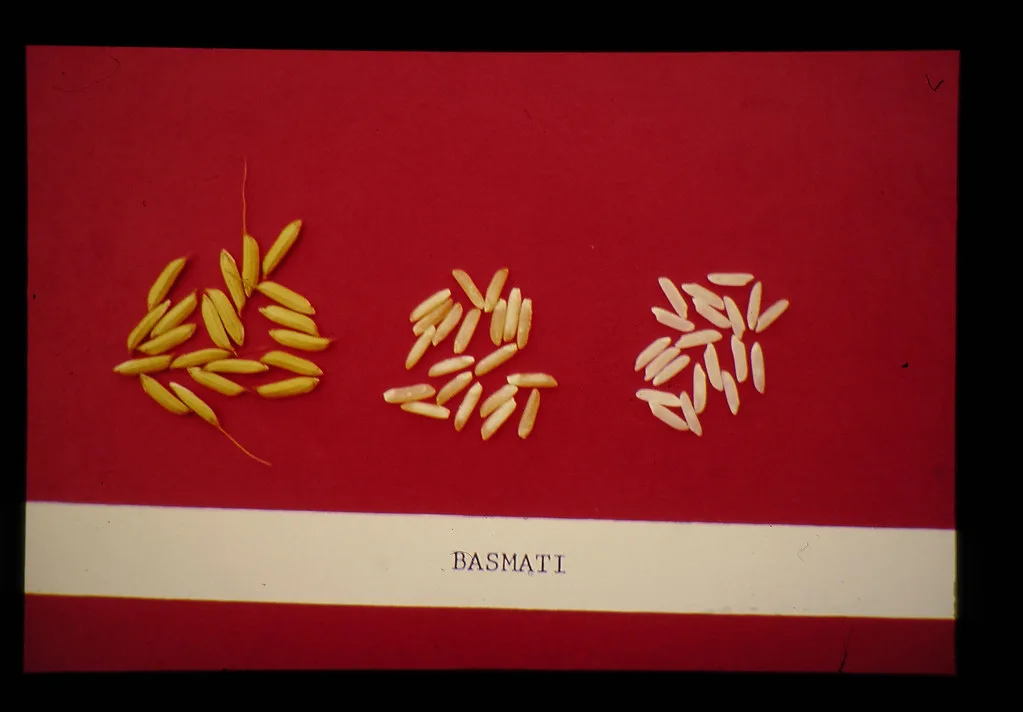
New Delhi-based basmati rice producer KRBL Ltd reported a flat net profit of ₹155 crore for the fourth quarter ending March 31, 2026, even as the company saw a modest rise in overall revenue. Despite the steady performance, KRBL shares faced significant downward pressure on the BSE on May 14, closing at ₹347, marking a decline of 6.36% or ₹23.55.
Context of the Rice Export Market
The global basmati market has recently grappled with fluctuating export regulations and varying climate conditions impacting crop yields. KRBL, the entity behind the India Gate brand, remains one of the largest players in the industry, navigating these macroeconomic headwinds while attempting to maintain its market share in both domestic and international markets.
Financial Performance and Shareholder Returns
While the net profit remained stagnant compared to the previous fiscal year, the company’s ability to grow revenue suggests resilience in demand for premium rice products. In a move to appease investors despite the stagnant bottom line, the board of directors recommended a final dividend of ₹4.50 per equity share. This dividend is based on a face value of ₹1 per share, reflecting the company’s commitment to providing value to its shareholders.
Market Reaction and Industry Analysis
The sharp decline in stock price following the announcement highlights investor sensitivity to bottom-line stagnation. Financial analysts often look for growth in net margins; when those margins remain flat, market sentiment frequently shifts toward caution. Trading volumes on May 14 indicated a sell-off as institutional and retail investors weighed the dividend payout against the lack of profit growth.
Operational Challenges and Future Outlook
KRBL faces ongoing challenges related to supply chain logistics and the rising costs of raw paddy procurement. Industry experts point out that the company’s ability to pass on these costs to consumers without sacrificing volume will be the defining factor for the upcoming fiscal quarters. Furthermore, the company must balance its export-oriented strategy with domestic price controls, which often restrict margins during periods of high inflation.
Implications for the Industry
For the broader agro-industry, KRBL’s results serve as a bellwether for the health of the Indian food export sector. The focus for analysts will now shift toward the company’s Q1 results for the 2027 fiscal year to see if the revenue growth can translate into improved net margins. Stakeholders should monitor upcoming seasonal export data and potential changes in government trade policies regarding basmati rice, as these variables will likely dictate the company’s profitability in the near term.