




Jewellery has surged to become the third-largest demand driver in India’s organized retail market as of May 2025, trailing only the fashion and food and beverage sectors. A new report by CBRE reveals that the sector’s share of total retail leasing has quadrupled, jumping from a modest 2 per cent in 2019 to 8 per cent in 2025.
The Shift Toward Experiential Retail
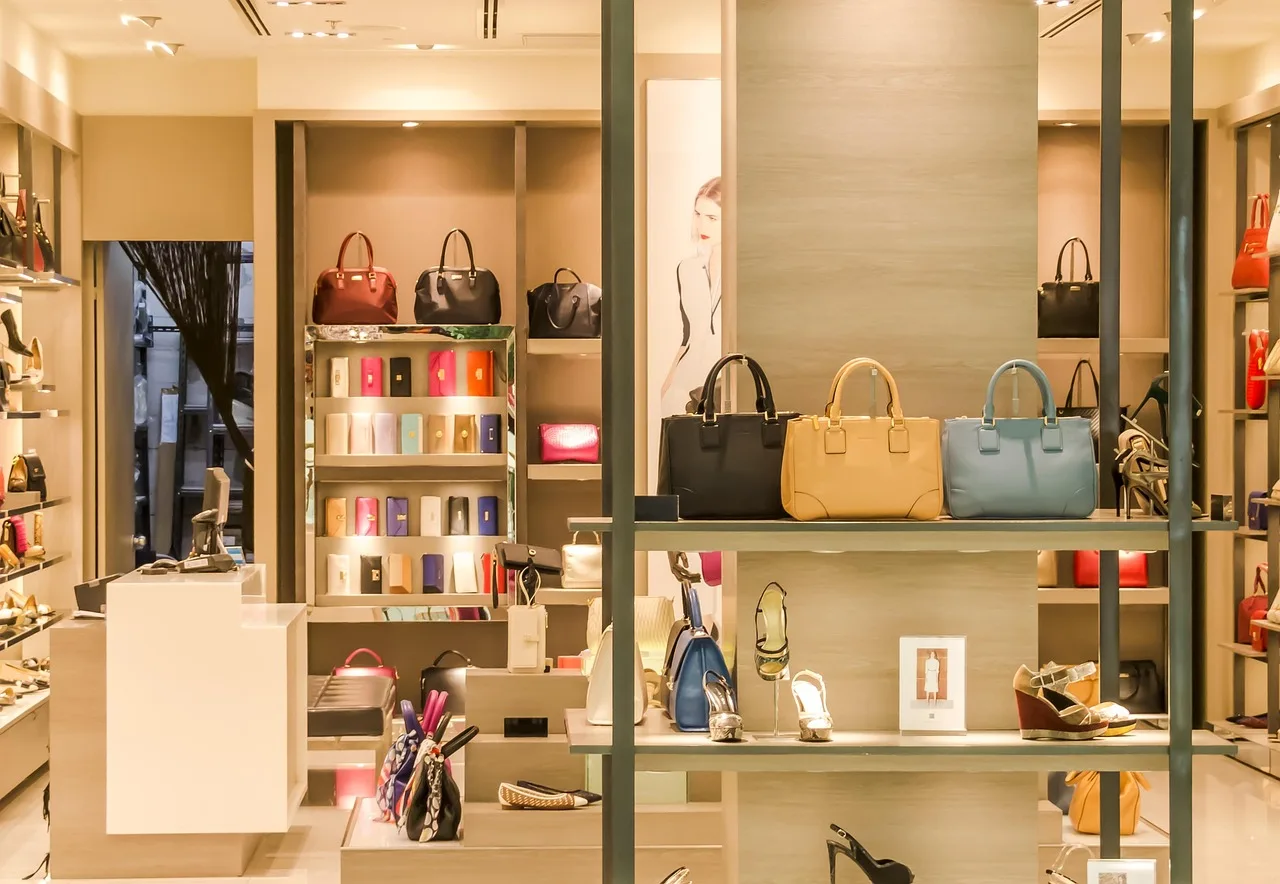
Historically, jewellery retail in India was characterized by small, traditional outlets focused on transactional sales. However, the market has undergone a significant transformation, with brands now prioritizing large-format showrooms that emphasize customer experience.
Data from CBRE indicates that stores exceeding 8,000 square feet accounted for half of all jewellery retail leasing in 2025. This is a dramatic rise from the 14 per cent share these large-format stores held in 2019, reflecting a strategic pivot toward luxury branding.
Explosive Growth in Leasing Volumes
The appetite for premium physical space has translated into substantial growth in leasing activity. Absorption by jewellery brands doubled year-over-year, climbing from 0.4 million square feet in 2024 to 0.8 million square feet in 2025.
Major metropolitan hubs, including Hyderabad, Chennai, Bengaluru, Delhi-NCR, and Mumbai, remain the epicenters of this expansion. These cities provide the high-footfall environments necessary to justify the investment in flagship locations.
Evolving Consumer Preferences and Product Mix
While fine jewellery remains the bedrock of the industry, commanding 72 per cent of leasing activity in 2025, the product landscape is diversifying. Notably, lab-grown diamond (LGD) brands have increased their market footprint, growing their leasing share from 5 per cent in 2024 to 8 per cent in 2025.
Retailers are responding to these shifts by integrating advanced technology into their store designs. Modern showrooms now feature virtual try-on facilities, private bridal lounges, and dedicated zones for high-end collections to capture the attention of a more tech-savvy and discerning consumer base.
Strategic Expansion into Tier-II and Tier-III Markets
Beyond the metros, the retail strategy is extending into smaller urban centers. While tier-I cities provide the volume, tier-II and tier-III cities are increasingly viewed as profitability hubs. Lower operating costs combined with high average transaction values make these regions attractive for long-term expansion.
Brands are currently balancing their portfolios by utilizing a mix of flagship stores, mall-based boutiques, and shop-in-shop models. This multi-format approach allows retailers to tailor their presence to the specific demographics of different urban markets.
Implications for the Retail Industry
For the broader real estate and retail sectors, this trend signals a sustained demand for high-quality commercial space. Property developers may need to reconfigure standard retail layouts to accommodate the specialized infrastructure requirements of luxury jewellery showrooms.
Industry observers should monitor the continued penetration of lab-grown diamond brands, as their growth could further disrupt traditional inventory models. Additionally, the ability of national brands to maintain high service standards while scaling into smaller cities will likely determine the next phase of sector profitability.