





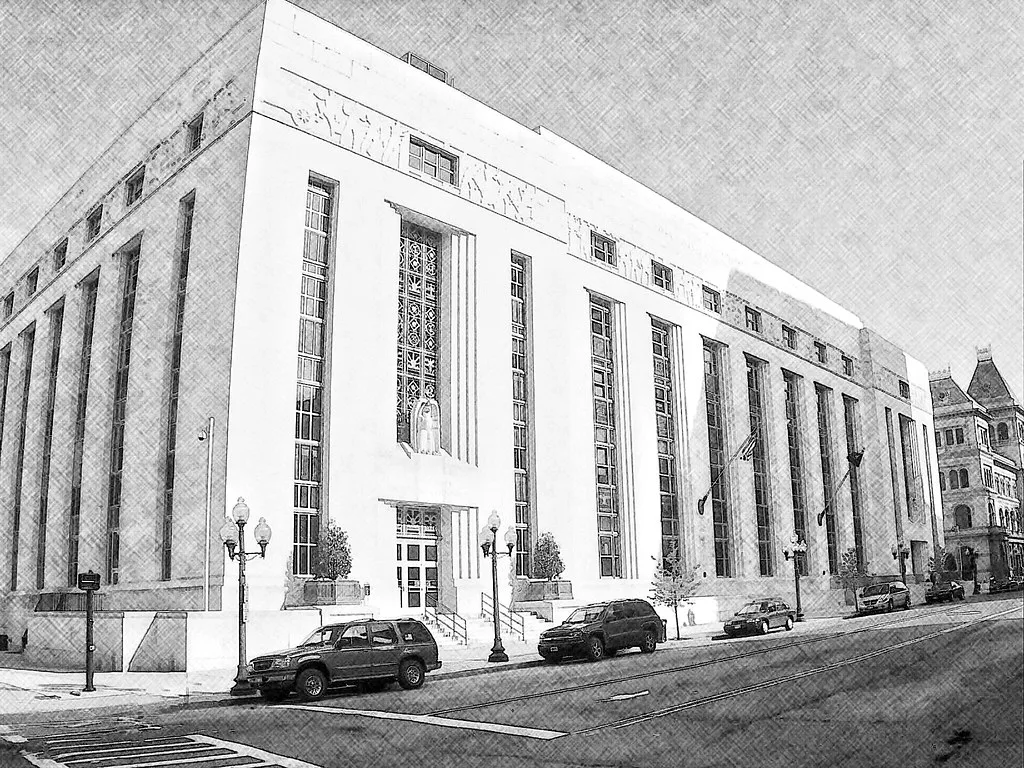
Legal Precedent Set in Chicago Courtroom
A Chicago jury awarded $49.5 million in damages on Wednesday to the family of a 24-year-old American passenger killed in the 2019 Ethiopian Airlines Flight 302 crash involving a Boeing 737 MAX. The verdict marks a significant financial development in the ongoing litigation surrounding the two fatal accidents that grounded the aircraft worldwide for nearly two years.
The trial focused on the tragic loss of Samya Stumo, one of 157 people who died when the flight plummeted shortly after takeoff from Addis Ababa. Her family argued that Boeing’s design flaws and systemic oversight failures directly contributed to the catastrophic system failure.
The Context of the 737 MAX Crisis
The 2019 crash was the second of two major disasters involving the Boeing 737 MAX, following the Lion Air Flight 610 crash in Indonesia in 2018. Both incidents were linked to the Maneuvering Characteristics Augmentation System (MCAS), an automated flight control software that pushed the planes’ noses down based on faulty sensor data.
Following these tragedies, Boeing faced intense scrutiny from global aviation regulators, including the Federal Aviation Administration (FAA). The company eventually admitted to conspiring to defraud the FAA’s Aircraft Evaluation Group, leading to a $2.5 billion settlement in 2021 that included criminal penalties and compensation funds for airline customers.
Detailed Legal Arguments and Liability
During the proceedings, attorneys for the Stumo family presented evidence suggesting that Boeing prioritized speed to market over rigorous safety protocols. The legal team highlighted internal communications that raised concerns about the MCAS system long before the fatal crashes occurred.
Boeing’s defense team maintained that while the company accepted responsibility for the technical malfunctions, the specific damages awarded should reflect standard actuarial calculations for wrongful death. The jury’s $49.5 million award significantly exceeds those traditional benchmarks, signaling a shift in how courts are valuing the lives of victims in high-profile corporate negligence cases.
Expert Perspectives on Aviation Litigation
Aviation law experts suggest this verdict could influence future settlement negotiations for remaining plaintiffs who have yet to reach agreements with the aerospace giant. By awarding a sum well above typical compensatory figures, the jury has set a high bar for accountability regarding corporate oversight.
“This verdict underscores a growing judicial trend where juries are increasingly intolerant of corporate negligence when it involves public safety,” said legal analyst Sarah Jenkins. “It moves beyond mere economic loss and addresses the profound human cost of systemic failure in the aviation industry.”
Long-term Implications for the Aerospace Industry
The outcome of this trial serves as a reminder that the legal fallout from the 737 MAX crisis remains a volatile issue for Boeing’s balance sheet. While the company has implemented extensive software and training updates to return the 737 MAX to service, the financial and reputational damage continues to reverberate through the legal system.
Industry observers are now watching to see how this precedent affects pending wrongful death claims. If subsequent juries follow this lead, Boeing may face significantly higher total liabilities than previously anticipated by financial analysts. Furthermore, the case will likely prompt a renewed focus on internal safety culture and the transparency of communication between aircraft manufacturers and federal regulators in the coming years.