
Key Takeaways:
- Oil prices have seen a significant uptick, primarily driven by persistent geopolitical friction between Iran and the United States concerning the Strait of Hormuz.
- The Strait of Hormuz is a critical global energy chokepoint, through which a substantial portion of the world’s seaborne oil supply transits daily.
- Ongoing disagreements and the potential for disruption introduce a substantial risk premium into crude oil benchmarks, impacting global energy markets and supply chain stability.
- Businesses reliant on stable energy costs must factor in this heightened geopolitical risk, necessitating robust supply chain resilience and strategic hedging considerations.
Global oil markets are once again grappling with heightened volatility as prices experience an upward trajectory, fueled by an enduring standoff between Iran and the United States over the strategic Strait of Hormuz. This critical maritime chokepoint, essential for global energy flows, remains a flashpoint for geopolitical tensions, directly influencing crude oil benchmarks and injecting uncertainty into the international economic landscape, as reported by Investing.com.
The Strategic Significance of the Strait of Hormuz
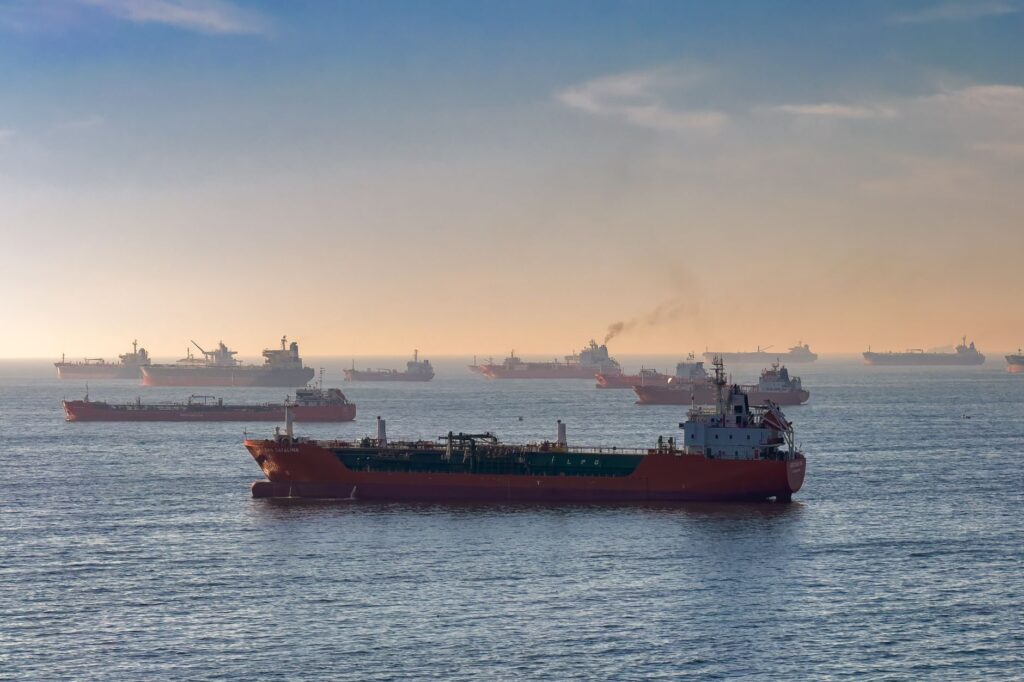
The Strait of Hormuz is arguably the world’s most vital oil transit chokepoint. Situated between Oman and Iran, it connects the Persian Gulf with the Arabian Sea and beyond. Its strategic importance cannot be overstated:
Global Energy Lifeline
- Approximately one-fifth of the world’s total petroleum liquids consumption, and a significant portion of liquefied natural gas (LNG), passes through this narrow waterway daily.
- Major oil producers like Saudi Arabia, Iran, Iraq, Kuwait, Qatar, and the UAE rely heavily on the Strait for their exports to global markets, particularly to Asia, Europe, and North America.
Vulnerability to Geopolitical Instability
Any disruption or threat to shipping in the Strait of Hormuz has immediate and profound implications for global energy security and prices. Historically, periods of heightened tension in the region have consistently led to spikes in crude oil futures, reflecting market fears of supply interruptions. The current situation, characterized by ongoing disagreements between Washington and Tehran regarding the Strait’s operational status and freedom of navigation, serves as a potent reminder of this vulnerability.
Analyzing the Iran-U.S. Standoff and Market Impact
The core of the current market anxiety stems from the unresolved diplomatic and strategic differences between Iran and the U.S. over the Strait of Hormuz. While specific details of the latest disagreements were not elaborated in the source, the overarching context involves long-standing issues such as nuclear programs, sanctions, and regional influence.
Risk Premium and Price Volatility
The market’s response to these tensions is a classic example of a geopolitical risk premium. Traders and investors factor in the increased probability of supply disruptions, leading to:
- Higher Futures Prices: Speculation about potential blockades or attacks on shipping lanes drives up the price of forward contracts for crude oil.
- Increased Volatility: News cycles related to diplomatic efforts, military posturing, or incidents in the region can cause rapid price swings, making market forecasting more challenging.
- Supply Chain Re-evaluation: Energy-intensive industries and logistics providers are compelled to reassess their supply chain resilience and contingency plans.
Broader Economic Implications
Beyond the immediate impact on oil prices, the persistent standoff has wider economic ramifications. Elevated energy costs can:
- Fuel Inflation: Higher crude prices translate into increased costs for transportation, manufacturing, and consumer goods, potentially contributing to inflationary pressures globally.
- Impact Corporate Earnings: Businesses with significant energy inputs face compressed margins, potentially affecting profitability and investment decisions.
- Influence Central Bank Policy: Persistent energy price shocks can complicate monetary policy decisions, forcing central banks to balance inflation control with economic growth objectives.
Strategic Considerations for Businesses and Policy Makers
For businesses operating within this volatile environment, particularly those in sectors like logistics, manufacturing, and technology, understanding and mitigating geopolitical energy risks is paramount. Strategic insights from this situation include:
- Diversification of Energy Sources: Exploring alternatives to traditional fossil fuels and diversifying supply chains can reduce dependency on volatile regions.
- Hedging Strategies: Implementing robust financial hedging mechanisms can help insulate businesses from sudden price spikes.
- Geopolitical Risk Assessment: Incorporating sophisticated geopolitical risk analysis into corporate strategy and scenario planning is crucial for proactive decision-making.
- Technological Solutions: Leveraging AI and machine learning for predictive analytics on commodity markets and geopolitical events can provide a competitive edge in anticipating market shifts.
The ongoing tensions over the Strait of Hormuz underscore the intricate link between geopolitics and global economic stability. As Iran and the U.S. remain at odds, the ripple effects on oil prices and broader markets necessitate a vigilant and adaptive approach from businesses and policymakers worldwide.