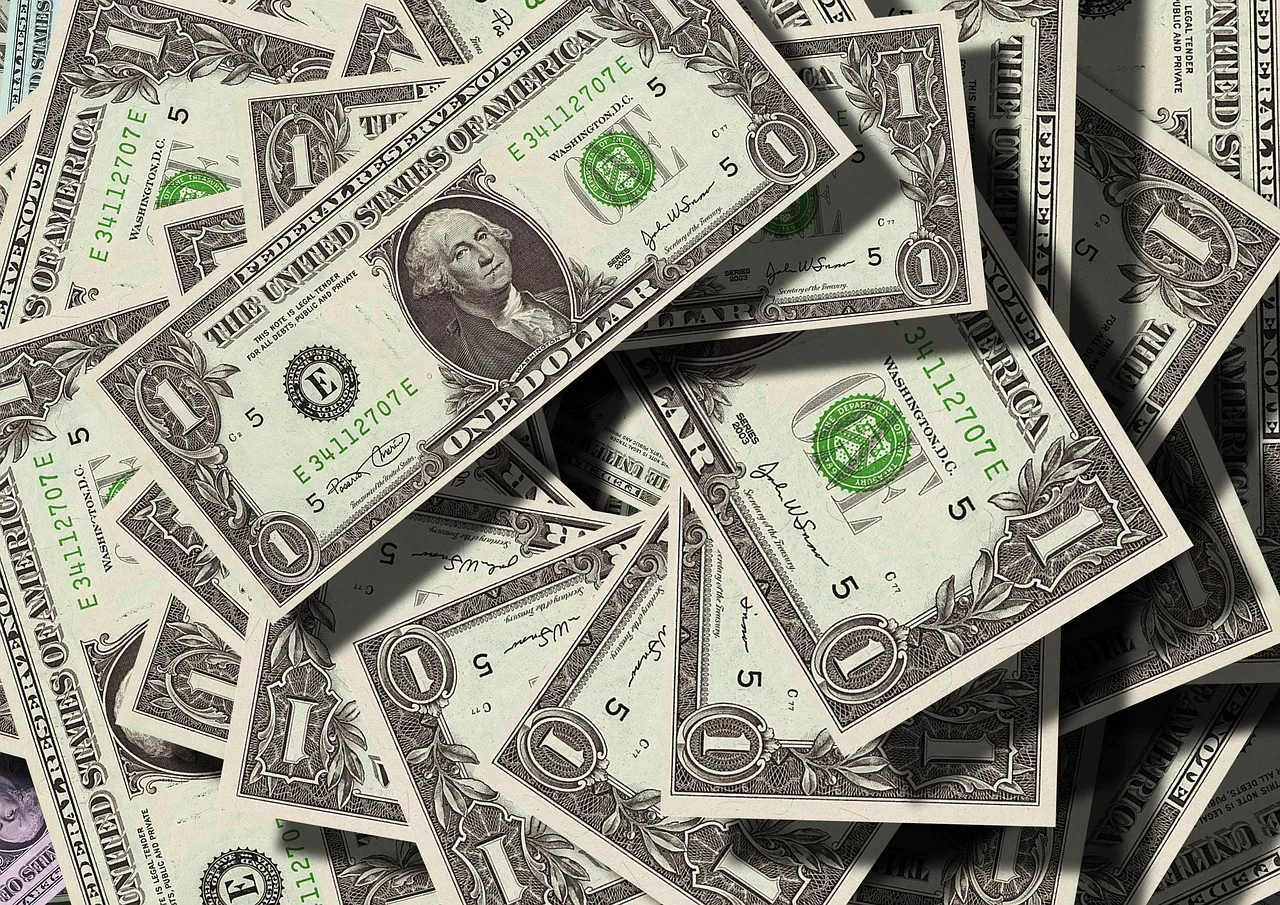




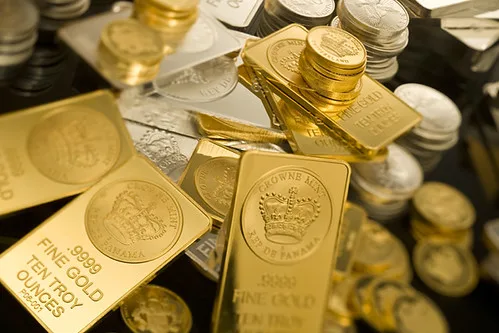
On May 11, the Indian precious metals market witnessed divergent movements as gold prices slipped by 0.28% to settle just above Rs 1.52 lakh per 10 grams, while silver recorded a modest gain of 0.34%, influenced by ongoing US-Iran peace talks, broader macroeconomic cues, and speculative reactions to domestic political commentary. This mixed performance underscores the complex interplay of international diplomacy and economic indicators shaping investor sentiment within the sector.
Context Setting the Stage
Gold and silver have historically served as crucial safe-haven assets, attracting investors during periods of economic uncertainty, geopolitical instability, or inflationary pressures. Their prices are intricately linked to a multitude of global and domestic factors, including the strength of the US dollar, interest rate expectations from central banks, crude oil prices, and shifts in investor risk appetite. Recent months have seen significant volatility in the precious metals market, reflecting an environment of evolving global dynamics.
Gold’s Dip and Silver’s Ascent
On May 11, gold prices experienced a slight retreat, slipping by 0.28% to trade just above the Rs 1.52 lakh mark per 10 grams, specifically around Rs 152,068. This minor correction followed a period of general upward momentum, with the yellow metal attracting considerable investor attention. In contrast, silver demonstrated a degree of independent strength, registering a modest gain of 0.34%. This divergence suggests that while some factors might be dampening enthusiasm for gold, others could be bolstering silver’s appeal, possibly due to its dual role as both a precious metal and an industrial commodity. Daily price points for various purities, including 24k, 22k, and 18k gold, were updated across major retailers such as Malabar Gold & Diamonds and Joyalukkas, reflecting these market adjustments.
Geopolitical and Macroeconomic Influences
A primary driver behind gold’s recent softness appears to be the ongoing developments in US-Iran peace talks. Any perceived progress towards de-escalation of tensions in the Middle East typically reduces the perceived need for safe-haven assets, prompting investors to shift capital into riskier, but potentially higher-yielding, investments. This dynamic often puts downward pressure on gold prices, as its hedging appeal diminishes in a more stable global environment.
Furthermore, a complex web of macroeconomic cues continues to influence the precious metals market. These include fluctuating global inflation rates, the monetary policy stances of major central banks, and critical economic indicators such as employment figures and GDP growth from leading economies. Such factors collectively shape the strength of major currencies, particularly the US dollar, which has an inverse relationship with gold prices. Analysts widely suggest that these multifaceted influences are creating a market environment where both gold and silver are likely to remain range-bound, trading within established support and resistance levels as the market attempts to find a clear direction amidst conflicting signals.
Speculation Around Domestic Commentary
Domestically, market sentiment also reacted to reports concerning Prime Minister Modi’s recent “call,” as highlighted by India Today. While the specifics of this “call” and its direct mechanism for impacting gold prices were not fully detailed, such high-profile political commentary can often trigger speculative trading or shifts in investor confidence. Whether it pertains to economic reforms, investment incentives, or broader policy directives, any statement from a head of state can influence the perceived stability of the domestic economy, thereby indirectly affecting the appeal of traditional safe havens like gold. Investors are closely monitoring how these domestic cues intersect with global trends to shape local demand patterns and pricing dynamics.
Expert Perspectives and Market Outlook
Market experts largely concur that the immediate future for gold and silver will likely be characterized by consolidation rather than dramatic shifts. The Times of India reported that precious metals are anticipated to remain range-bound, primarily due to the delicate balance between geopolitical developments, such as the US-Iran talks, and a mixed bag of global macroeconomic data. This suggests that while there might be short-term fluctuations, a significant trend reversal for either metal is not immediately foreseen without a major catalyst. Key technical levels will be crucial watchpoints for traders. The dual nature of silver, serving both as an investment and an industrial metal, means its trajectory can sometimes diverge from gold, as industrial demand picks up or wanes.
Implications and What to Watch Next
For investors, the current market environment necessitates a cautious yet informed approach. The mixed performance of gold and silver on May 11 underscores the ongoing volatility and the intricate interplay of global and domestic factors. Looking ahead, the trajectory of US-Iran negotiations will remain a critical determinant for safe-haven demand. Investors should also closely monitor upcoming global economic data releases, particularly inflation reports and central bank interest rate decisions, which can significantly impact currency markets and, consequently, precious metal prices. Domestically, any further policy announcements or economic outlooks from the government will be pivotal in shaping local investor sentiment and demand. Diversification and a long-term perspective will be key strategies as these complex dynamics continue to unfold in the precious metals market.