




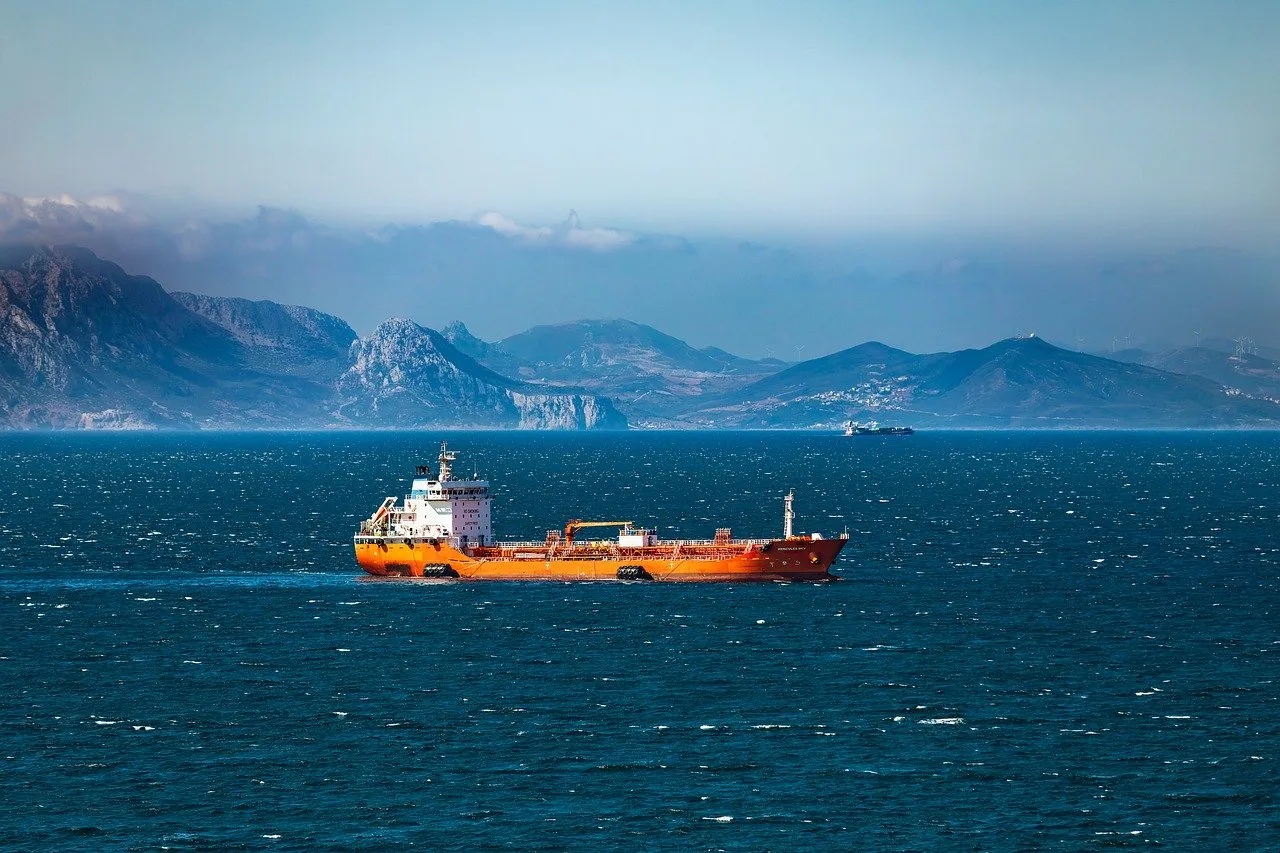
Global oil markets experienced a significant surge in crude prices today after US President Donald Trump unequivocally rejected Iran’s latest diplomatic overture, intensifying an already volatile geopolitical standoff in the Middle East. The rejection, coupled with ongoing disruptions and threats to shipping in the critical Strait of Hormuz, sent shockwaves through energy markets, signaling heightened risks to global oil supply.
Context of Rising Tensions
The current spike in oil prices is rooted in a prolonged period of escalating tensions between the United States and Iran. Relations deteriorated sharply following the Trump administration’s withdrawal from the Joint Comprehensive Plan of Action (JCPOA), commonly known as the Iran nuclear deal, in 2018. This move reinstated stringent economic sanctions on Tehran, particularly targeting its vital oil exports.
Iran, in response, has gradually scaled back its commitments under the nuclear deal and has been involved in a series of incidents in the Persian Gulf, including attacks on oil tankers and drones. A key flashpoint is the Strait of Hormuz, a narrow maritime chokepoint through which approximately one-fifth of the world’s total oil supply passes daily. Threats from Tehran to close the strait in retaliation for sanctions have consistently fueled market anxieties.
Recent weeks saw a glimmer of hope for de-escalation as diplomatic channels were reportedly explored, culminating in Iran’s presentation of a new proposal aimed at reducing tensions. However, President Trump’s swift rejection of this offer has extinguished immediate prospects for a diplomatic breakthrough, pushing the region further towards uncertainty.
Market Reaction and Geopolitical Fallout
Following the news, benchmark crude oil futures, including Brent and West Texas Intermediate (WTI), saw sharp increases, with prices jumping several percentage points in early trading. Brent crude futures, the international benchmark, climbed past $X per barrel, while WTI futures, the US benchmark, also rose significantly. This immediate market reaction underscores the profound impact of geopolitical risk on commodity prices.
The primary driver behind this surge is the perceived threat to oil supply from the Strait of Hormuz. With shipping companies already facing increased insurance premiums and logistical challenges due to the volatile security situation, any further escalation directly impacts the flow of crude. The phrase