




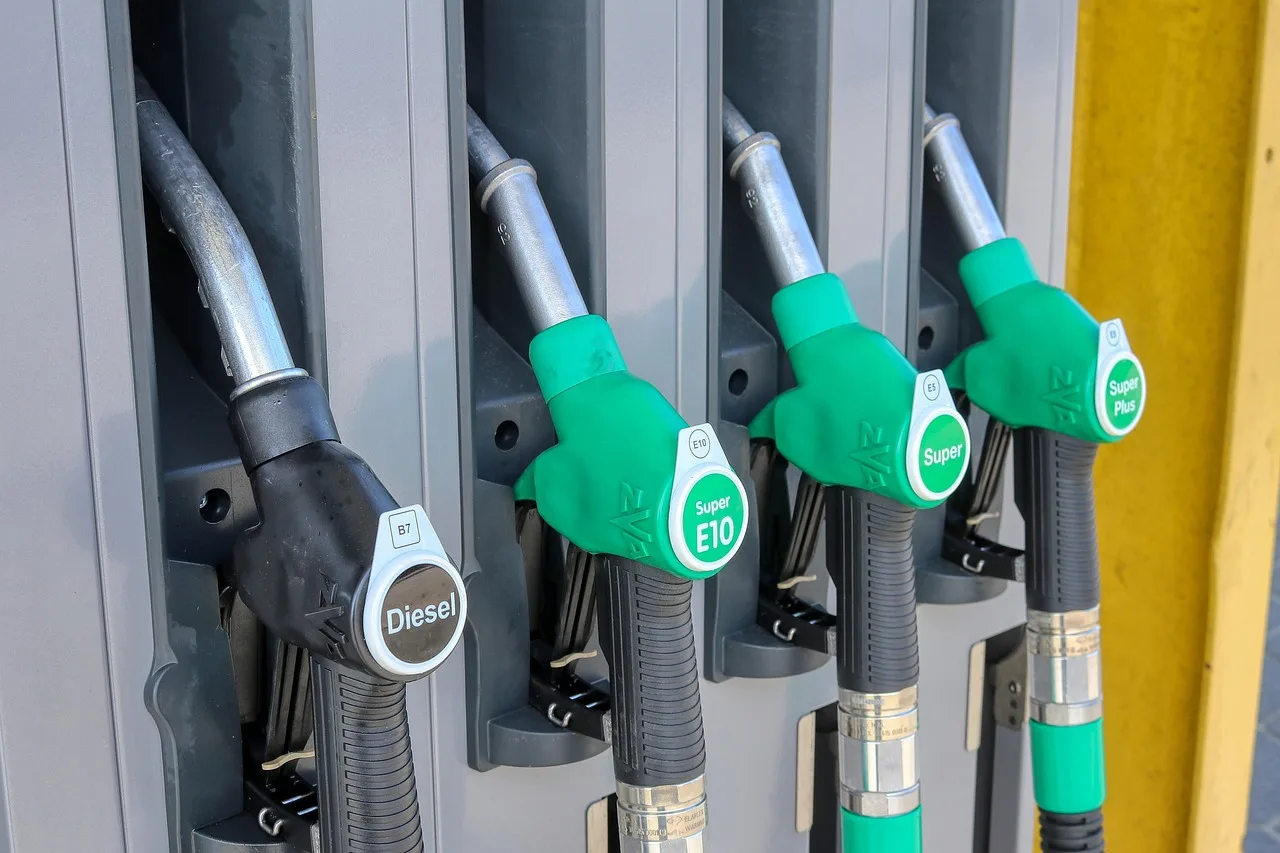
American consumers expressed a profoundly pessimistic outlook on the U.S. economy in May, with sentiment plummeting to a record low, primarily driven by surging gasoline prices, according to the University of Michigan’s widely respected consumer survey released on May 8. The preliminary May Consumer Sentiment Index registered a dismal 48.2, a level comparable to the depths observed in June 2022 when inflation soared above 9 percent.
The University of Michigan’s Consumer Sentiment Index serves as a crucial barometer of consumer confidence, reflecting how Americans feel about their personal finances and the broader economic climate. A low reading typically signals a reluctance to spend, which can have significant repercussions for economic growth, given that consumer spending accounts for a substantial portion of the U.S. economy. The current decline was fueled by a significant 9 percent drop in the index’s current conditions component, indicating immediate financial strain, with expectations for the future showing little improvement. This pronounced downturn follows a period where real (inflation-adjusted) income expectations have continued to fall since March, exacerbating financial anxieties among households nationwide.
Gasoline Prices Emerge as Primary Driver of Discontent
Consumers explicitly pointed to escalating prices as a major source of their economic unease. Joanne Hsu, director of consumer surveys at the University of Michigan, highlighted the outsized role of fuel costs. “About one-third of consumers spontaneously mentioned gasoline prices,” Hsu stated, underscoring the direct and immediate impact of pump prices on household budgets. This sentiment aligns with broader observations that energy costs often act as a highly visible and frequently encountered indicator of inflation for the average American. The cumulative effect of these rising costs is palpable, with Hsu adding, “Taken together, consumers continue to feel buffeted by cost pressures, led by soaring prices at the pump.”
Broader Cost Pressures and Financial Strain
While gasoline prices are a prominent concern, the survey revealed a wider array of cost pressures contributing to the downbeat mood. Approximately 30 percent of consumers also mentioned tariffs, indicating a general apprehension about imported goods and potential price increases across various sectors. These concerns extend beyond daily consumables to significant financial decisions. Consumers reported heightened worries regarding their personal finances and the suitability of current conditions for making major purchases, such as homes, vehicles, and durable goods. This hesitation reflects a cautious approach to spending, as households grapple with reduced purchasing power and a perceived erosion of their savings. The consistent decline in real income expectations since March further solidifies the notion that many Americans feel their financial standing is deteriorating, not improving.
Historical Precedent and Economic Implications
The current sentiment reading of 48.2 is not merely a number; it echoes the economic anxieties of June 2022, a period marked by inflation peaking at over 9 percent. This historical parallel is significant, as such low sentiment levels often precede or coincide with periods of economic slowdown or recessionary fears. While the overall inflation rate has moderated somewhat since its 2022 peak, the persistence of high prices for essential goods, particularly energy, continues to weigh heavily on consumer psychology. The sustained pessimism suggests that previous policy interventions and market adjustments have not fully alleviated the financial burden felt by many families, leading to a prolonged period of caution and uncertainty. The data indicates a fundamental disconnect between some macroeconomic indicators and the lived financial experiences of ordinary Americans.
Expert Insights and Data Points
The University of Michigan’s survey results are based on comprehensive interviews and provide a granular look at consumer attitudes. The 9 percent drop in the “current conditions” component is particularly telling, reflecting an immediate and tangible deterioration in how consumers perceive their financial well-being and the economy around them. This is in contrast to the “expectations” component, which saw little change, suggesting that while current struggles are acute, there isn’t a widespread belief that things will dramatically improve or worsen in the near term. The spontaneous mention of gasoline prices by one-third of respondents, and tariffs by nearly another third, provides qualitative depth to the quantitative decline, pinpointing specific pain points that resonate widely across the population.
This sustained slump in consumer sentiment carries significant implications for the U.S. economy. Businesses reliant on discretionary spending may face headwinds as consumers prioritize necessities and defer major purchases. The Federal Reserve, tasked with managing inflation and employment, will closely monitor these sentiment indicators, as prolonged consumer pessimism could dampen economic activity and potentially influence future monetary policy decisions, including interest rate adjustments. Looking ahead, economists and policymakers will be watching energy markets closely, as any significant relief in gasoline prices could provide a much-needed psychological boost to consumers. Conversely, continued upward pressure on fuel costs, coupled with broader inflationary trends, risks entrenching this pessimistic outlook, potentially leading to a more pronounced slowdown in economic growth. The upcoming inflation reports and subsequent consumer sentiment surveys will offer further clarity on whether this record low is a temporary dip or indicative of a more entrenched period of economic apprehension.