




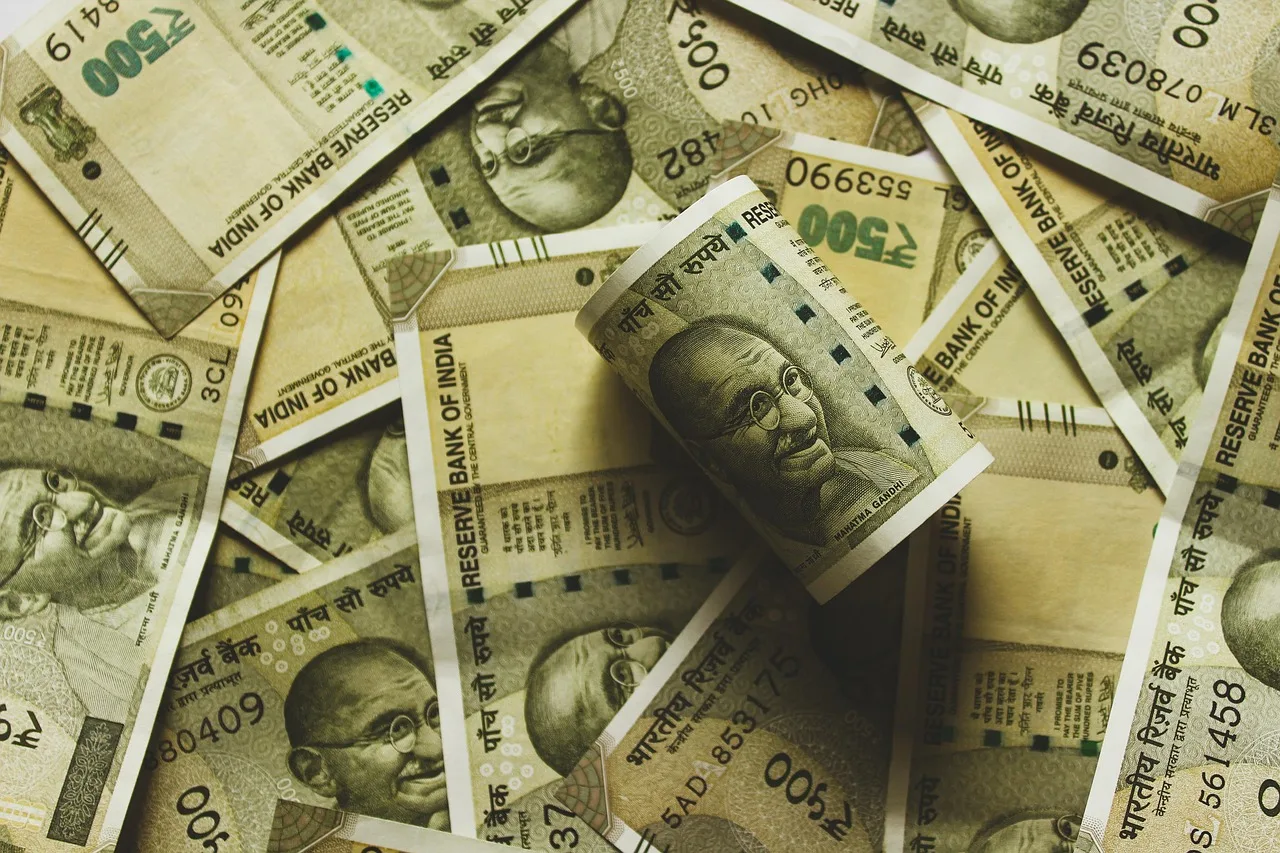
The Indian Rupee recently registered its sharpest monthly decline, plummeting to a new record low close against the US dollar. The currency notably hit 95.31 in a single trading session, primarily triggered by a substantial spike in gold-linked dollar demand across India’s foreign exchange markets, prompting the Reserve Bank of India (RBI) to reportedly intervene by selling dollars to stabilize the currency.
Context: Understanding the Rupee’s Volatility
The exchange rate of the Indian Rupee against the US dollar is a crucial barometer for India’s economic health, reflecting both domestic and global financial dynamics. A weaker Rupee makes imports more expensive, potentially fueling inflation, while making exports more competitive.
This recent depreciation, marking a new all-time low, signals underlying pressures within the Indian financial system. It highlights the currency’s vulnerability to shifts in global economic conditions and significant domestic demand patterns.
Historically, the Rupee has faced periods of volatility, influenced by factors such as global crude oil prices, foreign institutional investment flows, and the overall strength of the US dollar. Reaching a record low underscores a moment of significant economic stress for the currency.
Drivers Behind the Decline
The primary catalyst for this rapid depreciation was identified as a substantial increase in dollar demand tied to gold transactions. India stands as one of the world’s largest consumers of gold, with demand often surging during festive seasons, for cultural events, or as a traditional safe-haven investment.
The purchase of gold from international markets necessitates payment in US dollars, creating a significant outflow of the greenback from India’s forex reserves. This surge in gold-linked dollar demand created a notable imbalance in the market, exerting immense downward pressure on the Rupee.
On one specific day, the currency experienced a sharp decline of 0.9%, initially crashing by 139 paise to 94.90 against the US dollar in early trade. It subsequently settled at a closing rate of 95.31, marking an 82-paise decline for that single day and establishing a new record low.
While gold demand was the immediate trigger, a broader strengthening of the US dollar globally, possibly driven by expectations of tighter monetary policy from the Federal Reserve or safe-haven buying amidst geopolitical uncertainties, also contributed to the Rupee’s weakness.
RBI’s Intervention and Market Dynamics
In response to the escalating pressure and the Rupee’s precipitous fall, market traders reported observing interventions by the Reserve Bank of India (RBI). The central bank is believed to have stepped into the foreign exchange market, selling US dollars from its reserves.
Such interventions are a standard tool employed by central banks to stabilize their domestic currency and prevent excessive volatility. By selling dollars, the RBI aims to increase the supply of the US currency in the market, thereby absorbing Rupee liquidity and propping up its value.
The RBI’s actions are crucial not only for providing immediate liquidity but also for signaling its commitment to maintaining order and confidence in the foreign exchange market. However, the sheer scale of the gold-linked dollar demand proved challenging, indicating the strength of the underlying market forces.
While these interventions can stem an immediate sharp decline, they also lead to a drawdown in the country’s foreign exchange reserves. The effectiveness and sustainability of such interventions depend on the persistence of the demand-supply imbalance and the overall health of the global economy.
Economic Ramifications and Future Outlook
The sustained weakness of the Rupee carries significant implications for various sectors of the Indian economy. Importers, particularly those dealing in crude oil, electronics, and essential capital goods, will face higher costs, which could translate into increased consumer prices and inflationary pressures across the board.
Conversely, exporters might see a temporary boost in competitiveness as their goods become cheaper in dollar terms. However, this benefit can be negated if global demand slows down or if the overall economic instability deters international trade partners.
For consumers, a weaker Rupee means higher prices for imported goods, including fuel and certain electronics. It also increases the cost of foreign education and travel. Businesses with foreign currency-denominated debt will face higher servicing costs in Rupee terms, potentially straining their balance sheets.
Foreign institutional investors (FIIs) may also become more cautious, potentially leading to further capital outflows from Indian equities and debt markets if the currency trend persists. This outflow could exacerbate the Rupee’s depreciation, creating a challenging cycle.
Looking ahead, market participants will closely monitor the RBI’s strategy and its capacity to manage the currency’s trajectory amidst ongoing global economic uncertainties and domestic demand patterns. The trajectory of international crude oil prices, the US Federal Reserve’s monetary policy decisions, and global dollar strength will be key factors to watch.
Additionally, the evolution of gold price trends and domestic gold demand, alongside India’s trade balance and current account deficit, will critically determine whether the Rupee can find a firmer footing or if further depreciation is on the horizon. Investors and businesses should brace for continued volatility and adapt their strategies accordingly.