




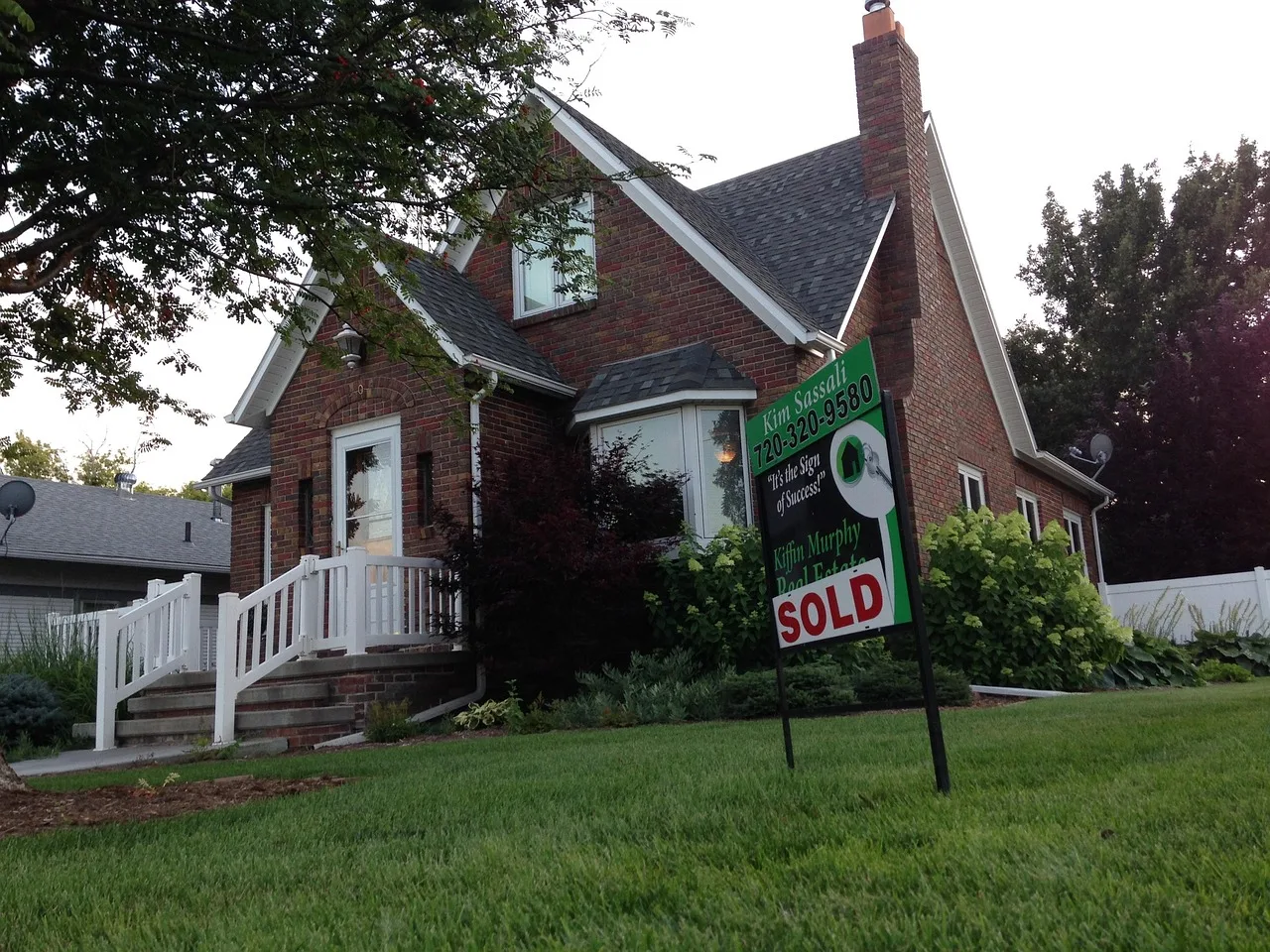
US existing home sales remained largely flat in April, rising a mere 0.2% from March to a seasonally adjusted annual rate of 4.02 million units, according to data released Monday by the National Association of Realtors (NAR), signaling a continued lackluster spring homebuying season across the nation. This marginal increase comes as sales figures showed no change compared to April of last year, highlighting persistent challenges for both buyers and sellers in a market grappling with high interest rates and limited inventory.
Context: A Stalled Housing Market
The housing market has been navigating a complex landscape marked by fluctuating mortgage rates, tight inventory, and affordability concerns for over a year. Existing home sales, which account for the vast majority of residential real estate transactions, are a key indicator of the sector’s health. The spring season traditionally represents the peak period for homebuying activity, with increased listings and buyer demand. However, recent trends suggest a departure from this historical pattern.
For months, potential homebuyers have faced elevated borrowing costs, with the average 30-year fixed mortgage rate hovering near 7%. This financial pressure has significantly impacted purchasing power, particularly for first-time buyers. Simultaneously, many current homeowners, having locked in historically low rates during the pandemic, have been reluctant to sell, exacerbating the inventory shortage and keeping property values stubbornly high in many areas.
Detailed Analysis: The April Stasis
The marginal 0.2% monthly uptick in existing home sales, from 4.01 million units in March to 4.02 million in April, indicates a market struggling to gain momentum. This figure falls short of analyst expectations, which had anticipated a more robust rebound following a slight dip in previous months. The year-over-year stability, showing no change from April 2023, underscores a prolonged period of market stagnation rather than a significant recovery or decline.
Regionally, the market exhibited mixed signals. While some areas, particularly in the Midwest, saw modest increases in sales activity, others, like the West, continued to experience declines, reflecting localized economic conditions and varying affordability pressures. The median existing-home price for all housing types in April rose by 5.7% from the previous year to $407,600, according to NAR data, marking the tenth consecutive month of year-over-year price gains. This persistent appreciation, despite sluggish sales, highlights the severe imbalance between supply and demand.
Inventory levels remain critically low. Total housing inventory at the end of April stood at 1.21 million units, up 9% from March and 16.3% from one year ago. While this represents a slight improvement, it still translates to only a 3.5-month supply at the current sales pace. A balanced market typically features a 5- to 6-month supply, indicating that the market continues to favor sellers, albeit with less urgency than in previous years.
Expert Perspectives and Data Points
Lawrence Yun, NAR’s chief economist, noted that the market is caught in a delicate balance. “Home sales are trying to recover, but the limited inventory and high mortgage rates are acting as significant headwinds,” Yun stated. “Despite the slight monthly increase, the market remains constrained, and many potential buyers are on the sidelines awaiting more favorable conditions.”
Data from Freddie Mac indicates that the average 30-year fixed-rate mortgage was around 7.22% in late April, a significant increase from the sub-3% rates seen just a few years ago. This substantial rise in borrowing costs means that a buyer purchasing a median-priced home today could be paying hundreds of dollars more per month in mortgage payments compared to previous years, even if the home price itself has not dramatically increased.
The impact is particularly acute for first-time buyers, who often lack the equity from a previous home sale to offset higher prices and rates. The share of first-time buyers in April was 33%, a figure that has remained relatively consistent but still below historical averages, suggesting ongoing challenges for new entrants to the market.
Implications: What’s Next for the Housing Market
For prospective homebuyers, the flat sales figures suggest that competition, while perhaps less frantic than during the pandemic boom, remains robust for desirable properties, especially those that are appropriately priced. Patience and financial preparedness, including pre-approval for mortgages, continue to be crucial. Buyers should also be prepared for sustained high prices and borrowing costs in the near term.
Sellers, while still holding some leverage due to low inventory, may need to adjust their expectations regarding pricing and the speed of sale. The era of multiple, over-asking-price offers within days appears to be waning in many markets. Strategic pricing and effective staging are becoming increasingly important to attract serious buyers.
Looking ahead, the trajectory of the housing market will largely depend on key economic indicators, particularly inflation and the Federal Reserve’s monetary policy. Any significant reduction in the federal funds rate could lead to a corresponding decrease in mortgage rates, potentially injecting new energy into buyer demand. Conversely, persistent inflation could keep rates elevated, prolonging the current market stagnation.
The supply side also bears watching. Efforts to increase housing construction, particularly of entry-level homes, could help alleviate the inventory crunch over time. However, challenges related to labor shortages, material costs, and zoning regulations continue to impede rapid expansion. As the market lurches forward, stakeholders will be closely monitoring mortgage rate movements, inventory trends, and broader economic stability for any signs of a definitive shift.