




Portugal is actively seeking to deepen its economic ties with India, leveraging its advanced expertise in renewable energy, industrial equipment, and digital technologies to complement India’s ambitious infrastructure and industrialization agenda. This strategic push was articulated by Portugal’s Secretary of State for Economy, João Rui Ferreira, in New Delhi on May 11, speaking on the sidelines of the CII Annual Business Summit 2026, as discussions around the India-EU Free Trade Agreement (FTA) near their conclusive stages, potentially finalizing next year.
Context: A Strategic Partnership on the Horizon
The potential for enhanced economic collaboration between Portugal and India comes at a pivotal moment, with both nations recognizing significant mutual benefits. India is currently undergoing a massive industrialization drive and an infrastructure boom, aiming for substantial economic growth by 2047. Simultaneously, the European Union and India are engaged in critical “final discussions” for a comprehensive Free Trade Agreement. This FTA is anticipated to create a stable and predictable regulatory framework, fostering increased trade and investment flows between the two blocs, encompassing over 450 million consumers in Europe and India’s vast market.
Portugal has been a strong proponent of the India-EU FTA since its inception, viewing it as essential for establishing clear rules and standards that benefit companies on both sides. The agreement is expected to transcend traditional tariff reductions, unlocking broader areas of complementarity and cooperation.
Deepening Economic Complementarity
João Rui Ferreira emphasized the concept of “complementarity” as the cornerstone of the burgeoning relationship. He noted that Portugal’s know-how, technology, talent, and skills align perfectly with India’s requirements for scale and industrial growth. “Portuguese business, Portuguese companies have here a good opportunity,” Ferreira stated, highlighting India’s emergence as a “global market for Portuguese companies to expand their business.”
Several key sectors have been identified for immediate and significant collaboration:
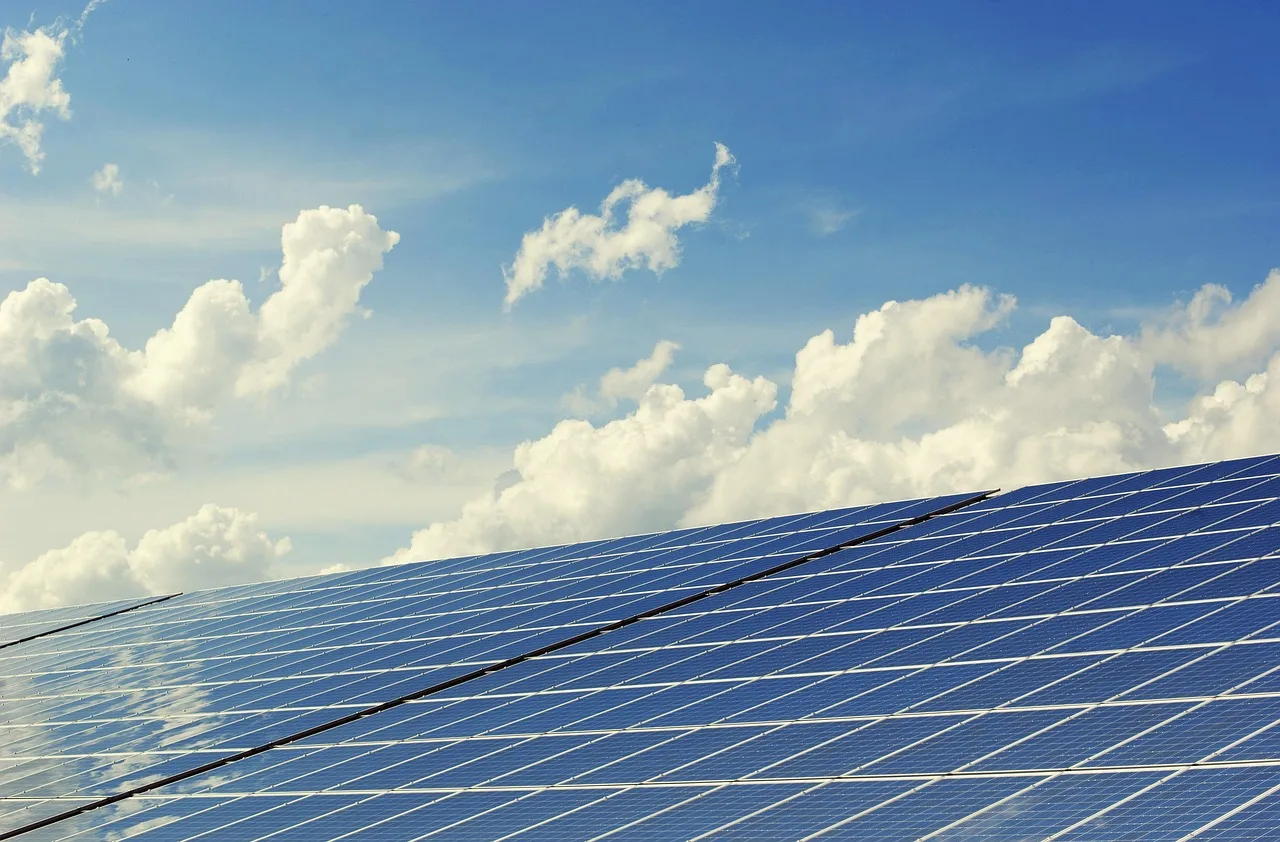
- **Renewable Energy:** Portugal stands as a leader in clean energy, with approximately 80% of its energy consumption derived from renewable sources. Ferreira indicated that Portugal is well-positioned to share its knowledge and competencies to support India’s ambitious clean energy transition goals, presenting a clear “win-win situation.”
- **Industrial Equipment and Technology:** Portuguese firms specializing in tooling, machinery, and various industrial equipment see substantial opportunities to partner with India’s manufacturing and industrialization efforts. This includes contributing advanced technologies and expertise to enhance productivity and efficiency within Indian industries.
- **Digital Transition:** With a global push towards digitalization, Portugal’s advancements in digital technologies offer another avenue for collaboration, supporting India’s digital transformation initiatives across various sectors.
Beyond these core industrial and energy sectors, tourism is also emerging as a significant area of collaboration. Portugal is actively positioning itself as an attractive destination for Indian travelers, serving not only as a European gateway but also providing access to Portuguese-speaking countries. Ferreira noted a growing interest from Indian tourists in Portugal.
Expert Perspectives and Data Points
The Portuguese Secretary of State’s observations are supported by tangible data, such as Portugal’s impressive 80% renewable energy consumption figure, which underscores its credibility as a knowledge partner in sustainable energy. His remarks underline a strategic alignment where Portugal’s specialized capabilities can meet India’s large-scale development needs. The anticipated India-EU FTA is expected to formalize and accelerate these partnerships by providing a robust legal and economic framework.
Ferreira articulated the dual benefit of the FTA: “From one side access to a global market of 450 million consumers in Europe with the right standards, the right conditions and in the other side in order to answer to this 2047 agenda a global impact in European economies to open this to this scale in Indian market.” This statement illustrates the strategic economic vision driving the agreement.
Implications and What to Watch Next
The deepening economic ties between Portugal and India, bolstered by the impending India-EU FTA, signal a significant shift towards diversified and resilient global supply chains. For businesses on both sides, this means enhanced market access, reduced trade barriers, and a more predictable operational environment. Indian companies will gain better access to the vast European market, while Portuguese firms will find new avenues for growth and expansion within India’s rapidly expanding economy.
The emphasis on renewable energy and digital transition also points to a future-oriented partnership focused on sustainable development and technological advancement. Investors and businesses should closely monitor the finalization of the India-EU FTA, which is expected as early as next year. Its successful conclusion will likely unleash a wave of new bilateral projects and investments, particularly in the identified sectors of energy, industrial manufacturing, and digital services. The global geopolitical environment, as Ferreira noted, necessitates stability for business to thrive, and the move towards robust, predictable trade agreements like the EU-India FTA is a critical step in fostering such an environment and reducing reliance on volatile fossil fuels.