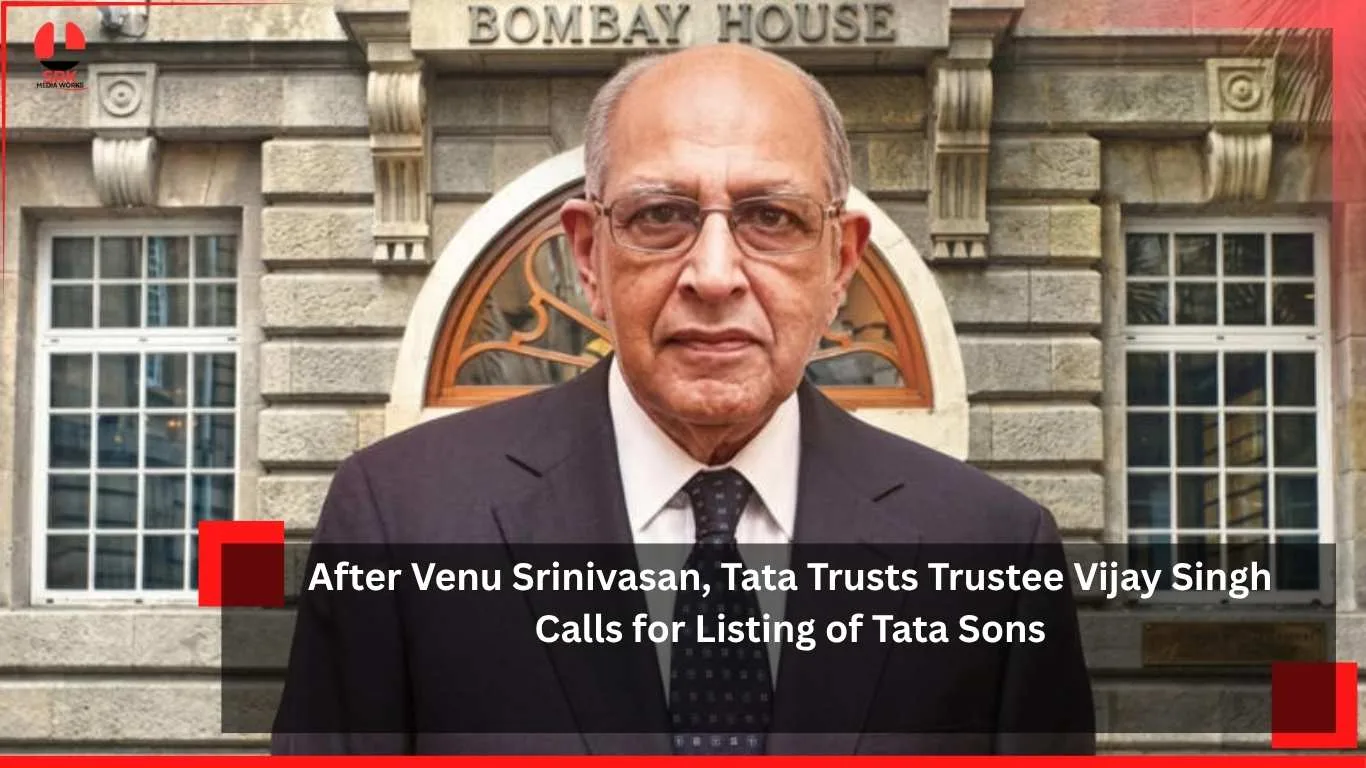

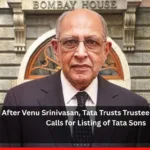




In a significant development that could shape the future of India’s most storied business conglomerate, Tata Trusts has reportedly urged Tata Sons to remain a privately held company while working on a solution to provide an exit route to the Shapoorji Pallonji (SP) Group, its largest minority shareholder. The move comes amid rising speculation over Tata Sons’ potential plans for a public listing, which has drawn considerable interest from global investors and analysts alike.
Tata Trusts, which holds a majority stake in Tata Sons through multiple charitable and public interest foundations, is said to have communicated its preference for keeping the holding company private in order to maintain tighter control over the strategic direction of the $300 billion Tata Group.
The SP Group, led by the Mistry family, currently owns 18.4% of Tata Sons. However, following years of tension — particularly after the ouster of Cyrus Mistry as Chairman of Tata Sons in 2016 — the two entities have remained locked in a legal and corporate impasse. The Supreme Court, in its 2021 judgment, upheld Tata Sons’ rights but also acknowledged the need for a fair and equitable solution regarding the SP Group’s exit.
Strategic Imperative: Retaining Control and Stability
Tata Trusts’ push to retain Tata Sons as a private limited entity is anchored in concerns about the risks of a public listing, including potential dilution of control, increased regulatory scrutiny, exposure to hostile takeovers, and volatile market dynamics. Being a private company allows Tata Sons to operate with greater agility, strategic discretion, and long-term focus.
Sources close to the matter suggest that Tata Trusts believes that the legacy of the group — built over 155 years — would be best preserved by avoiding the pressures and compulsions of quarterly reporting and shareholder activism. The Trusts have reportedly asked Tata Sons to explore alternative avenues, such as a structured buyback or capital restructuring, to facilitate the SP Group’s exit.
Breakdown of Current Shareholding in Tata Sons
| Shareholder | Stake (%) | Role/Comments |
|---|---|---|
| Tata Trusts | 66% (approx.) | Majority holder; driven by philanthropic objectives |
| SP Group (Mistry family) | 18.4% | Minority shareholder; seeking exit route |
| Tata Sons’ Management & Others | 15.6% | Includes Tata group companies and board nominees |
Valuation Challenge and Exit Complexity
The valuation of the SP Group’s stake in Tata Sons remains a contentious issue. While some estimates peg the value of its stake between ₹1.75 to ₹2 lakh crore, arriving at a fair market price is complex given Tata Sons is unlisted and has several subsidiaries across various sectors — from TCS and Tata Motors to Tata Power and Titan.
Key Challenges in SP Group Exit:
| Area | Challenges |
|---|---|
| Valuation | No public market benchmark; internal audit vs. market pricing |
| Cash or Stock Exit | Unclear whether Tata Sons will offer cash, shares in group firms, or hybrids |
| Legal Approval | Requires board approval, regulatory clearances, and possibly court oversight |
| Strategic Implication | Will affect Tata Group governance and financial structure |
There is also a possibility that an external investor or sovereign wealth fund could be roped in to acquire SP Group’s stake, provided Tata Trusts and Tata Sons’ board approve such a transaction. However, that route brings its own complications, including alignment on long-term governance values.
Why Staying Private Matters for Tata Sons
By staying private, Tata Sons can preserve the group’s unique balance between capitalism and social responsibility. Unlike other Indian conglomerates, a significant portion of Tata Sons’ profits go into philanthropic initiatives via Tata Trusts, which fund education, healthcare, rural upliftment, and research.
Benefits of Staying Private for Tata Sons:
- Strategic Freedom: Enables long-term planning without public market pressure
- Stronger Governance: Ensures Trusts continue to exert control aligned with values
- Avoids Market Volatility: Shields from cyclical investor sentiment and speculation
- Smoother Succession: Internal transitions can be managed discreetly and effectively
- Alignment with Tata Ethos: Keeps social missions integrated into business decisions
A public listing would necessitate dilution of stakes, higher public disclosures, and compliance burdens, potentially distracting the board from core issues of business strategy and value creation.
Potential Exit Options for SP Group
With the Trusts’ disapproval of a public listing, alternative options being explored reportedly include:
- Tata Sons Share Buyback: A staged repurchase of SP Group’s 18.4% stake
- Special Purpose Vehicle (SPV): Creation of an SPV to raise funds through bonds or equity to buy out SP
- Third-party Investment: A private equity consortium or sovereign fund acquires SP’s stake, subject to due diligence
- Asset Swap: Offering SP Group stakes in listed Tata companies in exchange for Tata Sons’ equity
- Deferred Exit Plan: A multi-year phased exit linked to future valuations or milestones
None of these are easy, as they require intricate legal structuring, significant capital allocation, and alignment between multiple stakeholders.
Legal and Regulatory Framework
Any potential exit deal must be structured within the bounds of the Companies Act, SEBI regulations (if listing is ever considered), RBI’s FEMA guidelines, and the directives of the Supreme Court ruling. Tata Sons was also converted into a private limited company in 2017, which limits the public trading of its shares.
The Supreme Court ruling in 2021 rejected all allegations made by SP Group, but also made it clear that an “amicable and fair exit” should be considered, leaving the door open for negotiated settlements.
The Way Forward
According to insiders, the issue is expected to be deliberated further in upcoming board meetings of both Tata Sons and Tata Trusts. Legal advisers from both camps are believed to be working toward a mutually acceptable framework that avoids prolonged litigation and public attention.
The Tata Group has historically handled disputes with discretion, and observers expect a resolution that protects legacy, ensures fairness, and sustains group cohesion.
Broader Implications
The Tata-SP issue has become a case study in Indian corporate governance, highlighting the importance of shareholding structures, succession planning, and balancing legacy with modern business imperatives.
Key Learnings from the Tata-SP Group Standoff:
- Long-term stakeholder alignment is critical in family-business-cum-trust models
- Shareholder disputes can impact corporate perception and investor confidence
- Transparent and structured exits can avoid prolonged legal and reputational damage
- Governance frameworks must evolve with business scale and ownership diversity
India Inc. is watching this carefully, as the resolution could set precedents for managing complex ownership dynamics in conglomerates and joint venture exits.
Disclaimer: This article is based on reports and market insights available as of July 2025. Actual events, figures, or outcomes may vary. The content does not represent official positions of any parties mentioned and is not intended as investment advice.