



The Indian government recently launched the SEHAT (Systematic Engagement for Health and Agriculture Transformation) mission nationwide, an ambitious initiative designed to integrate traditional farming practices with holistic health outcomes. This strategic move aims to build a robust, integrated system for improving human well-being across the country by leveraging India’s rich heritage of indigenous agriculture and traditional medicine.
Contextualizing India’s Holistic Health Push
India, with its vast and diverse population, faces a dual burden of disease: persistent infectious diseases alongside a rapidly rising incidence of non-communicable diseases (NCDs) such as diabetes, cardiovascular ailments, and certain cancers. The conventional healthcare model, often focused on curative rather than preventive care, struggles to address these complex health challenges effectively. Simultaneously, decades of intensive agriculture have led to concerns about soil degradation, chemical contamination, and the nutritional value of food.
Against this backdrop, the concept of ‘One Health’—recognizing the interconnectedness of human, animal, and environmental health—has gained prominence. India’s ancient wisdom, encapsulated in systems like Ayurveda, Yoga, and traditional farming methods, inherently embodies this holistic philosophy. The SEHAT mission, therefore, represents a national effort to formalize and scale these traditional approaches, shifting the focus towards preventive health through sustainable, nutrient-rich food systems.
SEHAT Mission: A Multi-pronged Approach
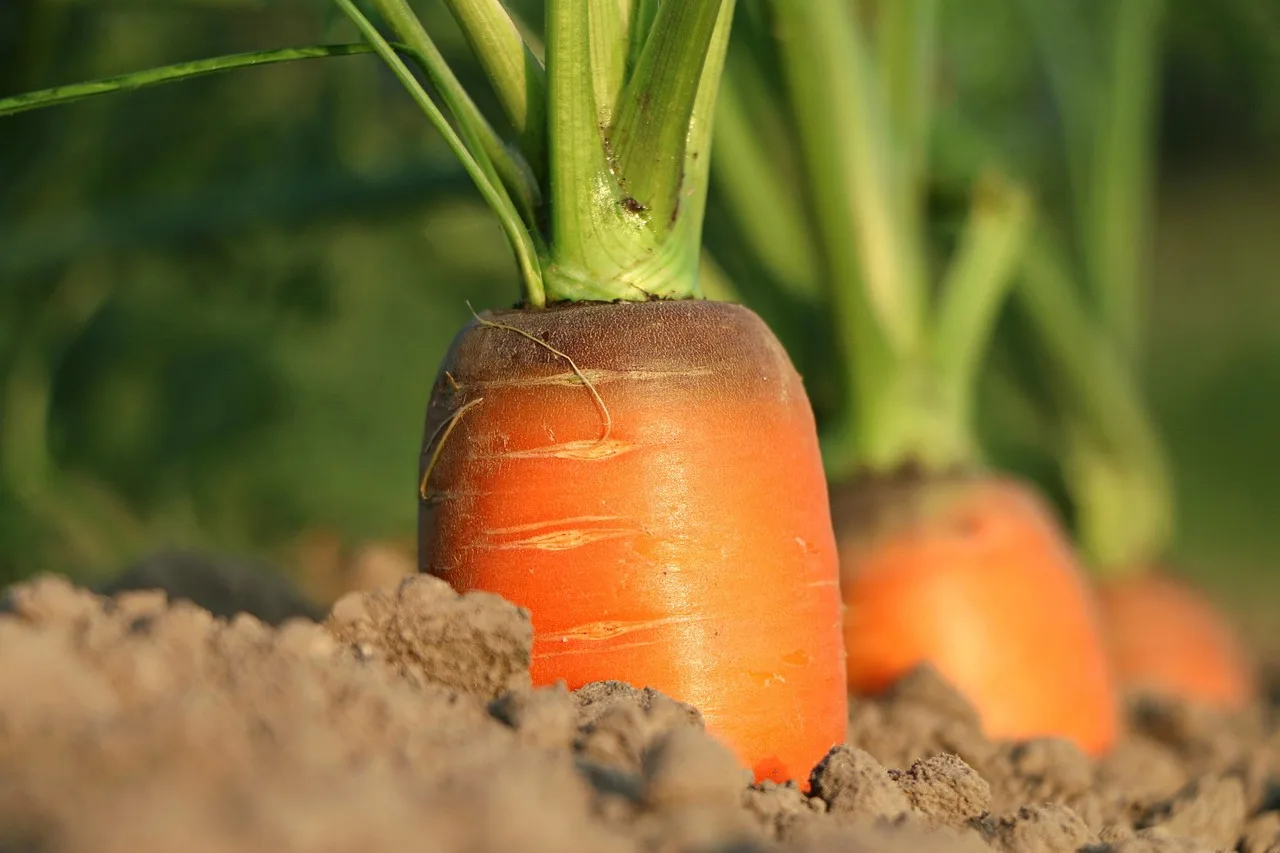
The SEHAT mission is structured around several key pillars, each designed to foster a synergistic relationship between agriculture and health. At its core, the initiative seeks to promote traditional and organic farming practices that prioritize soil health, biodiversity, and the absence of harmful chemicals. This includes encouraging farmers to cultivate indigenous crop varieties known for their nutritional superiority and resilience.
A significant component involves integrating traditional Indian medicine systems, such as Ayurveda, Yoga, Unani, Siddha, and Homoeopathy (AYUSH), into primary healthcare. This integration extends beyond mere co-existence, aiming for collaborative treatment protocols and health promotion programs. For instance, local health centers may offer guidance on dietary practices based on traditional knowledge, alongside modern medical advice, emphasizing holistic well-being.
Furthermore, the mission focuses on robust research and development. This includes scientific validation of traditional farming techniques and the medicinal properties of various food crops and herbs. Data collection on the health impacts of consuming traditionally grown produce will be crucial for refining the mission’s strategies and demonstrating its efficacy. Public awareness campaigns form another vital pillar, educating communities about the benefits of traditional diets, sustainable farming, and preventive health measures.
Expert Perspectives and Data-Driven Insights
Public health experts widely commend the SEHAT mission for its forward-thinking approach. “This initiative marks a crucial paradigm shift from a disease-centric model to a wellness-centric one,” states Dr. Anjali Rao, a renowned public health specialist at the National Institute of Nutrition. “By linking the farm to the clinic, we are addressing health determinants at their root, improving food quality, and empowering communities with traditional knowledge.”
Data from the Indian Council of Medical Research (ICMR) indicates that dietary factors contribute significantly to the burden of NCDs in India. Reports suggest that a shift towards nutrient-dense, locally sourced, and chemical-free food could substantially reduce healthcare costs and improve public health outcomes. Early pilot projects in states like Kerala and Uttarakhand, which have historically embraced traditional agricultural and medicinal practices, have shown promising results in improving community health indicators and farmer livelihoods, providing a strong precedent for the nationwide SEHAT rollout.
Agricultural scientists also highlight the ecological benefits. “Promoting indigenous crop varieties and organic farming under SEHAT will not only enhance food security but also restore soil vitality and biodiversity, crucial for long-term environmental sustainability,” explains Professor Rajesh Kumar, an agronomist at Punjab Agricultural University. “This approach reduces reliance on chemical fertilizers and pesticides, mitigating their adverse effects on both human health and the environment.”
Broader Implications and Future Outlook
The SEHAT mission carries profound implications for various sectors. For the average Indian citizen, it promises access to healthier, chemical-free food and a healthcare system that embraces both modern and traditional healing modalities. Farmers stand to benefit from new markets for organic and traditional produce, potentially leading to increased income and more sustainable livelihoods. The mission could also spur innovation in agri-tech and traditional medicine research, attracting investment and fostering new economic opportunities.
Globally, SEHAT positions India as a leader in integrating traditional knowledge with modern public health strategies, offering a potential blueprint for other developing nations grappling with similar health and environmental challenges. The initiative could also contribute to global dialogues on sustainable development, food security, and holistic well-being.
Moving forward, the success of SEHAT will hinge on effective inter-ministerial coordination, adequate funding, robust research to validate traditional claims, and widespread public participation. Challenges such as scaling up organic farming infrastructure, ensuring quality control for traditional products, and overcoming skepticism towards non-allopathic treatments will need careful navigation. Continuous monitoring and evaluation, coupled with adaptive policy-making, will be essential to realize the full potential of India’s ambitious journey towards integrated health and agriculture.