



Skip to content
May 13, 2026
  • About Us
  • Privacy Policy
  • Disclaimer
  • Terms and Conditions
  • Contact us
srkanalytics.com

srkanalytics.com

  • Home
  • Markets
  • Business
  • IPOs
  • Startup
  • Economy
  • Global Business
Headlines
  • Private-Credit Firm Implosion Reveals $1.7 Billion Shortfall, Luxury Assets Seized

    Private-Credit Firm Implosion Reveals $1.7 Billion Shortfall, Luxury Assets Seized

    31 seconds ago
  • Jho Low Seeks Trump Pardon Amidst Decade-Long 1MDB Fugitive Hunt

    Jho Low Seeks Trump Pardon Amidst Decade-Long 1MDB Fugitive Hunt

    8 minutes ago
  • Wall Street's Mounting Anxiety Over Entrenched Long-Term Inflation

    Wall Street’s Mounting Anxiety Over Entrenched Long-Term Inflation

    12 minutes ago
  • Inflation Jolt Rattles Markets: Nasdaq Recovers, Bond Yields Soar to One-Year High

    Inflation Jolt Rattles Markets: Nasdaq Recovers, Bond Yields Soar to One-Year High

    14 minutes ago14 minutes ago
  • Australian Gold Miners Shine in Global Market Talk Amid Surging Commodity Prices

    Australian Gold Miners Shine in Global Market Talk Amid Surging Commodity Prices

    14 hours ago
  • JPMorgan Case Highlights Corporate Dilemma: The Art of Employee Payouts

    JPMorgan Case Highlights Corporate Dilemma: The Art of Employee Payouts

    14 hours ago
  • Home
  • Economy
  • India’s Economic Resilience Tested: Fuel Price Hikes Eyed Amid Global Risks
  • Economy

India’s Economic Resilience Tested: Fuel Price Hikes Eyed Amid Global Risks

Business News Desk1 day ago04 mins mins
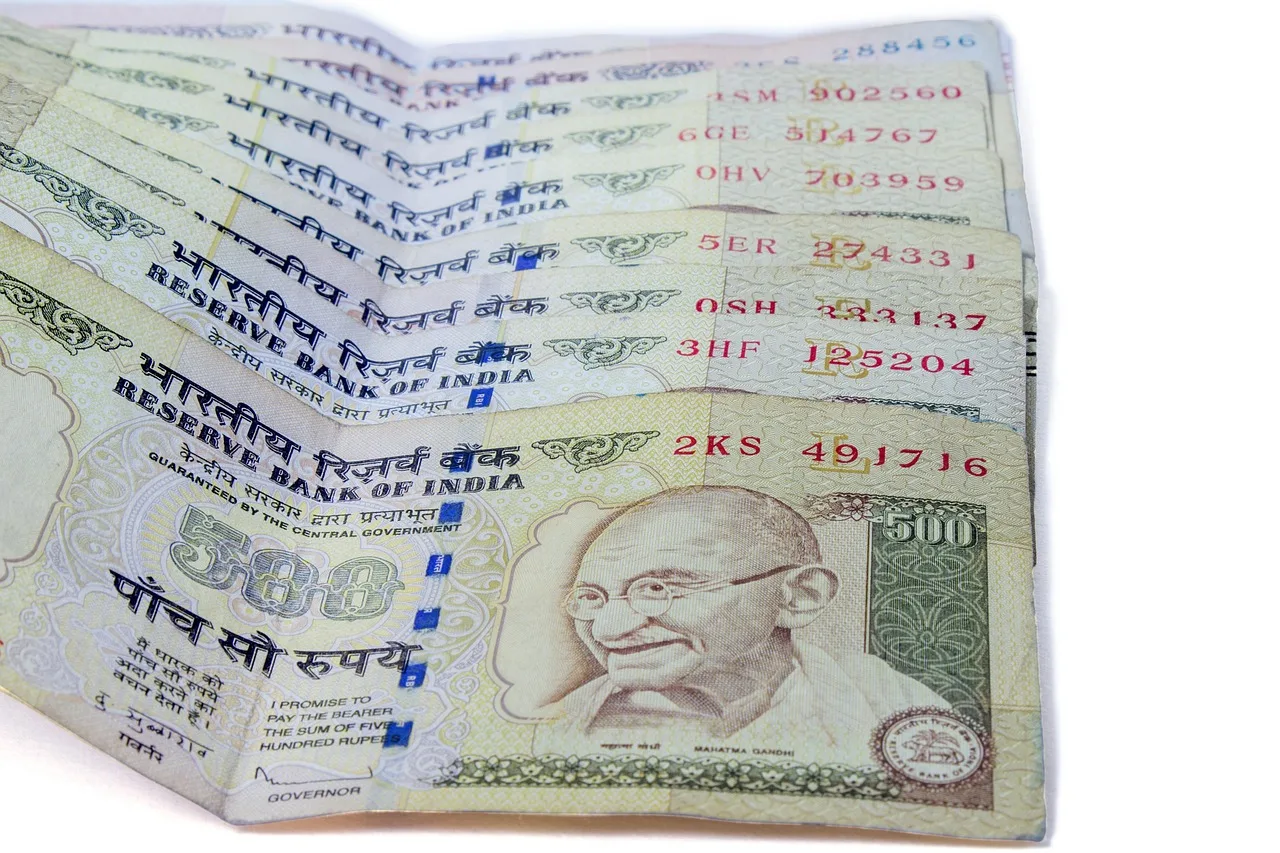
India's Economic Resilience Tested: Fuel Price Hikes Eyed Amid Global Risks Photo by rupixen on Pixabay

Experts caution that while India stands on firmer economic ground today compared to the challenging period of 2013, strategic and potentially sensitive measures, including selective fuel price adjustments and robust current account deficit (CAD) management, may be necessary to navigate evolving external risks and bolster the Indian rupee.

The Shadow of 2013: A Crucial Comparison

To fully grasp the current economic discourse, it is imperative to revisit the 2013 ‘Taper Tantrum,’ an event triggered by the U.S. Federal Reserve’s announcement of a potential reduction in its quantitative easing program. This global monetary shift led to a significant outflow of foreign capital from emerging markets, including India.

During that period, India faced a confluence of vulnerabilities: a high current account deficit, persistent inflation, and dwindling foreign exchange reserves. The rupee depreciated sharply, and the economy experienced considerable instability, necessitating urgent policy interventions to restore investor confidence.

India’s Strengthened Position: A Decade On

Today, a decade later, India presents a more resilient economic picture. Foreign exchange reserves are substantially higher, providing a robust buffer against external shocks. The Reserve Bank of India (RBI) has demonstrated a more proactive and agile approach to monetary policy, focusing on inflation targeting and macroeconomic stability.

Government reforms aimed at improving fiscal discipline and attracting foreign direct investment have also contributed to a stronger fundamental position. A more diversified export basket and reduced reliance on specific import categories, though oil remains a critical factor, also enhance the nation’s economic shock absorption capacity.

Navigating External Headwinds: The Role of Fuel Prices

Despite improved fundamentals, global economic uncertainties persist, driven by geopolitical tensions, supply chain disruptions, and fluctuating commodity prices. Crude oil prices, in particular, remain a significant external risk for India, a major net importer.

Economists suggest that selective fuel price hikes could serve as a mechanism to manage the current account deficit. By passing on higher global oil prices to domestic consumers, demand for fuel can be moderated, thereby reducing the overall import bill. This measure also aligns domestic prices more closely with international benchmarks, potentially easing the fiscal burden on the government from subsidies.

However, such a move carries significant political and economic sensitivities. Fuel price increases can trigger inflationary pressures across various sectors, impacting household budgets and potentially dampening consumer sentiment. Policymakers face the delicate task of balancing macroeconomic stability with public welfare.

Beyond Fuel: Broader CAD Management Strategies

While fuel price adjustments are one tool, experts emphasize a multi-pronged approach to CAD management. Promoting exports through policy support, attracting stable foreign direct investment, and judiciously managing non-essential imports are crucial components.

Strengthening domestic manufacturing capabilities and fostering innovation can also reduce import dependency over the long term. Analysts point to continued efforts in infrastructure development and ease of doing business as vital for sustaining capital inflows and supporting the rupee’s stability.

Implications for the Economy and Citizens

Should the government opt for fuel price adjustments, consumers would likely face increased transportation costs and a potential rise in the prices of goods and services, as businesses pass on higher input costs. This could necessitate careful financial planning for households and businesses alike.

For the broader economy, successful management of external risks through these measures could lead to greater rupee stability, lower imported inflation over time, and sustained investor confidence. A stable macroeconomic environment is fundamental for attracting long-term capital and fostering sustainable economic growth.

As global economic dynamics continue to evolve, policymakers will closely monitor international crude oil prices, global interest rate movements, and domestic inflation trends. The prudent calibration of fiscal and monetary policies, alongside structural reforms, will be key to ensuring India’s continued resilience and progress in the face of ongoing external challenges.

Tagged: CAD Current Account Deficit economic resilience external risks Fuel Prices India economy inflation monetary policy Rupee Taper Tantrum

Post navigation

Previous: HG Infra Secures ₹3,931-Crore Maharashtra Highway Project
Next: India Unveils SEHAT Mission: Integrating Traditional Farming for Holistic Health

Leave a Reply Cancel reply

Your email address will not be published. Required fields are marked *

Related News

UAE's OPEC Exit: A Catalyst for Global Energy Market Volatility and India's Resilience Drive Photo by Az1975 on Pixabay

UAE’s OPEC Exit: A Catalyst for Global Energy Market Volatility and India’s Resilience Drive

Business News Desk1 day ago1 day ago 0
SEBI Launches PaRRVA: Ushering in a New Era of Transparency in Financial Market Claims Photo by 3844328 on Pixabay

SEBI Launches PaRRVA: Ushering in a New Era of Transparency in Financial Market Claims

Business News Desk1 day ago1 day ago 0
US Federal Reserve Holds Rates Steady Amidst Deep Divisions, Powell's Exit Looms Photo by F1Digitals on Pixabay

US Federal Reserve Holds Rates Steady Amidst Deep Divisions, Powell’s Exit Looms

Business News Desk1 day ago1 day ago 0
Indian Public Sector Banks Bolster Workforce Amidst Robust Asset Resolution Efforts Photo by nattanan23 on Pixabay

Indian Public Sector Banks Bolster Workforce Amidst Robust Asset Resolution Efforts

Business News Desk1 day ago1 day ago 0
https://www.profitablecpmratenetwork.com/us1yhks2?key=ce75ab72c9e464df577968454cacb31b

Recent Posts

  • Private-Credit Firm Implosion Reveals $1.7 Billion Shortfall, Luxury Assets Seized
  • Jho Low Seeks Trump Pardon Amidst Decade-Long 1MDB Fugitive Hunt
  • Wall Street’s Mounting Anxiety Over Entrenched Long-Term Inflation
  • Inflation Jolt Rattles Markets: Nasdaq Recovers, Bond Yields Soar to One-Year High
  • Australian Gold Miners Shine in Global Market Talk Amid Surging Commodity Prices

Recent Comments

  1. Williamhon on How Lord Swraj Paul’s Hostile Takeover Attempt Sparked the Birth of India’s ‘Bombay Club’
  2. Williamhon on How Lord Swraj Paul’s Hostile Takeover Attempt Sparked the Birth of India’s ‘Bombay Club’
  3. Williamhon on How Lord Swraj Paul’s Hostile Takeover Attempt Sparked the Birth of India’s ‘Bombay Club’
  4. Williamhon on How Lord Swraj Paul’s Hostile Takeover Attempt Sparked the Birth of India’s ‘Bombay Club’
  5. Williamhon on How Lord Swraj Paul’s Hostile Takeover Attempt Sparked the Birth of India’s ‘Bombay Club’

Archives

  • May 2026
  • April 2026
  • March 2026
  • February 2026
  • January 2026
  • December 2025
  • November 2025
  • October 2025
  • September 2025
  • August 2025
  • July 2025
  • June 2025

Categories

  • Automotive Innovations
  • Business
  • Business Analysis
  • Business and Finance
  • Business Finance
  • Business Insights
  • Business Technology
  • Culture & Society
  • E-Commerce Insights
  • Economy
  • Finance
  • Global Business
  • IPOs
  • Markets
  • Pharmaceutical Industry
  • Startup
  • Technology
  • Technology Investments
All Rights Reserved- SRK Analytics & Consulting Private Limited - 2025 Powered By BlazeThemes.
  • About Us
  • Privacy Policy
  • Disclaimer
  • Terms and Conditions
  • Contact us