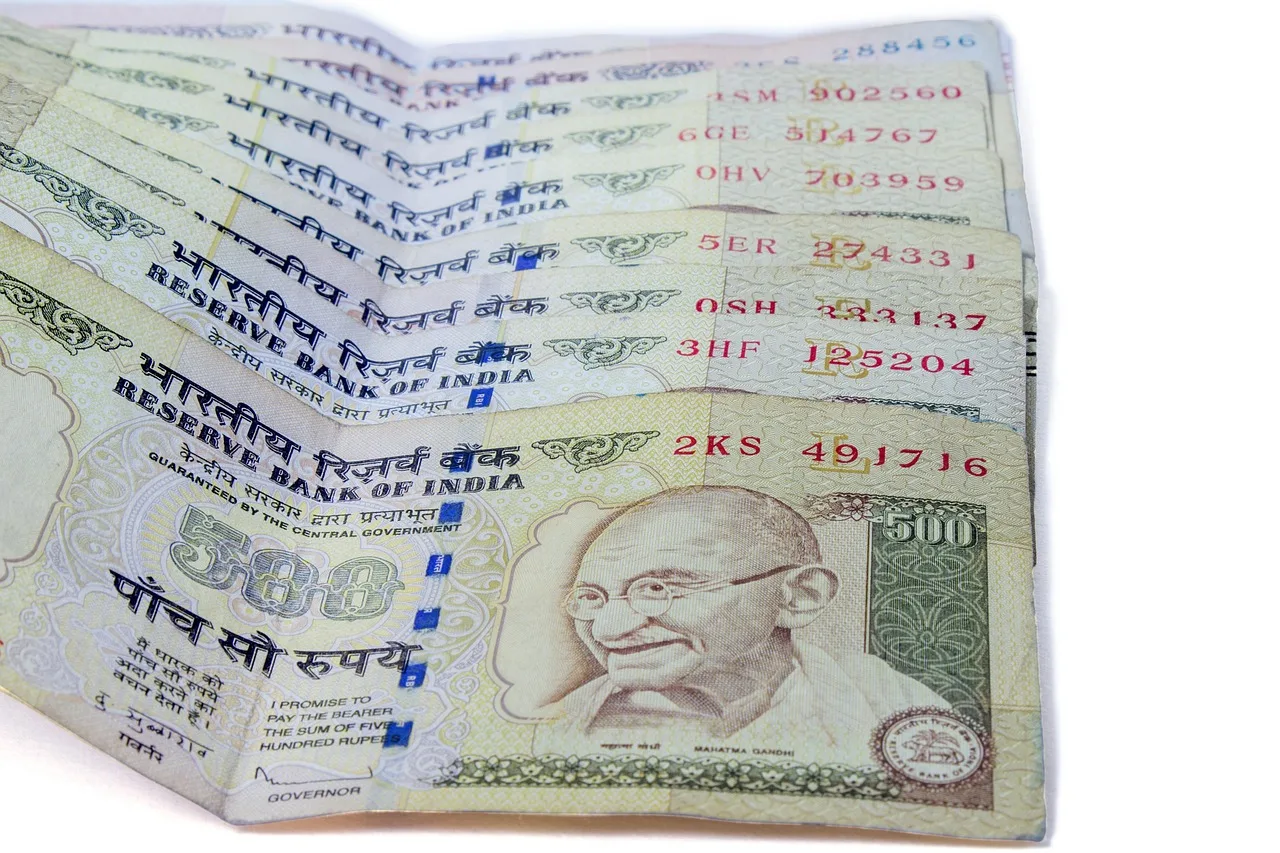




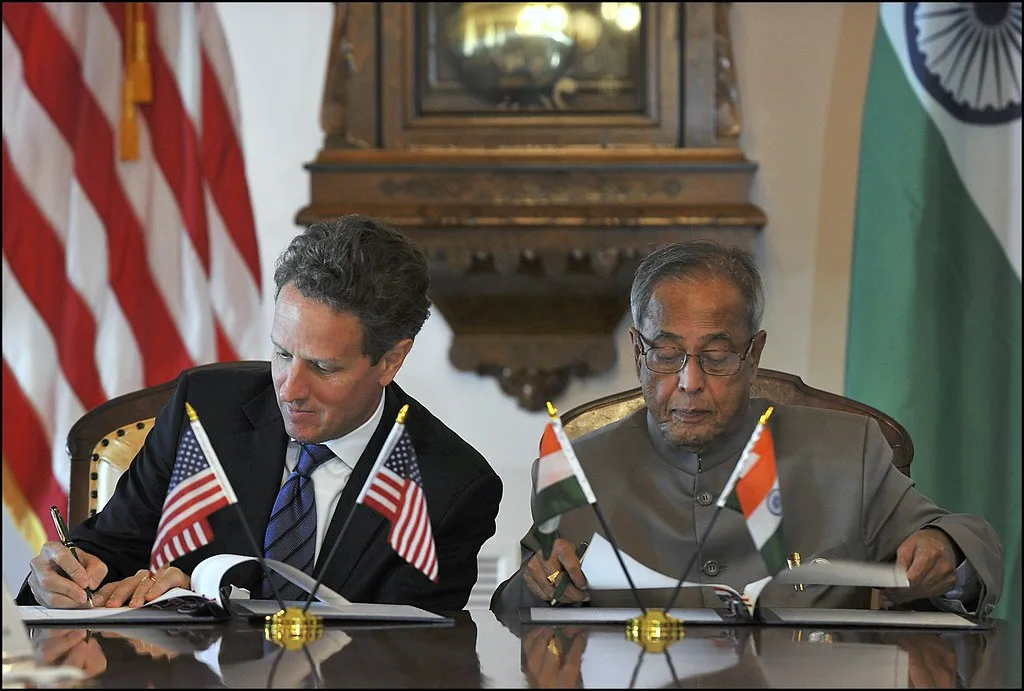
A high-level U.S. trade delegation is anticipated to visit India in the coming weeks, though specific dates remain unconfirmed by officials. The primary agenda for these crucial discussions will include ongoing Section 301 investigations, which carry the potential for new tariffs on a range of Indian goods, according to sources close to the negotiations. This visit underscores persistent trade friction and the strategic importance of the U.S.-India economic partnership.
Understanding Section 301 and Bilateral Trade Dynamics
The Section 301 provision of the U.S. Trade Act of 1974 empowers the U.S. Trade Representative (USTR) to investigate and take action against foreign countries’ unfair trade practices that burden or restrict U.S. commerce. These investigations can lead to retaliatory measures, including tariffs, aiming to compel trading partners to alter their policies.
U.S.-India trade relations have expanded significantly, with bilateral goods and services trade exceeding $190 billion in 2023, marking India as a critical economic partner for the United States. Despite this growth, points of contention frequently arise, particularly concerning market access, intellectual property rights, and digital services taxation.
Past trade disputes have included U.S. concerns over India’s import duties on agricultural products and medical devices, while India has sought greater access for its goods and services in the U.S. market. The current Section 301 probes highlight continued U.S. scrutiny over India’s trade policies, especially its approach to digital taxation and certain import restrictions.
Key Issues on the Negotiation Table
The upcoming visit is expected to address a multifaceted agenda. A central point of discussion will undoubtedly be India’s Equalisation Levy, a digital services tax that the U.S. views as discriminatory against American tech giants. The USTR initiated a Section 301 investigation into this levy, signaling potential tariffs if a resolution is not reached.
Beyond digital taxation, market access issues for American agricultural products, such as almonds and apples, and medical devices will likely feature prominently. U.S. industry groups have long advocated for reduced tariffs and non-tariff barriers in India, arguing that current policies impede fair competition.
Intellectual property rights protection also remains a persistent concern for the U.S. While India has made strides, U.S. pharmaceutical and entertainment industries often press for stronger enforcement and regulatory frameworks.
From India’s perspective, the talks present an opportunity to advocate for greater market access for its exports, particularly in textiles, pharmaceuticals, and IT services. India also seeks to attract more U.S. investment, aligning with its