



India is preparing for a sustained period of elevated fuel costs, including petrol, diesel, and LPG, as the government signals a strategic pivot to curb import dependence amidst escalating global crude oil prices, largely triggered by the ongoing West Asia conflict. Energy expert Taneja indicates that these geopolitical tensions are likely to translate into direct price increases for consumers, simultaneously slowing demand for overseas travel and accelerating the nation’s push towards domestic manufacturing and technological self-reliance.
Geopolitical Tensions Drive Oil Volatility
The recent intensification of conflict in West Asia has sent ripples across global energy markets, pushing crude oil benchmarks significantly higher. This volatility directly impacts major oil-importing nations like India, which relies heavily on international markets to meet its energy demands. India imports over 85% of its crude oil requirements, making its economy particularly vulnerable to price fluctuations.
Historically, surges in global oil prices have exerted considerable pressure on India’s trade deficit, foreign exchange reserves, and domestic inflation. The current scenario is no exception, prompting policymakers to reassess long-term energy strategies and immediate economic safeguards.
Rising Fuel Costs and Consumer Impact
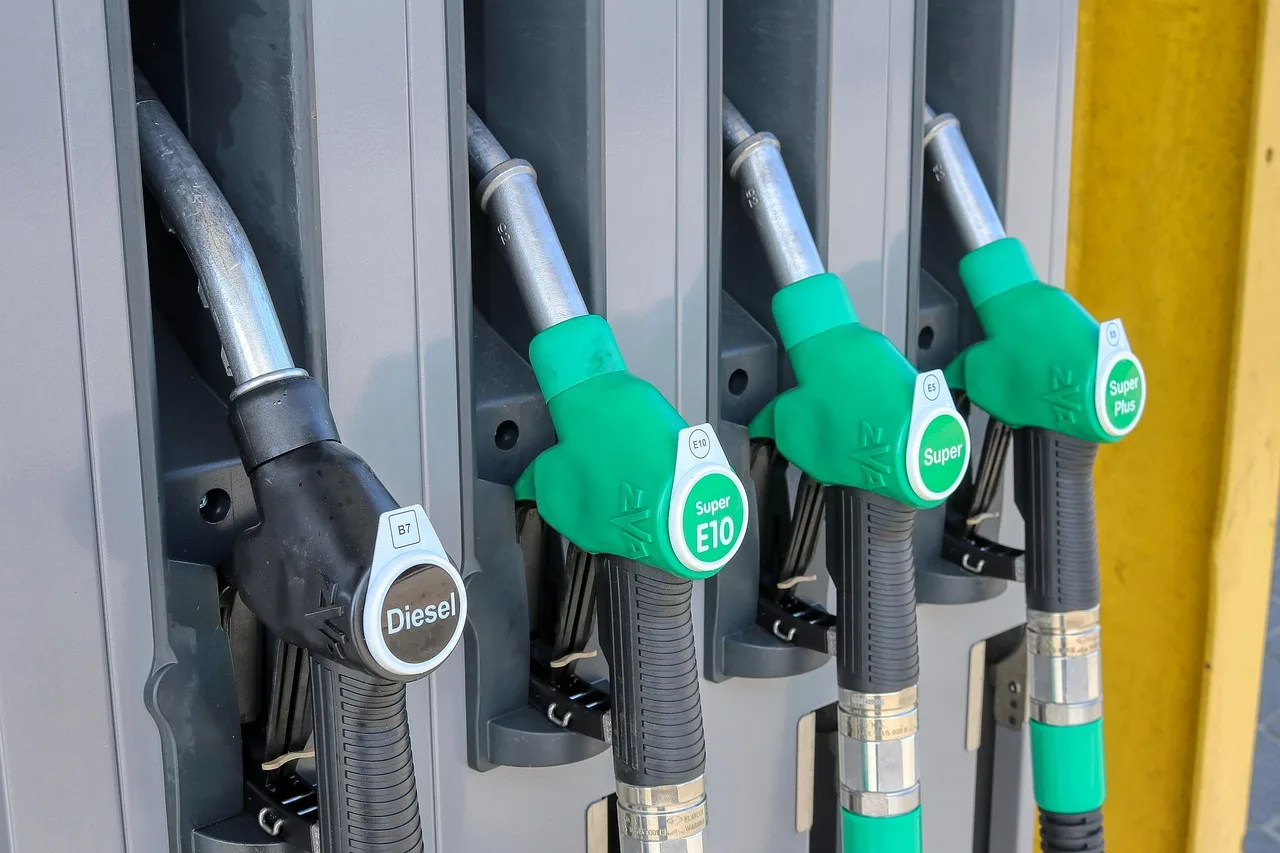
The immediate consequence for the average Indian consumer will be higher prices at the pump for petrol and diesel, alongside increased costs for cooking gas (LPG). These direct price hikes are expected to strain household budgets, particularly for lower and middle-income groups.
Beyond direct consumer spending, the ripple effect of expensive fuel extends to nearly every sector of the economy. Transportation costs for goods and services will inevitably rise, leading to inflationary pressures across the supply chain. Businesses, especially those reliant on logistics and manufacturing, face increased operational expenditures, potentially impacting production costs and profit margins.
Economic Headwinds and Travel Sector Strain
Economists predict that sustained high oil prices could temper India’s economic growth trajectory. The increased cost of imports exacerbates the current account deficit, while inflationary pressures may force the Reserve Bank of India to maintain a tighter monetary policy, potentially impacting credit availability and investment.
The travel and tourism sector, still recovering from recent global disruptions, is also bracing for a slowdown. Higher aviation turbine fuel (ATF) costs will likely translate into more expensive airfares, making international travel less accessible and reducing discretionary spending on vacations. This could shift consumer preference towards domestic tourism, though even local travel will face increased road transport costs.
Accelerated Push for Energy Self-Reliance
Amidst these challenges, the crisis is providing a strong impetus for India to accelerate its long-standing goals of energy independence and domestic manufacturing. The government’s emphasis on curbing import dependence is not merely a short-term response but a strategic acceleration of existing policies, aimed at insulating the economy from future global shocks.
This includes a renewed focus on expanding renewable energy capacity, such as solar and wind power, with ambitious targets to increase their share in the national energy mix. Significant investments in electric vehicle (EV) infrastructure, battery storage technologies, and manufacturing are also expected to see a substantial boost, aiming to drastically reduce petrol and diesel consumption in the long run. Furthermore, initiatives like the Production-Linked Incentive (PLI) schemes could be further leveraged to promote robust domestic production of critical components and finished goods across various sectors, thereby strengthening local supply chains and reducing overall import bills.
Expert Perspectives and Data Points
According to Taneja, the current geopolitical landscape makes a prolonged period of high oil prices highly probable, necessitating a proactive and multi-pronged approach from India. “The ongoing conflict in West Asia introduces an element of profound unpredictability that will keep global crude markets on edge for the foreseeable future,” Taneja stated, emphasizing the urgent need for India to develop robust domestic strategies to mitigate external vulnerabilities.
Energy analysts further highlight India’s unique and challenging position. “With a rapidly growing economy and an insatiable energy demand, India’s vulnerability to oil price shocks is considerable, impacting everything from industrial output to daily household expenses,” noted a recent report by the Institute for Energy Economics and Financial Analysis (IEEFA). Data from the Petroleum Planning & Analysis Cell (PPAC) starkly indicates India’s crude oil import bill soared to over $157 billion in FY23, underscoring the immense financial burden of persistent import dependency.
Economists from leading rating agencies suggest that every sustained $10 per barrel increase in crude oil prices could widen India’s current account deficit by approximately 0.5% of GDP and add 0.2-0.3 percentage points to retail inflation. These figures highlight the significant macroeconomic challenges that necessitate immediate and strategic policy responses to safeguard economic stability.
Looking ahead, India’s strategic response to this period of high oil prices will undoubtedly shape its economic and energy landscape for years to come. Consumers should anticipate continued vigilance on fuel prices and potentially adjust spending habits, exploring public transport or more fuel-efficient options. Industries, in turn, will be compelled to innovate, focusing intensely on energy efficiency across operations, localizing supply chains, and accelerating the adoption of alternative energy sources to remain competitive.
This crisis could ultimately serve as a powerful catalyst for a faster and more decisive transition towards a green economy, significantly bolstering domestic manufacturing capabilities in burgeoning sectors like solar panels, advanced battery storage systems, and electric vehicles. Policymakers are expected to explore a dynamic mix of fiscal measures, diplomatic efforts aimed at stabilizing global oil markets, and greatly accelerated investments in indigenous energy solutions. The coming months will be crucial in observing how India deftly navigates these economic headwinds and strategically leverages them to foster greater self-reliance and long-term energy security.