



Prime Minister Narendra Modi’s recent appeal to Indian citizens to significantly reduce fuel consumption, coupled with ongoing global energy supply disruptions stemming from the West Asia conflict, has ignited fresh speculation across India regarding potential hikes in petrol and diesel prices. This comes as state-run oil marketing companies (OMCs) reportedly face mounting pressure from elevated crude oil costs, prompting high-level discussions within the government and a renewed focus from industry leaders on accelerating the nation’s green energy transition.
Global Volatility and Domestic Pressure
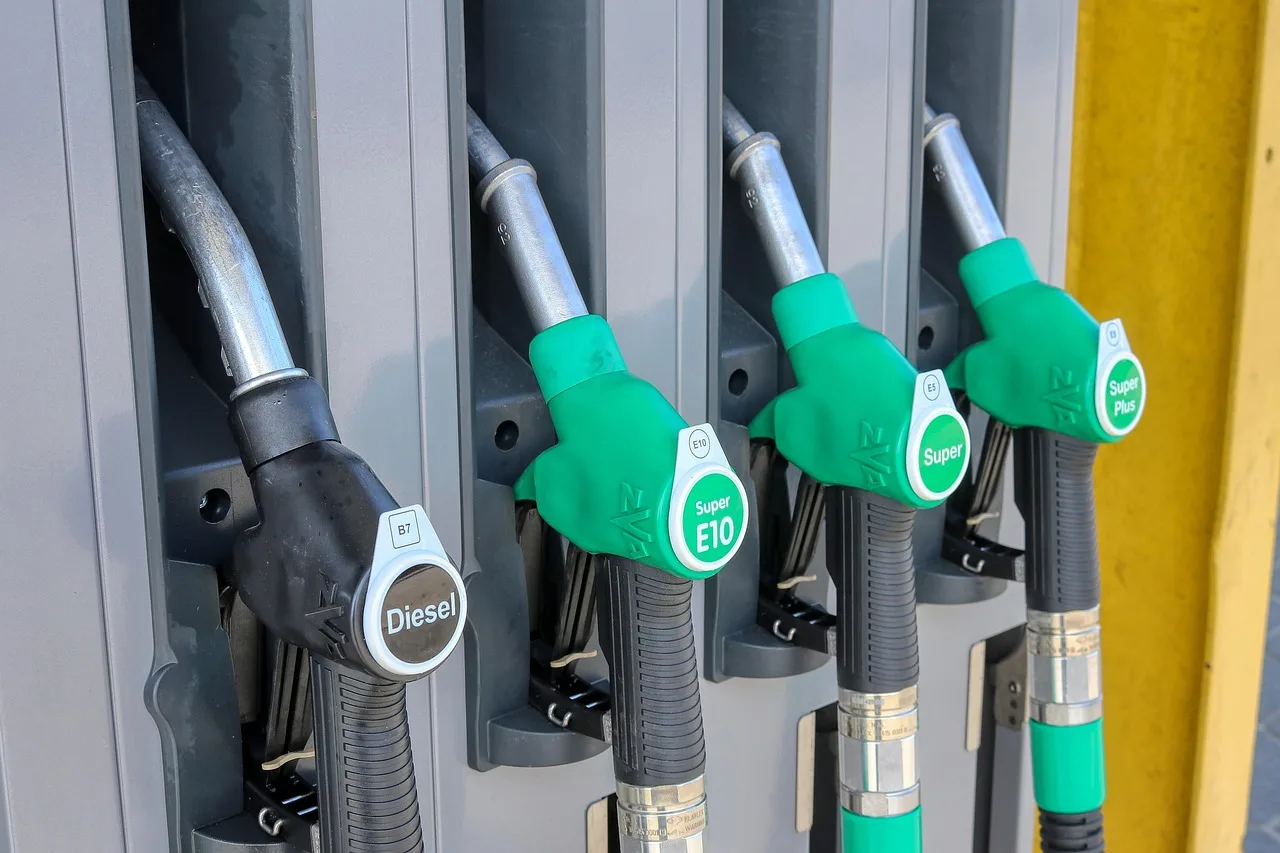
The global crude oil market remains highly volatile, primarily driven by escalating tensions in West Asia and significant disruptions to vital shipping routes. Despite this international instability, petrol and diesel prices across major Indian cities, including New Delhi, Mumbai, and Bengaluru, remained unchanged as of May 11.
However, government sources have indicated that state-run oil marketing companies (OMCs) are experiencing substantial pressure from these elevated global crude prices. This has led to significant under-recoveries on fuel sales, creating a financial strain on these entities.
The situation has reportedly prompted high-level discussions within the Indian government. The Finance Ministry, the Petroleum and Natural Gas Ministry, and the OMCs are actively assessing the situation and exploring potential policy responses to mitigate the impact of rising international crude rates.
Government’s Call for Conservation
Prime Minister Narendra Modi has directly urged citizens to adopt more judicious fuel consumption habits. His appeal includes prioritizing public transportation, especially in cities with metro connectivity, and encouraging carpooling over single-occupancy vehicle use.
Furthermore, the Prime Minister advocated for a resurgence of practices like work from home, video conferencing, and online meetings to reduce travel. He also advised against non-essential overseas travel, such as destination weddings and foreign vacations, for at least a year, stressing the critical need to conserve foreign exchange amidst the current crisis.
Modi underscored that patriotism extends beyond sacrifice, encompassing the duty to live for and fulfill responsibilities to the nation, particularly in times of supply chain disruptions. He emphasized the collective fight required when global supply chains are in crisis.
Mounting Pressure on Fuel Retailers
The financial strain on state-run oil marketing companies (OMCs) is becoming increasingly evident. According to Swarnendu Bhushan, a research analyst at PL Capital, OMCs are currently incurring significant losses.
Estimates suggest losses of Rs 14 per litre on diesel and Rs 11 per litre on petrol in terms of gross marketing margins. Additionally, the lack of an increase in domestic LPG prices means OMCs are losing approximately Rs 400 per cylinder.
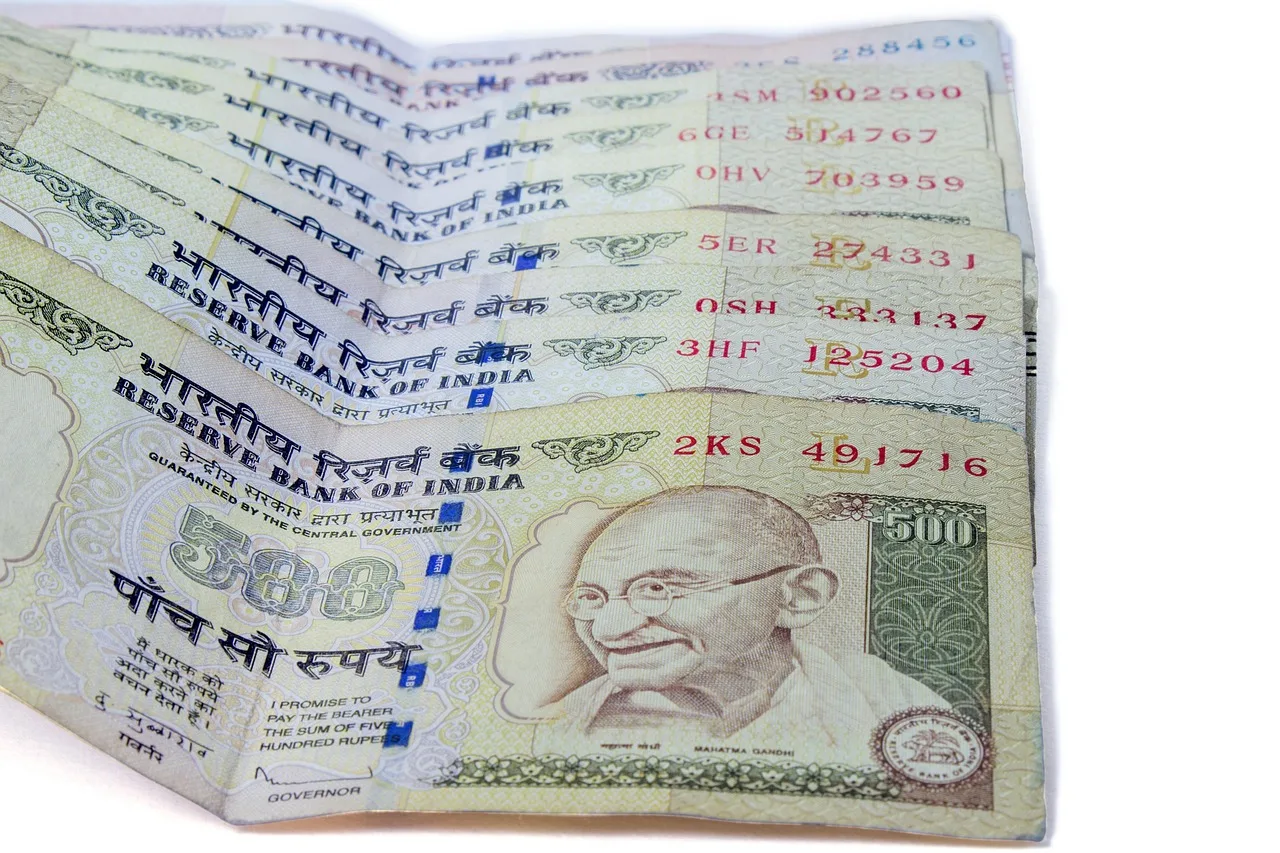
Bhushan highlighted the worsening situation due to the uncertainty surrounding the normalization of the Middle East conflict. He noted that while other nations, including China, have already implemented measures like fuel price increases or demand-side restrictions, India has yet to do so.
However, given the mounting losses, a hike of up to Rs 5 per litre in fuel prices is not being ruled out in the coming days, signaling potential adjustments if global conditions persist.
Industry Leaders Champion Green Transition
Beyond immediate price concerns, prominent Indian industry figures are emphasizing a long-term strategic shift towards energy independence and sustainability. Sunil Mittal articulated India’s impressive resilience despite global challenges, underscoring the pressure exerted by the West Asian crisis on global economies.
He advocated for reducing energy costs, transitioning towards renewables, and doubling down on domestic investments, while also urging a decreased reliance on gold imports. Gautam Adani presented a vision of a “fractured” global landscape, asserting that India will forge its own unique path, distinct from American or Chinese models.
Adani projected India’s achievement of 2000 GW of renewable installed capacity by 2047, highlighting the nation’s ambitious green energy targets. Sanjay Mookim of JP Morgan highlighted the direct economic impact, noting that every $10 increase in oil prices exacerbates India’s Current Account Deficit (CAD), reinforcing the imperative to preserve foreign exchange reserves and mitigate outflows.
Lalit, Co-founder of Tsuyo, interpreted PM Modi’s statements as preparing India for a “new normal” characterized by elevated energy prices and routine supply disruptions. He posited that the structural solution lies in weaning India off imported fuel, with Electric Vehicles (EVs) offering a triple benefit: reduced monthly costs for consumers, a lower national crude import bill, and a shrunken current account deficit.
Lalit concluded that while the options exist today, what is needed is a greater sense of urgency to transition away from fossil fuel dependency.
Forward Outlook: Balancing Immediate Needs with Long-Term Vision
The unfolding scenario presents a critical juncture for India’s energy policy and economic stability. Observers will closely monitor global crude oil price movements and the geopolitical developments in West Asia, which remain primary determinants of domestic fuel pricing.
Any decision on fuel price adjustments will represent a delicate balancing act for the government, weighing the financial health of state-run oil marketing companies against the potential inflationary impact on consumers and the broader economy. Crucially, the discourse has undeniably shifted towards accelerating India’s green energy transition, with a heightened focus on renewable energy adoption and the widespread deployment of electric vehicles.
This strategic pivot, championed by both political leadership and industry titans, is seen as the foundational solution to bolster India’s long-term energy security and insulate its economy from volatile global energy markets. The coming months will reveal the concrete policy measures taken to navigate these immediate challenges while simultaneously laying the groundwork for a more sustainable and self-reliant energy future.