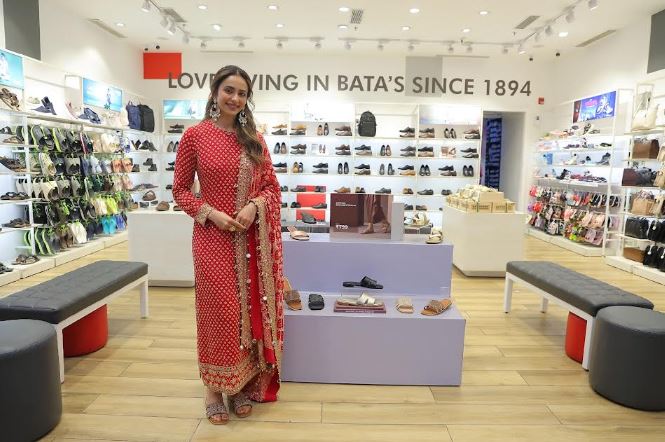

Bata India, India’s most trusted footwear brand, has unveiled their new campaign ‘Comfort, but make it festive’ with Rakul Preet Singh for the festive period. The 360-degree campaign brings comfort to the center of occasion dressing through an ad film, digital engagement and on-ground experiences, alongside festive footwear that reflects the brand’s evolving, contemporary design direction.
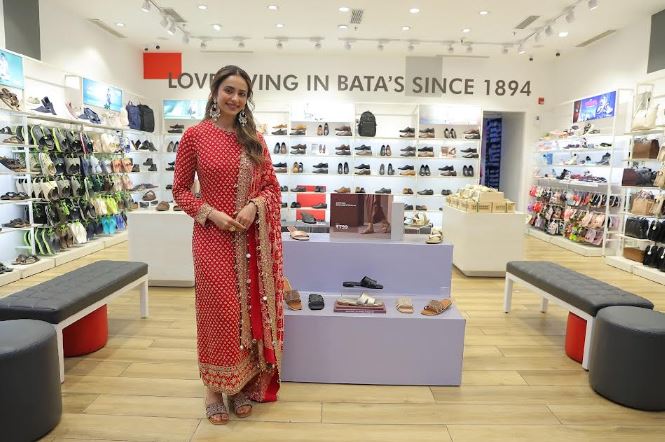 |
Rakul Preet Singh at the Bata store in Vegas Mall, Dwarka, New Delhi
The campaign finds a relatable connection in Rakul’s own experience. Having spoken about stepping away from heels while recovering from a back injury, the actor brings a personal perspective to making comfort a priority in footwear choices. Her preference for flats connects with the campaign’s central thought: comfort is an essential part of feeling dressed and ready for every celebration.
Rakul Preet Singh said, “Bata’s festive collection brings a fresh, contemporary feel to the comfort I’ve always associated with the brand. The detailing makes the flats feel special, and the extra cushioning matters to me now that I’m more mindful of my footwear choices. It’s exciting to see how Bata is evolving and bringing in styles that are of the moment. That’s what celebrating festivals means to me: feeling dressed for the occasion and completely at ease.”
Extending the campaign beyond digital engagement, Bata India partnered with Vegas Mall, Delhi, to host a special Dandiya Night on 18th October, bringing ‘Comfort, but make it festive’ to life through an on-ground consumer experience. The event witnessed over 6,000 footsteps, reflecting strong participation and adding to the festive spirit of the celebration. By taking the campaign directly to consumers, Bata created an opportunity to connect its message of combining style with comfort to the energy of festive celebrations, reinforcing the role of comfortable footwear in enjoying every moment of the season.
Commenting on the campaign, Jasleen Kaur, Head of Marketing, Bata India said, “Our festive campaign builds on a simple consumer insight: people want to feel dressed for the occasion and comfortable enough to enjoy it. With ‘Comfort, but make it festive’, we bring that thought to life through contemporary designs that combine festive style with comfort. Rakul’s personal experience and her approach to footwear make her a relatable voice for this message. Through the campaign and our consumer experiences, we invite people to discover how Bata is evolving its styles while keeping comfort at the heart of the brand.”
The campaign extends beyond the film through a social media contest inviting consumers to tag a friend who would pick comfy flats over heels, for a chance to win exclusive Bata hampers. The festive collection is available across Bata stores, the Bata app and leading e-commerce platforms. Across every occasion, Bata’s message remains simple: comfort comes first, and it can look festive too.
Link to the film: www.youtube.com/watch?v=WP_wOkkX8mw
About Bata India
For close to a century, Bata India has been a symbol of trust and quality for Indian consumers, serving over 250,000 customers every day. Throughout this journey, Bata has continuously evolved to cater to the diverse needs and preferences of its customers to become the largest footwear retailer and manufacturer in the country. Its expansive retail network consists of 2,000+ stores, supported by thousands of Multi Brand Outlets and a robust omni-channel presence across D2C and marketplaces.
Bata India sells close to 50 million pairs annually. Bata India is on a mission to make global trends and premium fashion accessible to all consumers through its extensive retail network. It is redefining the intersection of fashion and comfort through brands including Bata Red Label, Bata Comfit, Power, NorthStar, Floatz, Bubblegummers and Hush Puppies among others.