





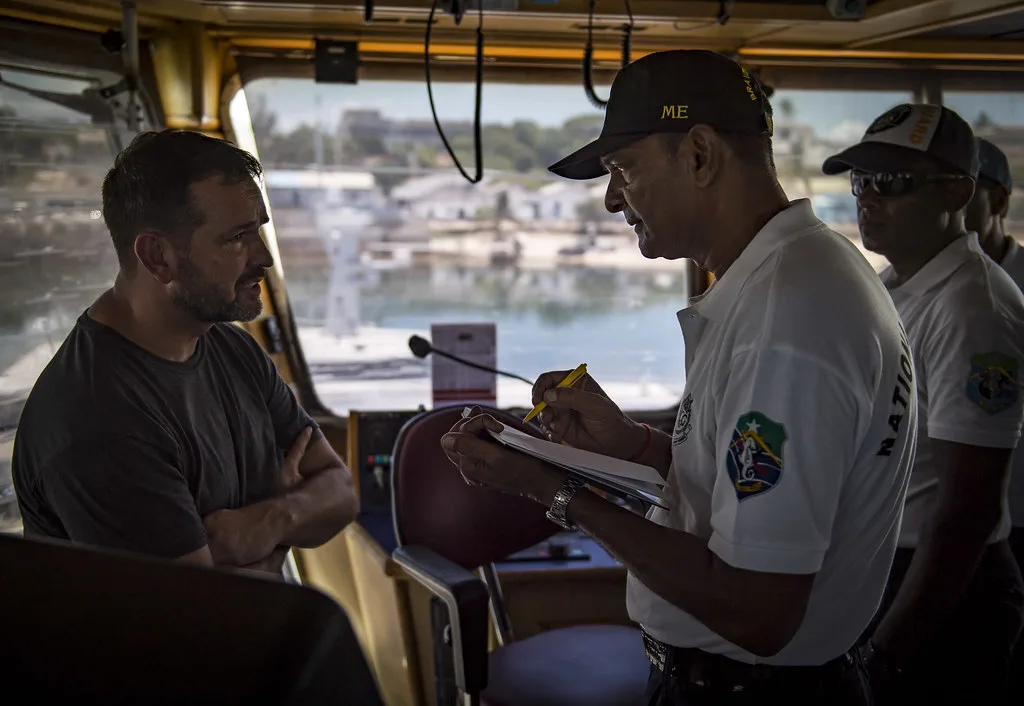
The Indian Coast Guard (ICG) officially commissioned the Fast Patrol Vessel (FPV) ‘Achal’ into service this week, marking a significant expansion of India’s maritime surveillance capabilities. The vessel, which is now stationed at Vadinar in Gujarat, will operate under the direct administrative and operational control of the Commander, Coast Guard Region (North West) to bolster security along the nation’s strategic western coastline.
Strategic Maritime Context
The addition of the ‘Achal’ comes at a time of heightened focus on maritime safety and border security in the Arabian Sea. As India continues to expand its blue economy, the protection of offshore assets and the prevention of illicit activities—such as smuggling and illegal migration—have become primary security objectives for the ICG.
The Gujarat coastline, characterized by its long expanse and proximity to busy international shipping lanes, requires constant monitoring. By deploying specialized patrol vessels to stations like Vadinar, the Coast Guard creates a more responsive and agile defense network capable of rapid intervention.
Capabilities and Operational Role
Fast Patrol Vessels are designed specifically for high-speed interception and coastal patrolling. These ships are equipped with advanced radar and communication systems that allow them to coordinate effectively with other regional assets, providing a comprehensive maritime domain awareness picture.
The ‘Achal’ is built to withstand diverse weather conditions, ensuring that patrols remain consistent throughout the year. Its primary duties include search and rescue operations, maritime law enforcement, and the protection of critical infrastructure, such as oil terminals and offshore platforms located off the coast of Gujarat.
Expert Perspectives on Coastal Defense
Maritime security analysts note that the integration of new, high-speed vessels is essential for modernizing the ICG fleet. According to recent defense sector reports, the government has prioritized the indigenization of naval assets to reduce reliance on imports and improve supply chain stability for spare parts and maintenance.
Data from the Ministry of Defence indicates that the ICG has been steadily increasing its fleet strength to meet the growing demands of India’s 7,516-kilometer coastline. With the Indian Ocean becoming a central theater for global trade, the ability to project power and maintain order within territorial waters is a vital component of national security policy.
Industry and Security Implications
For the local maritime industry, the presence of the ‘Achal’ signals a commitment to safe navigation and secure commerce. Enhanced patrolling reduces the risk of maritime incidents and provides a deterrent against non-state actors operating in the region.
Looking ahead, stakeholders should watch for further technological upgrades across the ICG fleet, including the integration of unmanned aerial vehicles (UAVs) to work in tandem with FPVs. As the Coast Guard continues its modernization drive, the focus is expected to shift toward greater interoperability between ship-based sensors and satellite-based monitoring systems, potentially creating a more seamless surveillance umbrella over the entire western seaboard.