




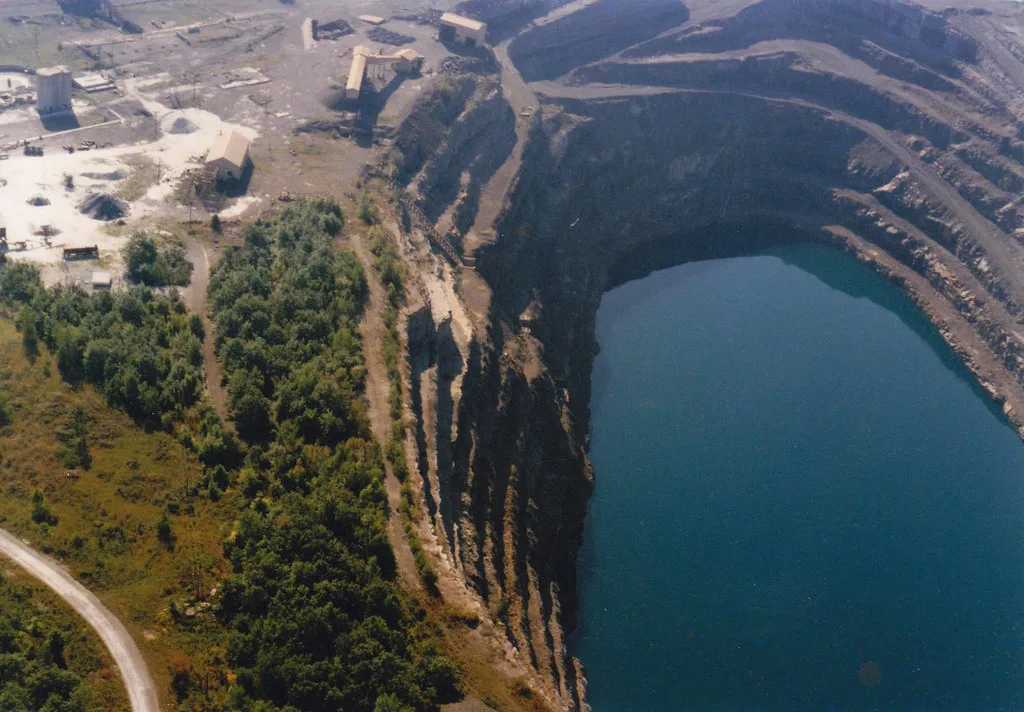
Vedanta Limited, one of India’s largest natural resources conglomerates, issued a formal directive this week urging the Indian government and private sector to drastically accelerate domestic resource production to mitigate risks from global supply chain disruptions. The call to action follows mounting geopolitical tensions in West Asia, specifically threatening the stability of the Strait of Hormuz, a critical maritime chokepoint that facilitates a significant portion of the world’s daily oil and commodity transit.
The Context of Global Supply Sensitivity
The global commodities market has entered a period of heightened sensitivity as conflict in West Asia persists. Because the Strait of Hormuz serves as the primary artery for energy exports from the Persian Gulf, any escalation in the region risks causing immediate, sharp volatility in global energy prices and raw material availability.
For an import-dependent economy like India, these supply chain vulnerabilities are not merely theoretical risks but direct threats to industrial output. Historically, India relies heavily on foreign sources for essential minerals, crude oil, and natural gas, leaving its manufacturing sector exposed to external price shocks and logistical bottlenecks.
Strategic Autonomy and Industrial Scaling
Vedanta’s push for increased domestic output focuses on the concept of ‘Atmanirbhar Bharat,’ or a self-reliant India. The company argues that by scaling up the exploration and extraction of domestic iron ore, copper, aluminum, and oil, India can insulate its growing manufacturing sector from the whims of international maritime trade routes.
Data from the Ministry of Mines indicates that while India possesses vast mineral wealth, the utilization rate remains significantly lower than global benchmarks. Bureaucratic hurdles, complex land acquisition processes, and environmental clearances have traditionally stifled the pace of mining operations. Vedanta suggests that streamlining these regulatory frameworks is essential to meeting the production targets required to sustain India’s GDP growth.
Expert Perspectives on Resource Security
Industry analysts emphasize that resource security is now synonymous with national security. According to a recent report by the International Energy Agency (IEA), countries that prioritize domestic supply chain resilience are better positioned to weather the transition to clean energy and the digital economy.
Economists point out that increasing domestic production also creates a hedge against currency depreciation. When a nation imports the majority of its energy and raw materials, a weakening rupee exacerbates the cost of production, leading to imported inflation that ripples through the entire supply chain.
Implications for the Industrial Landscape
For the broader Indian industry, a pivot toward domestic resources would necessitate massive capital expenditure in infrastructure and technology. Companies will likely need to invest in advanced extraction techniques to access deeper or lower-grade deposits that were previously deemed commercially unviable.
Investors should watch for upcoming policy announcements from the Ministry of Mines and the Ministry of Petroleum and Natural Gas regarding the streamlining of auction processes. If the government aligns with industry demands for faster clearing times, the resulting surge in mining activity could provide a robust tailwind for domestic industrial stocks and infrastructure development firms over the next decade.
Looking ahead, the focus will shift toward how India balances its aggressive production goals with environmental sustainability mandates. The industry must navigate the delicate trade-off between securing national resources and meeting net-zero carbon commitments, a challenge that will define the regulatory landscape in the coming years.